Three Former Presidents of the Mexican Republic in the National Conversation
This article by Anahí Del Ángel originally appeared in the October 2, 2026 edition of Contralínea, a Mexican investigative journalism magazine.
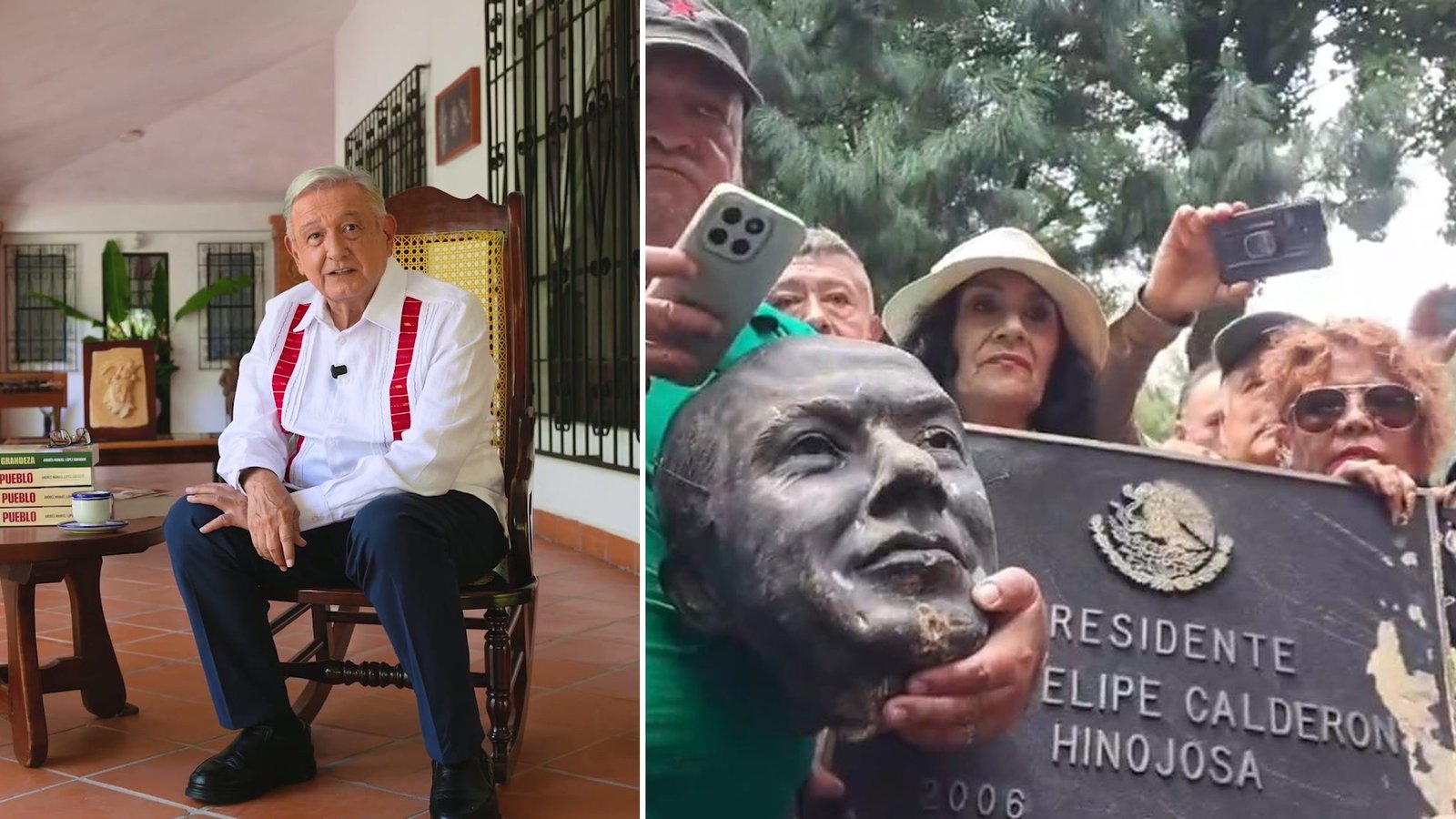
On September 30, former President Andrés Manuel López Obrador reappeared in a video message to present his book Pueblo, and took the opportunity to criticize neoliberalism and its main executors in Mexico, as well as to warn that Fobaproa will not be fully paid off until 2055. That same day, the PAN former presidents Felipe Calderón and Vicente Fox took part in the América Libre Forum, where they vindicated their right-wing campaign; in response, President Claudia Sheinbaum Pardo defended the full force of freedoms in Mexico, rejected Calderón’s claims of supposed links between Morena and drug trafficking, and highlighted the political presence that AMLO maintains.
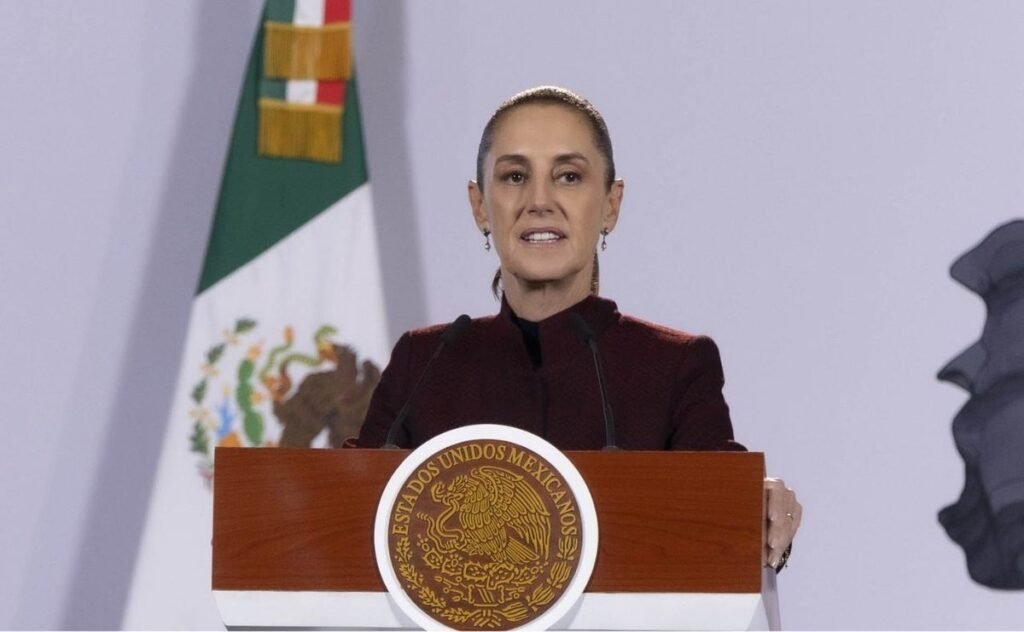
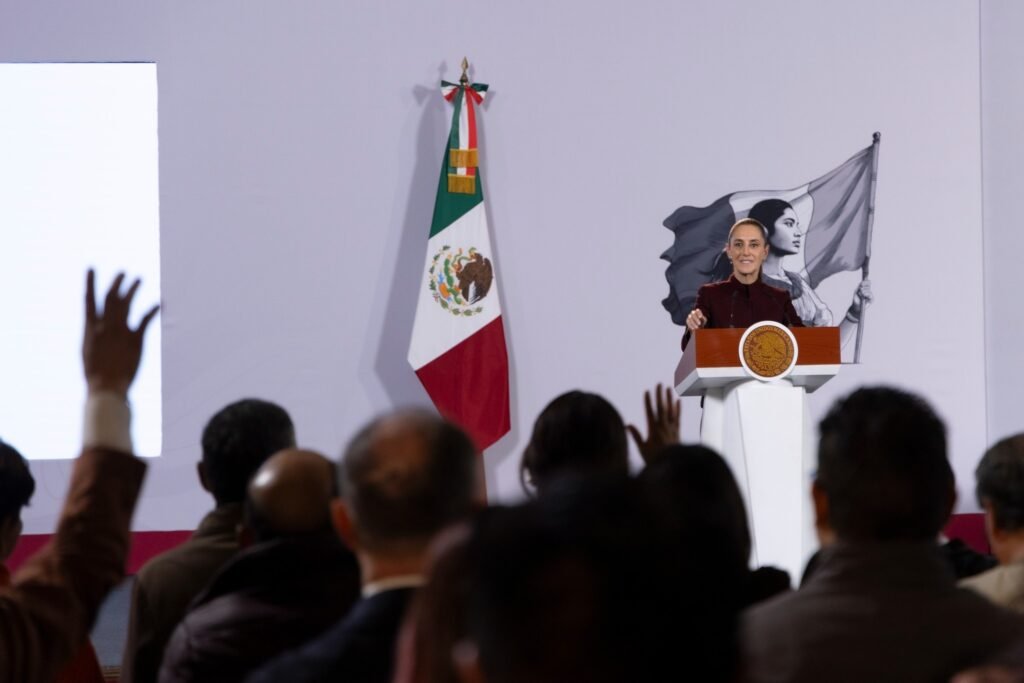
The public reappearance of former President Andrés Manuel López Obrador to present his book Pueblo led President Claudia Sheinbaum to reflect on the “obsession” that the media maintain with the former president, even though he left the Presidency on September 30, 2024. She asserted that the millions spent to discredit the leader of the Fourth Transformation do not and will not have the expected effects on the population: “I am certain that López Obrador is in the heart of the people of Mexico and he will never leave it because he was a great leader and a great president; 50 years dedicated to politics without failing the people, nobody forgets that.”
In his message, López Obrador questioned the conventional media –radio, press and television– which, he said, ran campaigns against him for years. He defined them as media of “manipulation” at the service of “the richest men in the world” and maintained that they are now moving their strategies to the digital environment.
He stated that behind their journalists are the “machuchones” or economic potentates, who use those platforms not only to inform, but also to blackmail the “corrupt politician” and force him to “submit and pay for impunity.”
As an example, he mentioned public spending on official advertising: 80 billion pesos that, he said, the government of Enrique Peña Nieto handed out. He added that during his term he reduced those resources, which, in his view, provoked the anger of this sector.
For her part, Sheinbaum questioned that Felipe Calderón spoke about democracy during his participation in the América Libre forum. She recalled the irregularities denounced around the July 2, 2006 presidential election, whose official result gave the victory to the PAN politician by a margin of 0.56 percentage points over López Obrador:
Doesn’t it seem symptomatic to you, at least? I mean, you come to power through electoral fraud and then you talk about democracy.
President Claudia Sheinbaum
She also referred to the conditions for practicing journalism during Calderón’s six-year term and asserted that there were agreements with media owners to limit the dissemination of information: “You devoted yourself, among other things, to making pacts with the owners of the media to prevent the truth from being told back then, and you talk about freedom of expression.”
Although the head of the federal Executive did not identify a specific pact, in March 2011, 715 media outlets, among them Televisa and TV Azteca, signed the Agreement for the News Coverage of Violence, which established criteria for reporting on criminal violence.
In that period, the use of official advertising as a mechanism of pressure against critical media was also documented. In August 2010, the then United Nations Special Rapporteur on Freedom of Opinion and Expression, Frank La Rue, carried out a joint mission in Mexico with the Special Rapporteurship for Freedom of Expression of the Inter-American Commission on Human Rights (IACHR), during which the conditions of violence and impunity faced by the press were examined.
The report resulting from that visit was later presented to the United Nations Human Rights Council and, based on figures from the National Human Rights Commission (CNDH), recorded the murders of 66 journalists between 2000 and December 2010 and the disappearances of another 12 between 2005 and 2010, in a context of widespread impunity. The document also addressed the judicial harassment and the withdrawal of official advertising from media for the independent exercise of their journalistic work.
The President also rejected the PAN former president’s claims about a supposed link between the Morena government and drug trafficking groups. During Calderón’s administration, the Secretariat of Public Security was headed by Genaro García Luna, against whom a guilty verdict was issued on February 21, 2023 by a jury in a federal court in New York, for crimes related to his collaboration with the “Sinaloa Cartel” and for false statements.
The former official was found guilty on five counts: four related to drug trafficking and one for false statements. On October 16, 2024, he was sentenced to 38 years and four months in prison. In response to Calderón’s accusations, Sheinbaum said: “It is truly unbelievable, I mean, how is he not ashamed? Honestly, the bare minimum of shame.”
Referring to the forum that brought together representatives of the Mexican and international right, the President considered that the opposition parties are once again turning to the former presidents “because they do not have political cadres who can defend positions.”
About Vicente Fox, she stated: “They have Fox, traitor to democracy, because during his term –and besides, we already know how he got there, with a pact in the United States with [Ernesto] Zedillo– he promoted the desafuero and the electoral fraud. And now he is the one going around the country, and Calderón. I mean, they are the ones running the campaign. I say, let them keep at it, honestly, go ahead, welcome.”
Sheinbaum linked these appearances to the building of an opposition alliance heading into the 2027 elections and maintained that the former presidents have resumed an active role in the political discussion. She noted that two parties had ruled out forming an electoral coalition again, but that now “they are promoting the alliance of the two parties because if you look at the polls, they are not doing very well, to put it mildly.”
In contrast, she considered that López Obrador’s video shows that he retains political presence, even though he no longer holds public office. On the reactions to his intervention, she said: “The hatred just pours out of their pancreas, they are going to get sick […] but it is an interesting moment.”
The President also responded to the words of her predecessor, who called her “the best president in the world,” and described the message as “very emotional.”
Finally, she rejected the protest carried out at Los Pinos during Calderón’s visit, in which former workers of the defunct Luz y Fuerza del Centro decapitated the statue of the PAN politician. The piece had been lying on the ground for just over a year, after a tree knocked it down.
-
Morena Leader Accuses Chihuahua Governor of Slandering Her: She Represents “Corruption, Privilege, and Disloyalty”
She said Mexico deserves to know who authorized CIA agents’ role in a Chihuahua operation, after Campos linked her to drug trafficking in an interview.
-
Maru Campos Assured Me Jáuregui Was Corrupt and a Casino Owner, Sheinbaum Says
Asked who let foreign agents into the Chihuahua operation, Campos told her “it wasn’t me, it was the prosecutor,” in a tense meeting in Ciudad Juárez.
-
People’s Mañanera October 23
President Sheinbaum’s daily press conference, with comments on medicine supply, health equipment and staff, perceived insecurity, and sovereignty.