Tita Radilla: More Disappearances Today Than During Mexico’s Dirty War
This article by Lilian Hernández Osorio originally appeared in the March 10, 2026 edition of La Jornada, Mexico’s premier left wing daily newspaper.
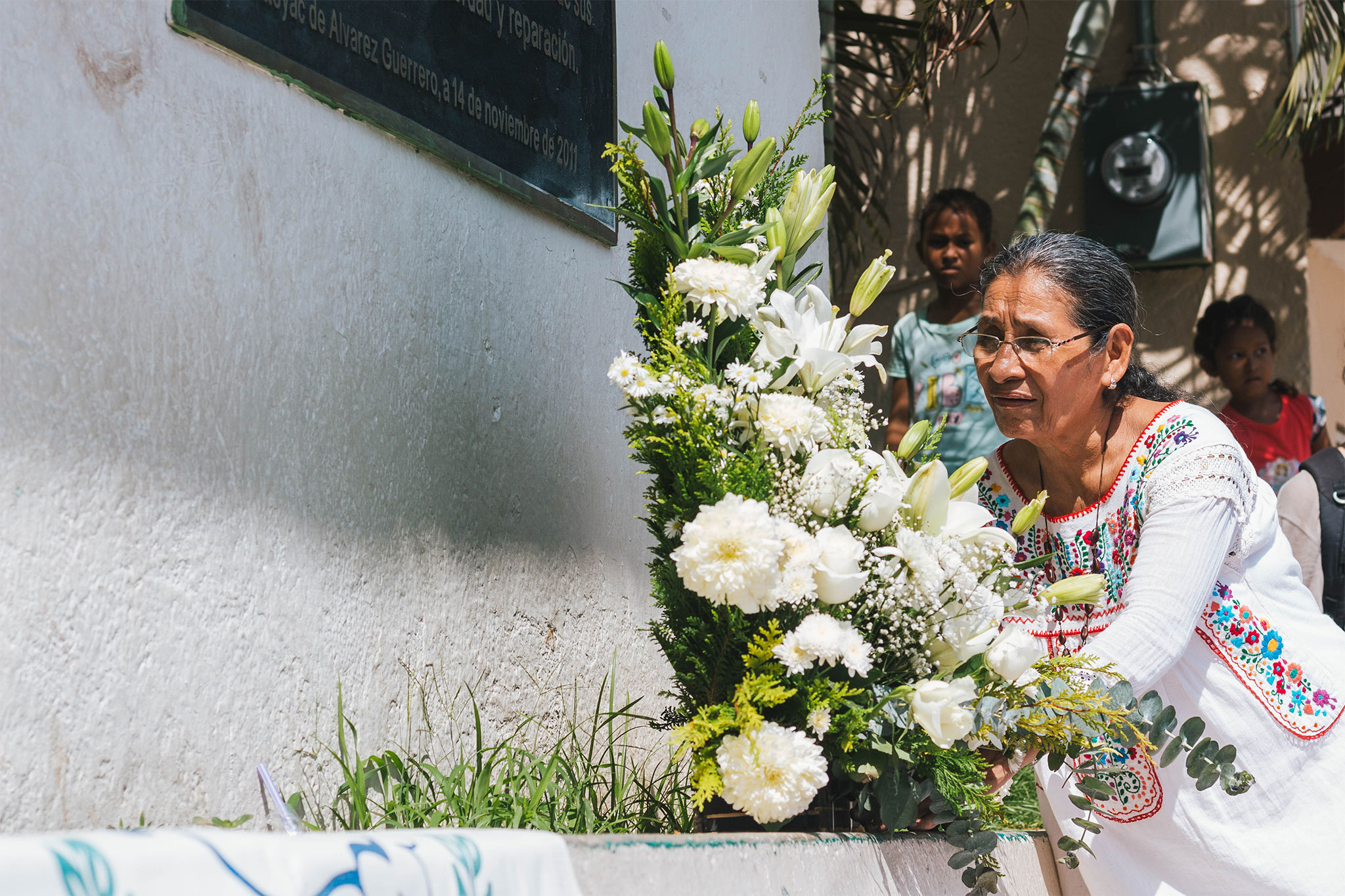
The crisis of enforced disappearances and the support for affected families is “extremely serious. The country is bleeding, it is falling apart,” because impunity persists and authorities at all three levels of government downplay what happens daily, lamented activist Tita Radilla, who has fought for justice for victims of enforced disappearance and their families.
“It is very sad that nothing has been able to stop this situation,” she added, after stating that, instead of decreasing, there are more disappearances than 50 years ago, when she began searching for his father Rosendo Radilla, a social leader who disappeared during the so-called Dirty War.
During a tribute to Tita Radilla, organized at the Metropolitan Autonomous University (UAM), Iztapalapa, the vice president of the Association of Relatives of the Detained-Disappeared and Victims of Human Rights Violations lamented that the situation in the country has worsened.

Academics and searchers joined in, highlighting the activism led by Rosendo Radilla’s daughter and the courage she has given them to not give up.
They criticized the fact that finding clandestine graves is becoming more and more common and that it is no longer considered an “outrage,” because the population is normalizing a tragic situation, without reflecting that it is not a number, but lives.
Days after the recent disappearance and femicide of two students from the Autonomous University of the State of Morelos, Margarita del Carmen Zárate Vidal, a professor specializing in forced displacement issues at the UAM, recalled the events for which Rosendo Radilla was detained more than 50 years ago when he was traveling by bus from Chilpancingo to Atoyac, in Guerrero, and after that nothing is known of his whereabouts.
Following his disappearance, the teacher Zárate recalled that her daughter Tita Radilla dedicated herself to searching for him and, after more than five decades without knowing for sure what happened to her father, she has become a human rights advocate, in addition to leading different movements such as marches, hunger strikes and complaints.
Therefore, she considered that “for Tita it has been a constant struggle and resistance,” who stopped seeing her father because of the cries for justice and because he was considered a threat to the government.
-
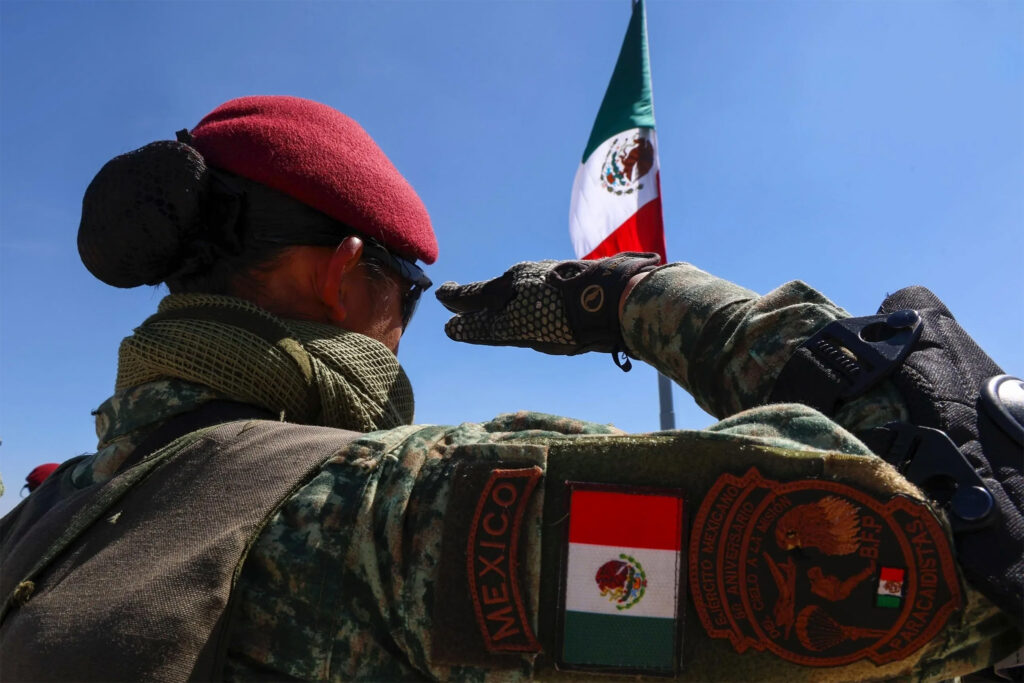
Mexico Requires a Deterrence Strategy
Mexico should continue to work at maintaining a positive relationship with our closest neighbor and number one trading partner. But acting like Trump isn’t capable of unilateral military action against us is foolish.
-
People’s Mañanera April 1
President Sheinbaum’s daily press conference, with comments on energy sovereignty, Tamaulipas housing, World Cup 2026, and the Gulf of Mexico oil spill.
-
The Hidden Connections Between the Ukrainian Military & Drug Cartels
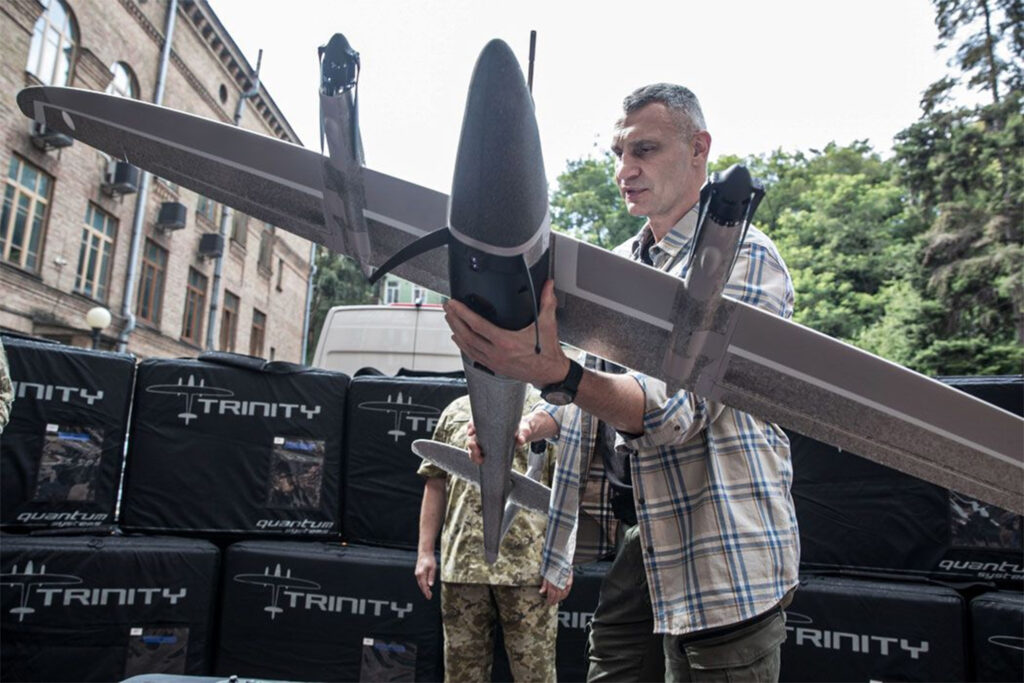
It is difficult to believe that European intelligence services, which rigorously monitor arms trafficking, would ignore the flow of weapons & drones into the Americas.