Ultra-right “Masculinity” Congress in Guadalajara
This article by Isaura López originally appeared in the April 5, 2026 edition of El Occidental.
Editor’s note: The Congress will be held at the Santuario de los Mártires de Cristo Rey, a monument in Jalisco commemorating the Cristeros, a group of ultra-right wing, counter-revolutionary terrorists from the 1920s who carried out acts of violence against the secularization of Mexico in order to return control of Mexican society to the Catholic Church. A particular niche of the US fascist right also exalts the Cristeros.
From April 17 to 19, the Sanctuary of the Martyrs will host the so-called “Fearless Congress 2026”, an event that raises questions about its ideological focus; in addition to being sponsored by the Government of Jalisco and the municipalities of Guadalajara and Zapopan.
With tickets ranging from two thousand to almost five thousand pesos and an expected attendance of over 10,000 people, the so-called Fearless Congress 2026 is promoted as “the largest masculinity congress in Latin America.”
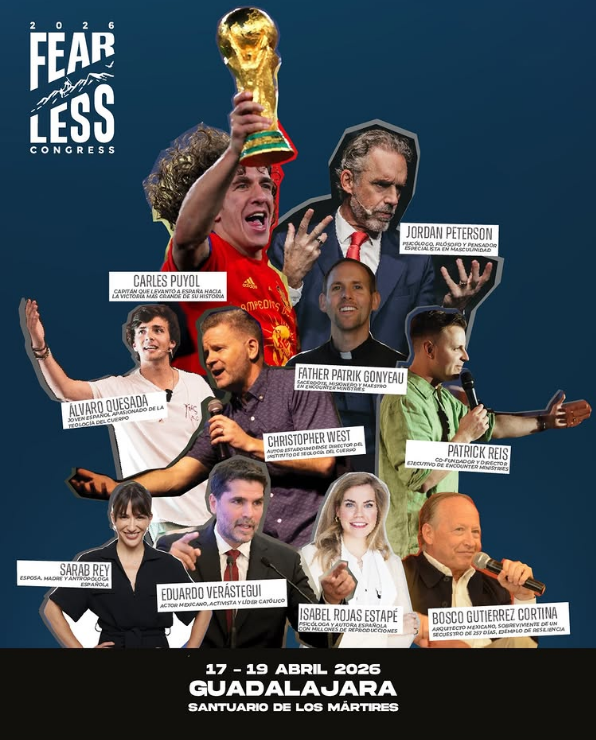
The event will take place from April 17 to 19 at the Sanctuary of the Mexican Martyrs and will bring together international speakers from the fields of psychology, sports, religion and conservatism.
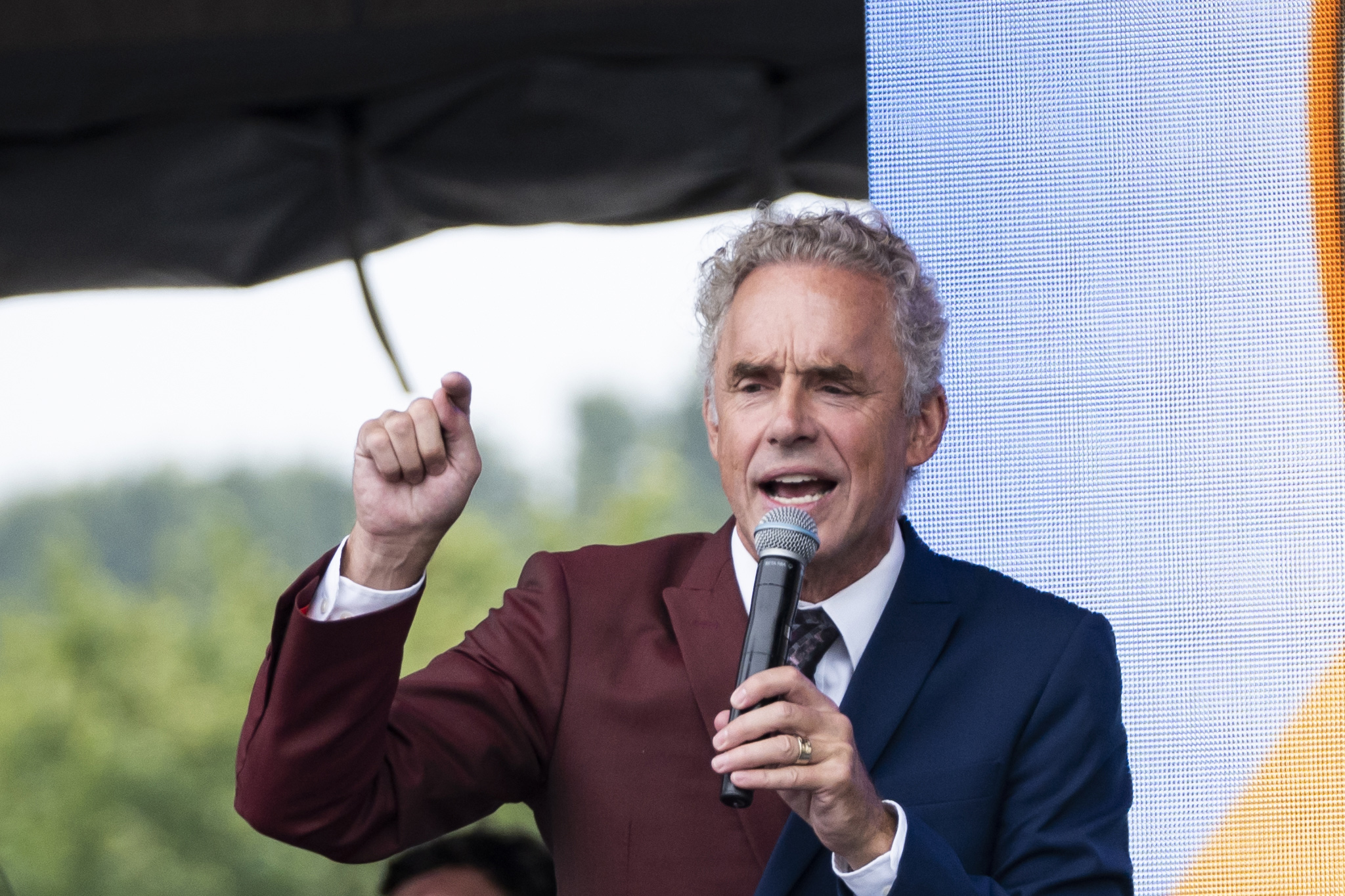
Among the speakers are the Spanish psychologist Isabel Rojas Estapé, the former footballer Carles Puyol , the Canadian psychologist Jordan Peterson, the Catholic popularizer Christopher West and the Mexican actor and activist Eduardo Verástegui.
According to its digital promotion, the congress seeks to offer tools for men to “break patterns, heal wounds and find their purpose,” addressing masculinity from the perspectives of leadership, family and spirituality.
The narrative focuses on countering what they call “toxic masculinity” through testimonies of personal transformation.
The event is spearheaded by Andrés Villaseñor, who argues that the project arose in response to a “crisis of male identity.” In his message, widely disseminated on social media, he asserts that “men have lost their way,” face problems with depression, addiction, and a lack of purpose, and that it is necessary to “return to the original plan” to become “defenders, protectors, and providers.”
These statements, however, have generated criticism in various digital spaces, where users and groups question whether the approach reinforces traditional gender stereotypes and reduces the complexity of male issues to a conservative vision with a strong religious component.

Villaseñor himself acknowledges that the congress will have components of spirituality , psychological dynamics and mass activities, in a format that, he assures, seeks “healing and hope” in a social context that he describes as “confused and wounded” .
Alongside its dissemination on social media, the congress has been criticized for receiving promotion from channels linked to government agencies in Jalisco, Guadalajara, and Zapopan, which has opened the debate about the use of public platforms to promote events with specific ideological focuses.
So far, the type of institutional support has not been publicly detailed: whether it is logistical, dissemination or of another nature. Amidst demand and controversy, the Fearless Congress 2026 joins a growing trend of gatherings focused on male personal development.
-
Mexico National Farmers Strike, Day 1
Driven by concerns over US crop dumping, monopoly profiteering, the decline of food sovereignty & insufficient state support, farmers have struck for the third in six months. Now transporters have joined.
-
People’s Mañanera April 6
President Sheinbaum’s daily press conference, witch comments on public education investment, AIFA, Committee on Enforced Disappearances report, and the Gulf of Mexico oil spill.
-
Struggles of the Women’s Secretariat: From Combating Femicide to Political Violence
An interview with Mexico’s Secretary for Women, Citlalli Hernández Mora.