13.4 Million Mexicans Escaped Poverty Between 2018 & 2024
This article by Clara Zepeda originally appeared in the August 13, 2025 edition of La Jornada, Mexico’s premier left wing daily newspaper.
Mexico City. The National Institute of Statistics and Geography (INEGI) estimated that 13.41 million Mexicans escaped poverty between 2018 and 2024, the period encompassing the administration of President Andrés Manuel López Obrador.
In 2024, 38.49 million people were living in poverty, a figure lower than the 51.9 million who faced that condition in 2018, reported INEGI.
Meanwhile, 29.59 percent of Mexico’s total population, or 38.49 million people, were living in poverty in 2024, the National Institute of Statistics and Geography revealed Wednesday.
In presenting its multidimensional poverty report for the first time, INEGI estimated that 8.31 million Mexicans would have escaped poverty between 2022 and 2024. The estimate was made using a methodology that considers not only income but also access to social rights such as housing, healthcare, education, and food. This is what they call multidimensional poverty.
Starting in July of this year, following the disappearance of the National Council for the Evaluation of Social Policy (Coneval), INEGI took over the role of reporting the official poverty measurement in Mexico. This is carried out using the multidimensional poverty methodology, which considers the social rights component of the population in conjunction with the income component.
The National Household Income and Expenditure Survey (ENIGH), published by the National Institute of Statistics and Geography (INEGI) every two years, is the primary source of information for measuring multidimensional poverty in the country.
-
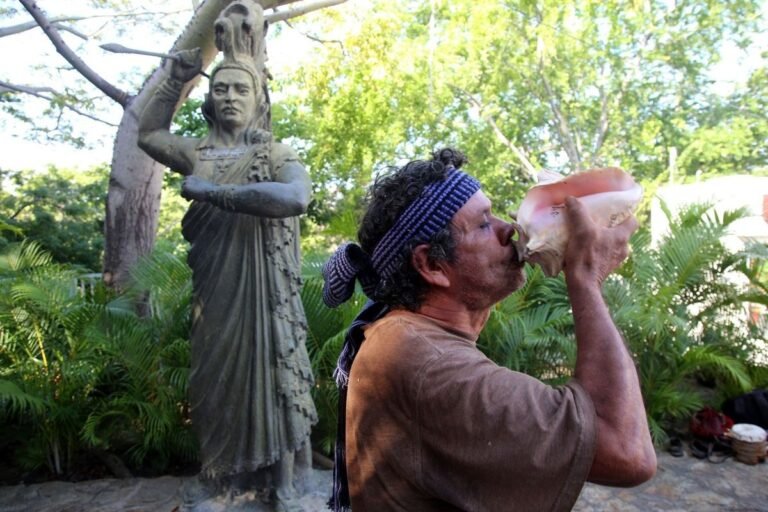
The Meaning of October 12
“Those lands were not empty, since they were populated by millions of native inhabitants who had lived on them for millennia,” notes Felipe Ávila.
-
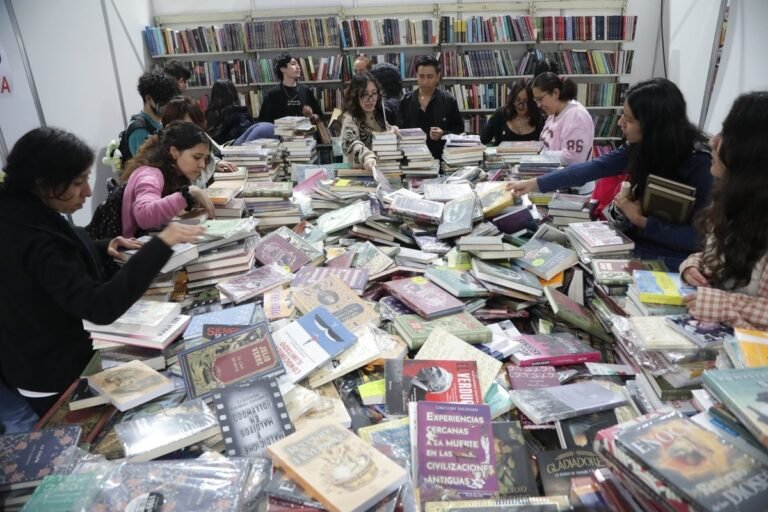
Mexican Book Fairs
“Book fairs in Mexico are among the great gatherings that speak of how a people nourishes itself on books,” observes Poniatowska.
-
Provoke AMLO
“That old man they give up for dead will return to the plazas if necessary. Get ready, because he has the strength to travel the country once more,” warns Páez Varela.