
Mexico’s Sugarcane Growers Want Just Treatment Under USMCA
This article by Rogelio Varela originally appeared in the March 11, 2026 edition of El Sol de México.
As is public knowledge, next week in Washington, officials from Mexico and the United States will begin talks to review the USMCA.
The agenda in the trade relationship between both countries is broad, and while in the agricultural sector Mexico has benefited in recent years with products such as avocados, tomatoes, red fruits, tequila and beer, a sensitive niche on both sides of the border is sweeteners.
In that vein, one group that wants to make its voice heard are the sugarcane growers who have consistently denounced unequal treatment: they want greater access for their sugar to the US market, and they are concerned about how high fructose continues to increase its sales in our country.
According to the National Union of Sugarcane Growers (CNPR), led by Carlos Blackaller Ayala, these asymmetries reduce annual income by approximately 16.8 billion pesos for 190,000 Mexican farmers.
Blackaller says that the current design of bilateral trade in sweeteners creates asymmetries where there are restrictions via quotas on Mexican sugar exports, but US corn syrup or high fructose corn syrup has no import restrictions, something that does not exist in the original NAFTA.
Add that a strong Mexican peso has caused fructose to already dominate 30 percent of the sweetener market in Mexico, that is, it is already present in several food sectors and not only in the beverage and soft drink industry.
The fact is that for every ton of corn syrup that enters the country, a ton of sugar has to be moved to the spot market where it has very depressed prices that can be up to 70 percent below the national price.
In the last year alone, trading in sugar contracts on the Chicago Stock Exchange has fallen by almost 24 percent.
This is no small matter for the negotiators of the Ministry of Economy, headed by Marcelo Ebrard, considering that the sugarcane agro-industry generates 2.2 million direct and indirect jobs, is relevant to the income of more than 270 municipalities in 15 states, and historically tends to be effective in its mobilizations.
-
A Hundred Years After ‘La Cristiada’
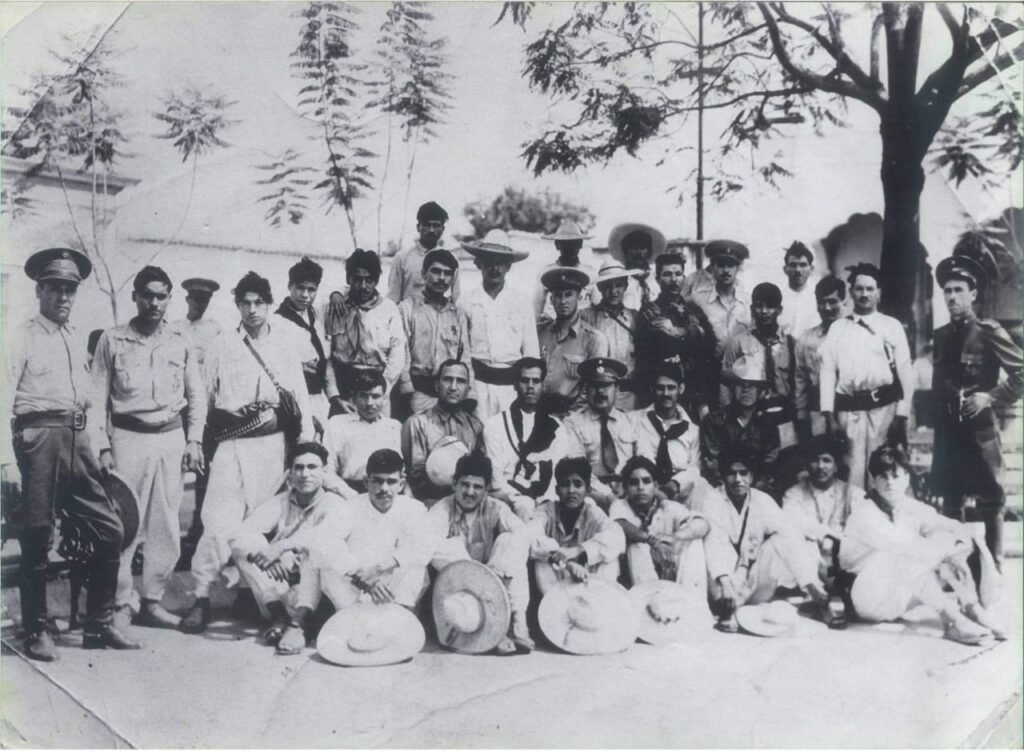
“The Cristero War stands as an example of the high cost that political struggles among the elites of power can have for society when they act irresponsibly,” concludes Meyer.
-
The Normalization of the Abnormal
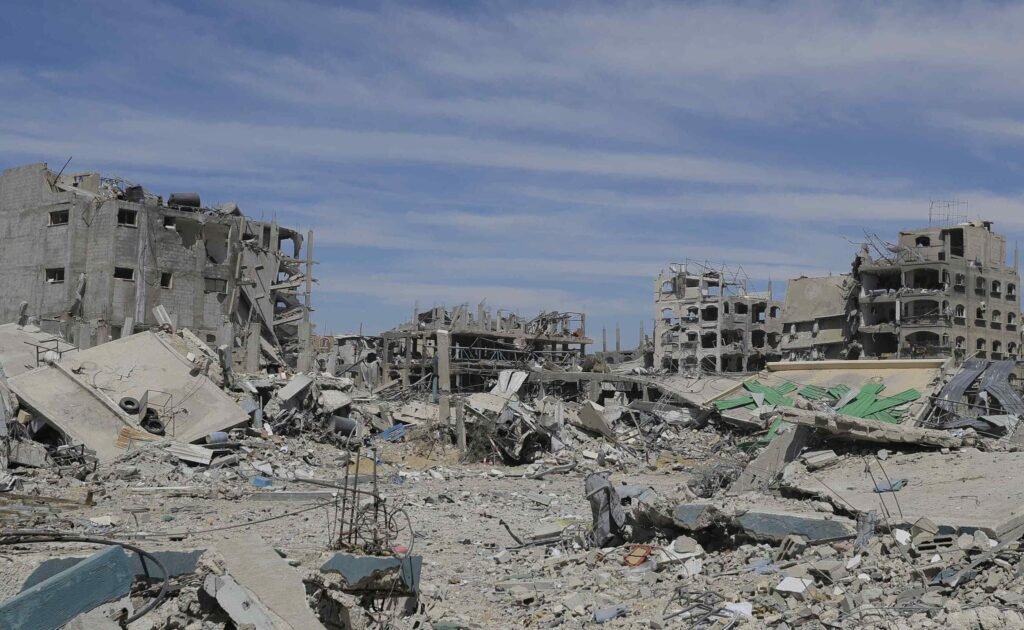
Palestine’s ambassador to Mexico, Nadya Rasheed, denounces the normalization of genocide in Gaza: more than 73,000 Palestinians killed, homes, schools and hospitals destroyed, water poisoned — and a world that looks away.
-
Peña Nieto Filmed Next to Controversial Israeli Contractor
Former Mexican president Peña Nieto was filmed wearing a kippah at a Jewish wedding in Italy, seated beside Avishai Neriah, the Israeli businessman an outlet accused of channeling $25M to him for Mexican government contracts, including Pegasus.