The Miyawaki Method: A Japanese Technique Helping Restore Green Areas in the Valley of Mexico
This article by Ana Miranda originally appeared in the March 18, 2026 edition of El Sol de México.
In recent decades, the urban sprawl of the Valley of Mexico has grown uncontrollably, prioritizing asphalt over ecosystems. Every so often, projects emerge that attempt to reverse this trend, but they are insufficient.
In this context, a Japanese ultra-accelerated reforestation technique, known as the Miyawaki Method, has arrived in the region, seeking not only to “plant trees”, but to create self-sufficient ecosystems.
This technique, which transformed industrial landscapes in Japan during the 1970s, helping to create ultra-resistant green belts, has begun to take root in central Mexico with some initiatives involving academics, philanthropists, institutions and NGOs.
The Miyawaki Method is a Japanese ultra-accelerated reforestation technique that, instead of just “planting trees,” seeks to create self-sufficient ecosystems in record time to combat heat islands and soil degradation.
Also known as the science of the “Pocket Forest”, this system developed by the Japanese botanist Akira Miyawaki, is based on the concept of Potential Natural Vegetation (PNV).
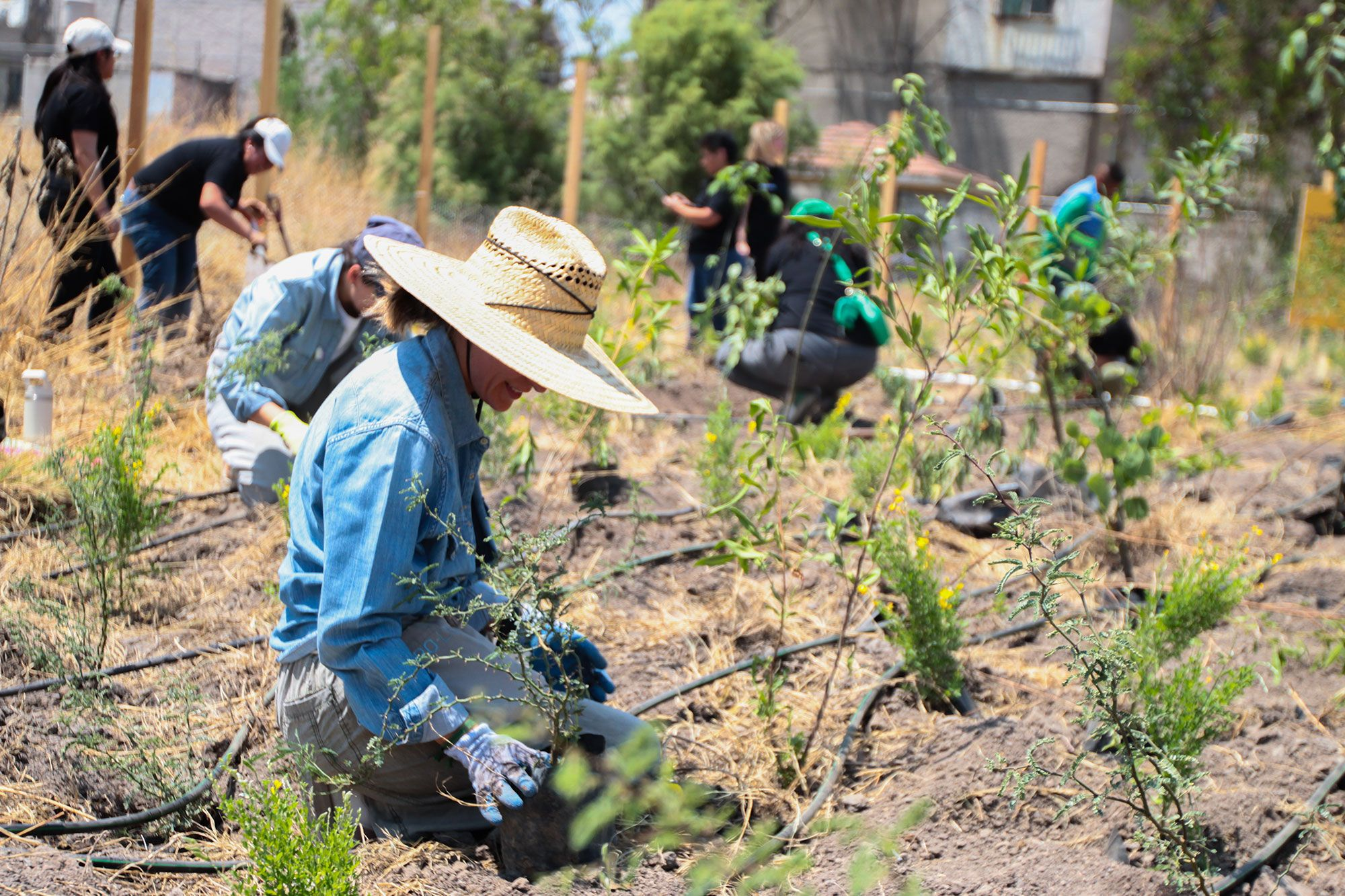
Unlike traditional reforestation, which often uses monocultures or ornamental species, the method proposes the creation of multi-layered native forests , and is governed by the selection of plants that grow naturally in the area without human intervention, planting between 3 and 5 seedlings per square meter, because competition for sunlight stimulates accelerated vertical growth.
Deep soil preparation is also important, as between 80 and 100 centimeters of soil are removed to enrich it with organic substrates and microorganisms (mycorrhizae), thus improving root communication.
And here’s the most interesting part: after an initial period of watering and weeding of 2 to 3 years, the forest becomes completely self-sufficient, without the need for pruning or chemical fertilizers.
The Nezahualcóyotl Landmark
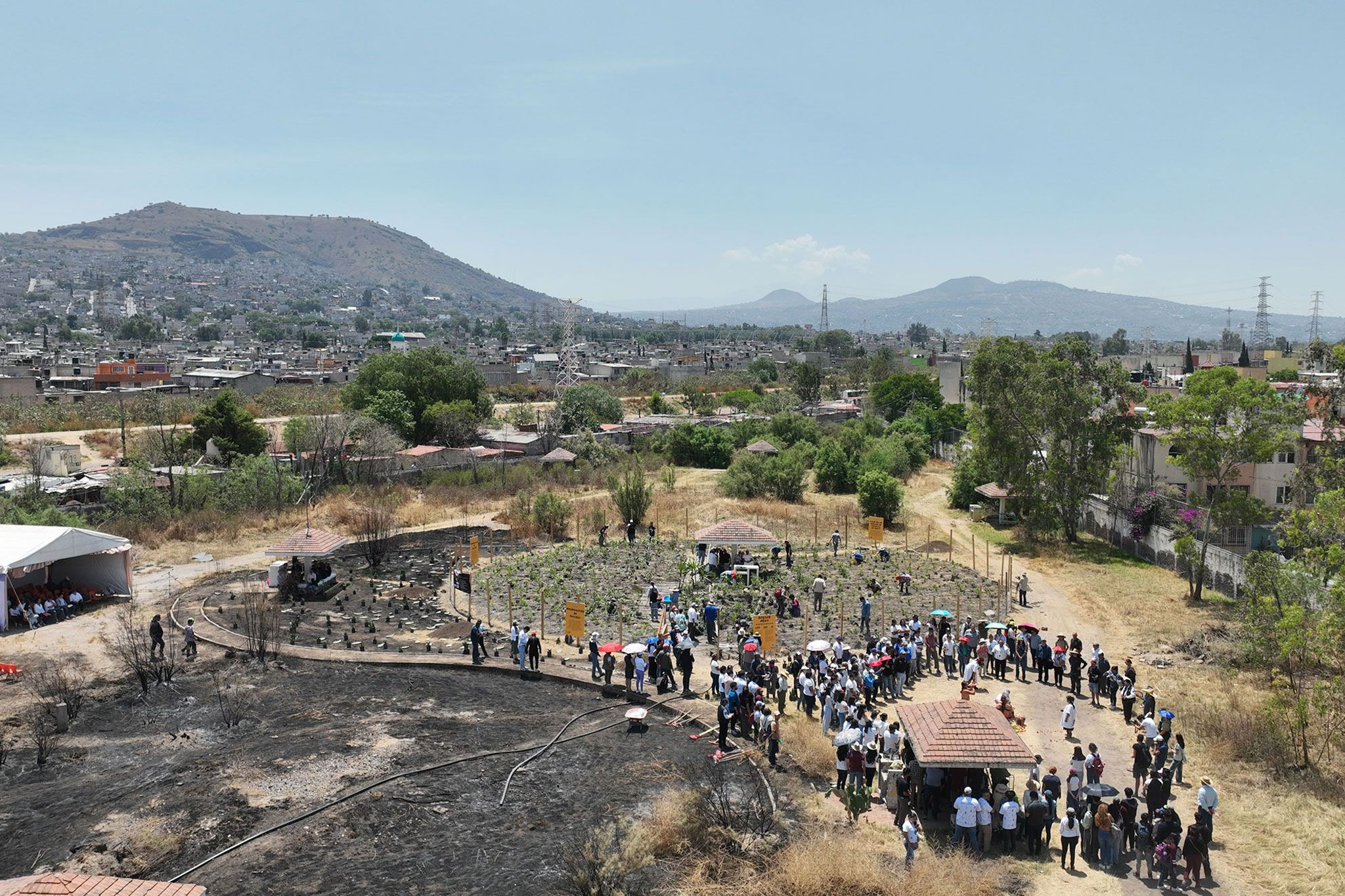
The most emblematic project launched in Mexico took place in May 2025 at the Technological University of Nezahualcóyotl (UTN). According to a statement from the institution, the municipality’s first “Miyawaki Pocket Forest” was developed in one of the areas with the greatest deficit of green spaces per capita in the country.
In an area of 500 square meters, 1,500 specimens of 25 native species, adapted to the high salinity of the region’s soil (a remnant of Lake Texcoco ), were planted. Some of the most representative species in this case were oak trees, Montezuma cypress, and various varieties of sage.
The project was driven by a strategic alliance between the SUGi Foundation, a global leader in microforests; the Foresta Foundation; the Chilean organization Symbiótica and UTN itself, through its Academic Division of Environmental Technology.
“In a region with few green areas like Nezahualcóyotl, these types of initiatives are not only environmental, but actions with a profound social impact that help generate oxygen, mitigate the urban impact and offer a real habitat for biodiversity,” said the Rector of the UTN, Armando Alejandro Elizais, during the inauguration of the forest.
Cerro de la Estrella Restoration
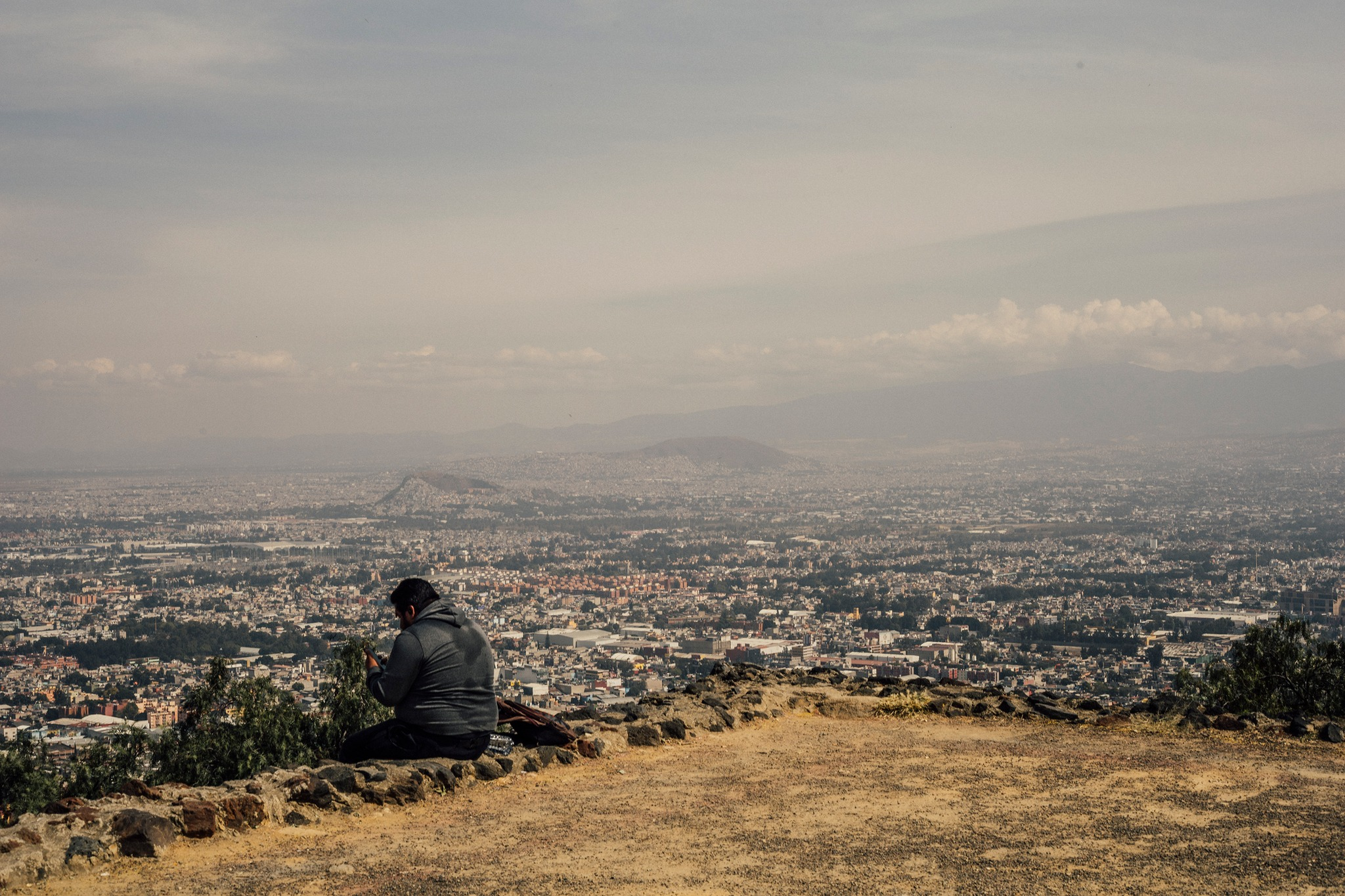
In the Iztapalapa Mayor’s Office, the Miyawaki approach was integrated into government strategies of the Secretariat of the Environment (SEDEMA) of Mexico City, under the “Green Challenge” program, where high-density techniques were implemented on the Cerro de la Estrella through a project called “Huizachtépetl: roots for the future”, last July.
In addition to general forest restoration, the project integrates the Miyawaki pillars through fertility nests, which are microstructures of enriched soil to ensure survival in eroded lands, and phytosanitary sanitation, which consists of applying plant endotherapy to more than 30,000 trees in the area to control pests such as the bark beetle and thus prepare the land for new dense plantings.
The Benefits
Impact reports from the SUGi Foundation and studies by UNAM on the subject establish that so-called “Miyawaki forests” grow 10 times faster than a conventional plantation. Being 30 times denser, they capture a significantly greater amount of CO2 per square meter than conventional forests.
According to specialists, in critical urban areas such as Neza and Iztapalapa, a mature microforest can reduce the local ambient temperature by up to 15°C. In addition, by becoming 100 times more biodiverse, they attract more pollinators (bees, hummingbirds) and microfauna essential for urban balance.
The network of actors driving this trend in Mexico is a mix of academia, philanthropy, and technical activism, starting with institutions such as the Technological University of Nezahualcóyotl, the Tec de Monterrey (with its Tiny Forest project in Monterrey), and UDEM.
NGOs and foundations have also been involved, such as SUGi , an international organization that provides technical design and global funding, as well as Foresta AC, coordinated in Mexico by experts such as Andrea Guzmán Parra, in charge of logistical execution and species selection, and the local SEDEMA, through its head Julia Álvarez Icaza, along with the Directorate of Protected Natural Areas.
“The Miyawaki method allows the forest to become a living laboratory. Through technology and density, we can observe how plants communicate and compete, achieving in 20 years what would take nature 200,” said Mario Adrián Flores, Vice President of the Monterrey Region at Tec de Monterrey, regarding the Tiny Forest project.
From Santiago to “Neza”
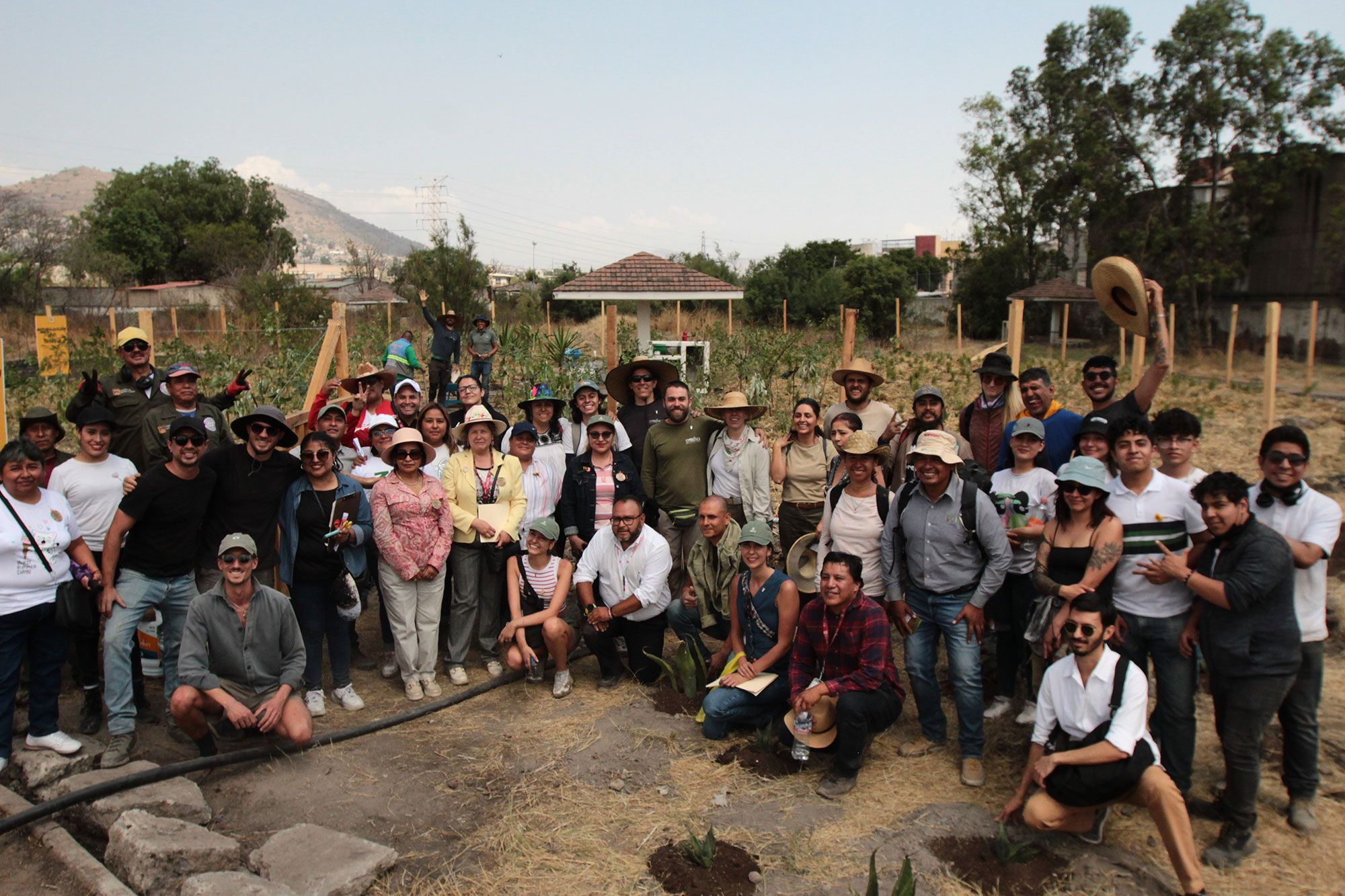
Before arriving at UTN in Neza, this team had already successfully implemented dozens of “Pocket Forests” in Chilean cities such as Santiago, Concepción, and Valparaíso. This prior experience convinced organizations like SUGi that they were the right people to oversee the expansion in Mexico.
To adapt this technique to Mexican soil, the Chilean team contributed the “know-how” to treat extremely complex soils, such as the saltpeter of Neza, applying lessons learned in the arid and semi-arid zones of Chile.
But the history of this type of implementation is much older. Before taking root in Chile and Mexico, the technique transformed industrial landscapes in Japan during the 1970s, where Dr. Miyawaki collaborated with companies like Toyota and Mitsubishi to surround their plants with ultra-resistant green belts.
The leap to a global and urban scale is largely due to the vision of Shubhendu Sharma and his organization Afforestt in India. Sharma, a former industrial engineer, standardized the process so that it could be replicated on small plots of land, enabling cities like Bangalore and Mumbai to see dense ecosystems emerge in parking lots or private gardens of just 100 square meters.
In Europe, the movement reached a massive scale through institutions such as IVN Nature Education in the Netherlands, where more than 250 “Tiny Forests” have been established in school and neighborhood settings since 2015. Countries such as Belgium, France (with projects by the organization Boomforest in Paris) and the United Kingdom have replicated the model with remarkable results: seedling survival rates exceeding 90 percent, growth ten times faster than traditional forestry techniques and a 100 percent increase in local biodiversity.
These projects have shown that it is possible to convert old patches of asphalt into vital refuges for birds and pollinators in less than three years, achieving total ecological autonomy in record time.
Not as Easy as it Seems
Despite its effectiveness, the method faces critical barriers in the Mexican context, such as the high initial cost, due to the need to acquire thousands of seedlings for a small area and the machinery for deep soil removal, which implies an initial investment up to 5 times greater than traditional reforestation.
The availability of native species is also fundamental, taking into account that many commercial nurseries in Mexico tend to prioritize exotic species, such as eucalyptus or pirul, which makes the production of native climax species to meet Miyawaki density still an issue to be resolved.
Water stress is another factor to consider, since the first 24 to 36 months require constant irrigation, and in areas with severe water scarcity, this demands rainwater harvesting systems or the use of water treated specifically for the project.
The future of reforestation in the Valley of Mexico appears to be shifting away from large linear parks and toward a focus on ecological urban acupuncture. The goal of the collectives and universities involved is to have at least 100 of these micro-forests distributed throughout the hottest areas of the Metropolitan Zone by 2030.
This strategy represents a paradigm shift: the city no longer grows against nature, but learns to integrate it into its most forgotten interstices, restoring to the soil its capacity to sustain life.
In conclusion, Akira Miyawaki himself has been emphatic when he states: “What is truly transformative is creating ‘real forests’ or forest ecosystems. The technology for building forests must evolve over time; we cannot be satisfied with what was done decades ago.”
-
Brugada Reaffirms the Right to Housing at the Urban 20, in NY
Beside New York mayor Zohran Mamdani, Brugada said nearly half a million people left housing poverty in Mexico City since 2018, and urged a global housing coalition.
-
People’s Mañanera September 21
President Sheinbaum’s daily press conference, with comments on the report assemblies, education scholarships, G20 growth, diesel supply, and sovereignty.
-
Companies Lobby Against Mexican Reform That Would Require Them to Report the ‘Definitive’ Price
Netflix, Uber, Rappi and DHL are pressuring Congress to weaken Morena’s bill against ‘drip pricing,’ the hidden fees tacked onto a low advertised cost.