Multiplying the Readers
This column by Carlos Martínez García originally appeared in the March 18, 2026 edition of La Jornada, Mexico’s premier left wing daily newspaper. The views expressed in this article are the authors’ own and do not necessarily reflect those of Mexico Solidarity Media or the Mexico Solidarity Project.
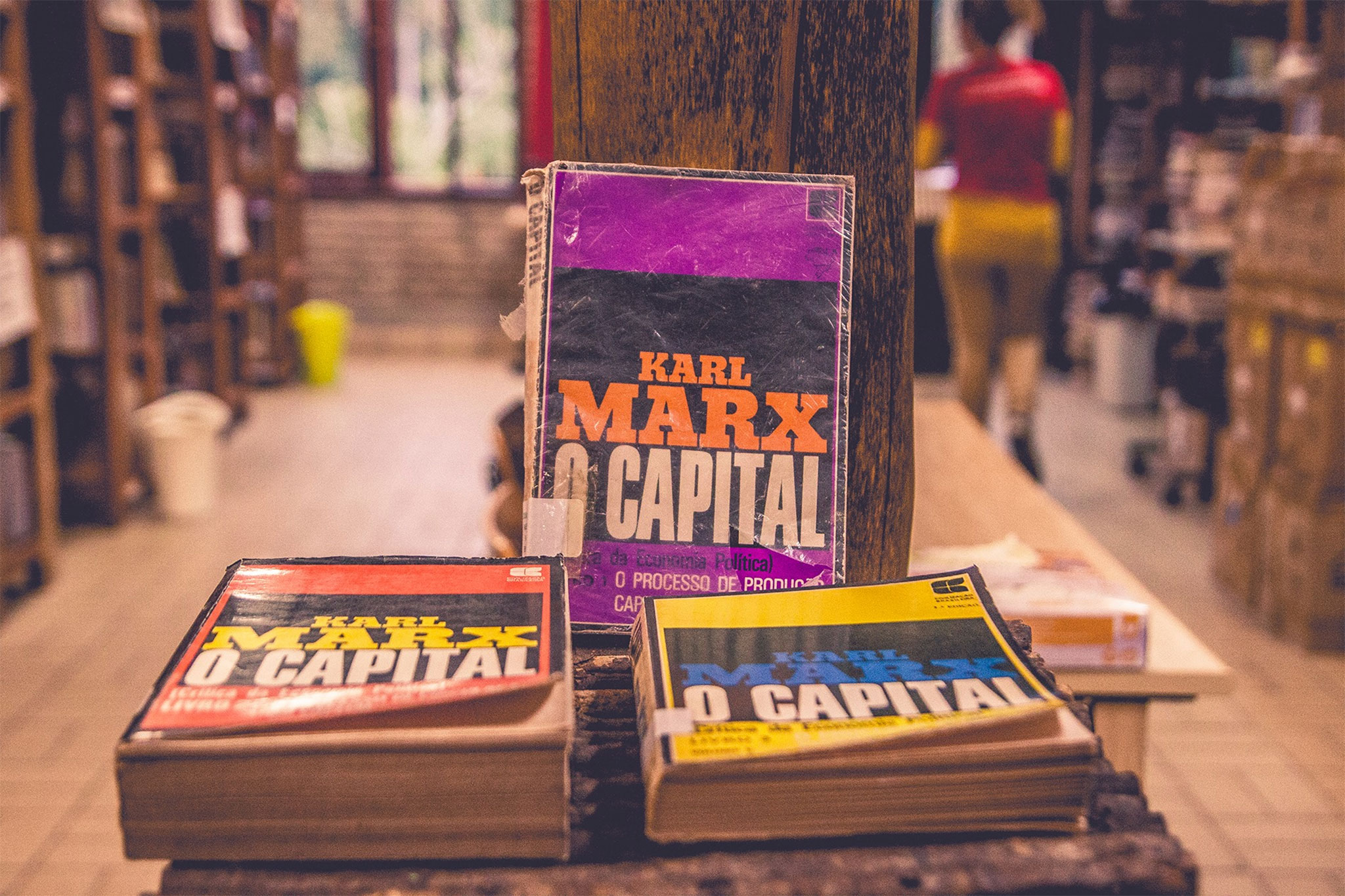
It is desirable that, just as the ways to acquire books multiply, so too does the number of people who read regularly. Efforts to bring books closer to potential readers who rarely visit bookstores are commendable, making it easier for them to acquire a work that can be their introduction to the captivating act of reading.
In recent weeks and in the coming weeks, Mexico City has hosted the International Book Fair at the Palacio de Minería, the Fondo de Cultura Económica book fair at the Palacio Postal, the Coyoacán International Book Fair, the UNAM Book Sale at Ciudad Universitaria, and the upcoming Great Sale of Books, Records, and Films at the Monument to the Revolution. Throughout the country, book fairs have been held so far this year and will continue to take place in the remaining months, culminating in December with the Guadalajara International Book Fair, the largest in Mexico. Opportunities to acquire books abound, but it seems that the supply of books is outpacing the growth of the reading public.
Like any conversion, becoming a reader has many paths. In some cases, it can be an epiphany, as it was in mine, and from there, one eagerly seeks out more texts to discover new existential and cognitive horizons. For others, the process is gradual; they slowly develop a love for reading and incorporate it into their daily routine.
Sudden and gradual readers inquire in different ways about the next work to read and, almost generally, share their discoveries with other people, not for ostentation or seeking praise, but for the mere pleasure of naturally conversing about a passion.
Although there is already much excellent research on how to train readers, and this research is a valuable resource for those who have the beautiful task of promoting reading, it is largely a matter of chance how someone, with almost everything against them, becomes a reader.
While it is true that there are favorable and stimulating conditions to ignite the spark of the reading habit, it is also true that readers emerge in harsh and unpromising social territories for those who engage with the pages of books to flourish, whether in their traditional format (preferred by those of us of the lineage fostered by Johannes Gutenberg), or in digital versions.
In Reading and Globalization: An (Unnecessary) Praise of Books, a lecture given at the Bogotá International Book Fair (April 2004), Carlos Monsiváis stated: “Reading remains a profoundly personal act. And it is the responsibility of the State and society to create the conditions so that anyone who wishes to do so has access to the facilities or opportunities to practice reading, a far from negligible aspect of the pleasures of subjectivity.”
Government agencies and sectors of civil society can, and indeed should, contribute to building more and better opportunities that normalize the appeal of reading. By normalize, I mean that reading should no longer be seen as an eccentric habit, but rather as an activity that becomes part of a growing percentage of the population.
Perhaps the greatest opportunities to become engrossed in reading occur in childhood; later on, according to various indicators and experiences, getting hooked becomes more difficult. Juan Domingo Argüelles, in History of Readings and Readers: The Paths of Those Who Do Read, recounts the conversations he had with writers and people dedicated to cultural dissemination, most of whom began reading in their childhood or adolescence.
Without neglecting adults, it is in the age ranges of those who carry out primary, secondary and high school studies that the niche is located to which imagination, resources and strategies should be focused to spread the formative importance that reading has personally and socially.
I wasn’t a reader as a child; in my family, neighborhood, and school environment, I had no reading role models or access to books. I almost missed the train of reading, which I boarded almost at the last car; I once recounted my journey to Damascus in this area.
I can only imagine the enchantment and wonder it would have been to encounter, for example, the works of Charles Dickens and Agatha Christie.
I know that, in their childhood, even before starting primary school, two authors and one author to whom I constantly return (Carlos Monsiváis, Truman Capote, and Harper Lee) already knew how to read. I’m not suggesting at all that if I had read as a child I would have been a more or less recognized writer. No, I know my limitations, which is why I ask to be introduced at conferences or courses simply, but nothing less, as a reader who writes. Perhaps I should say that I’m not a writer, but a scribbler, which means “a habitual writer, but lacking talent and originality.” But one thing’s for sure, what I’ve read and what I have yet to read, who can take that away from me?
-
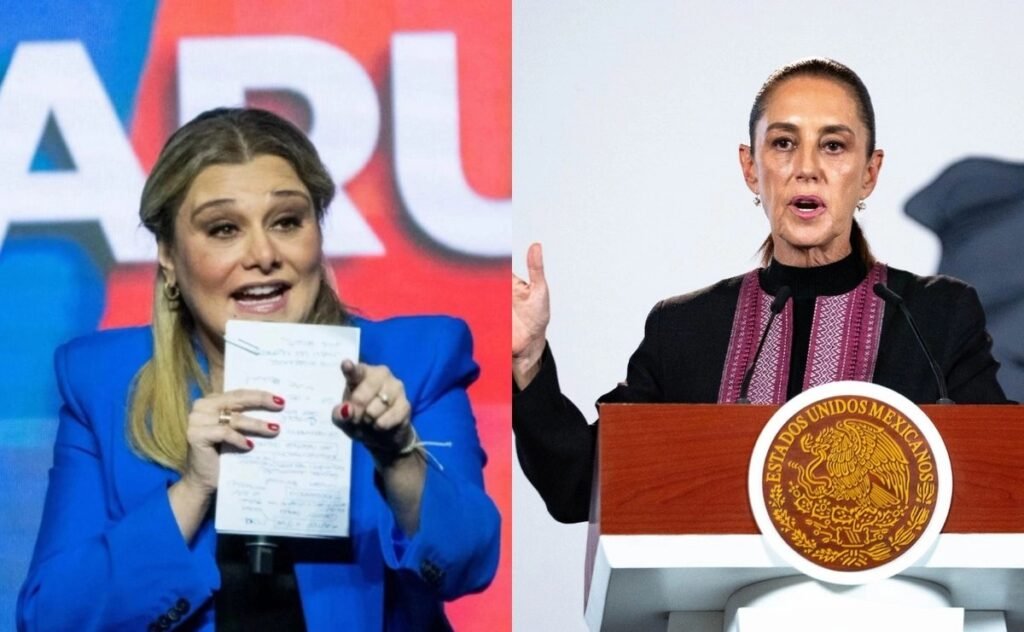
Sheinbaum Meets Privately with Maru Campos on Her Arrival in Ciudad Juárez
If any law was broken in the drug operation involving CIA agents in Chihuahua, those responsible, including state officials, must be prosecuted, the two agreed.
-
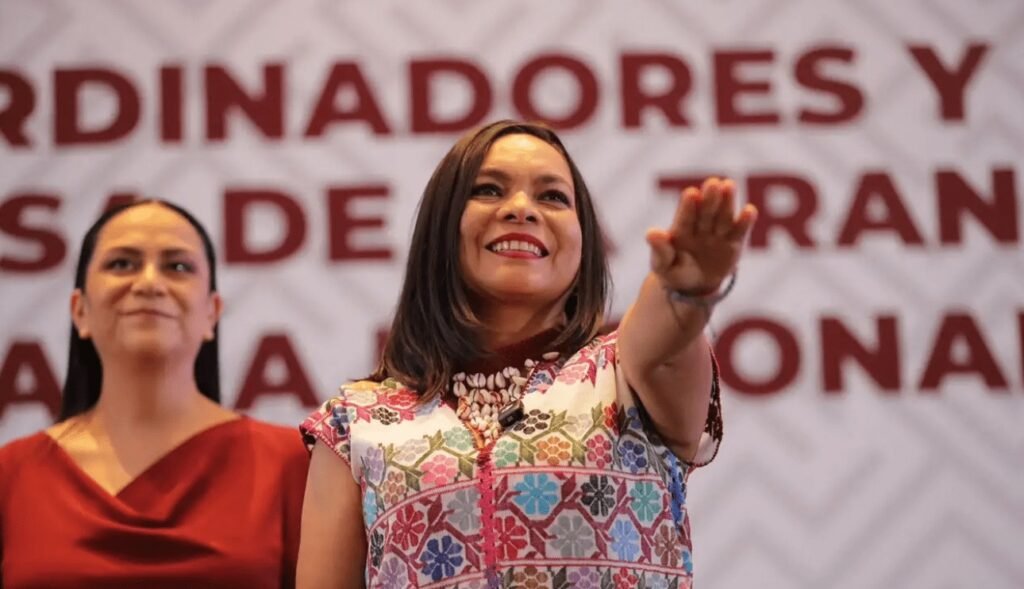
Beatriz Mojica: From Criticizing AMLO to Coordinating Morena in Guerrero
The senator on leave is Morena’s pick for governor of Guerrero in 2027, after a career that includes the PRD and her 2018 support for Ricardo Anaya.
-
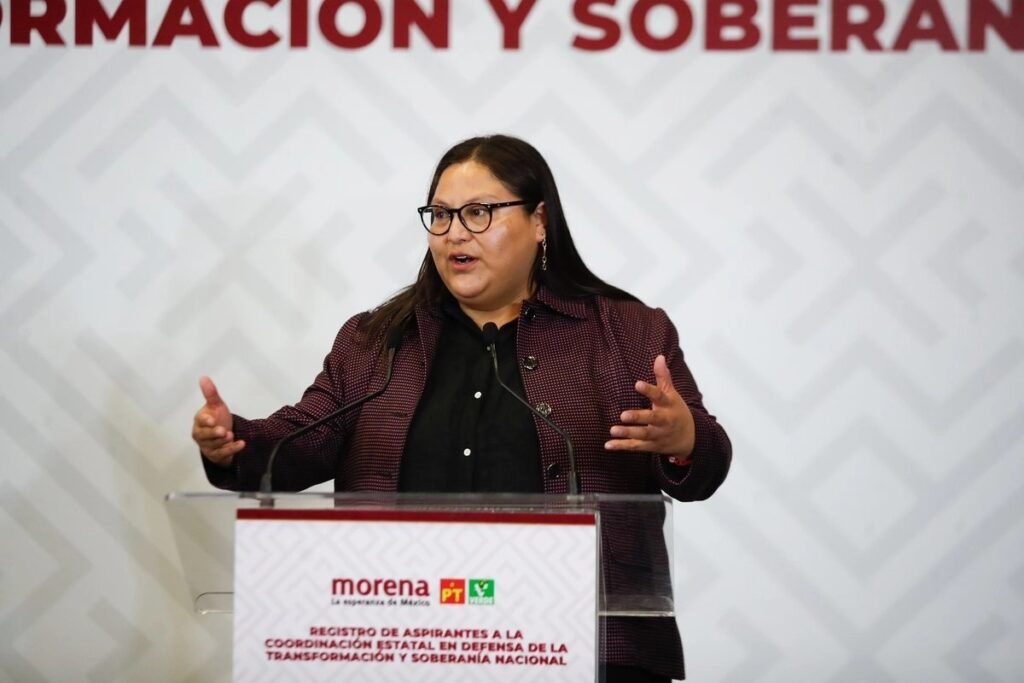
Morena’s Elections Commission Chief: Differences Are Natural to a Living Party
Amid criticism over the 10 chosen profiles, Citlalli Hernández, president of Morena’s National Elections Commission, defended the differences as natural to a living party.