The Triple Meaning of Latin American Marxism
This article by Tlacaelel Acosta originally appeared in the 300th edition of Memoria: Revista de Crítica Militante. We thank Memoria for permission to reprint the article and encourage you to support Memoria and the Center for Studies of the Labor and Socialist Movement. The views expressed in this article are the author’s own and do not necessarily reflect those of Mexico Solidarity Media or the Mexico Solidarity Project.
Latin American Marxism is a jungle where there are no signs or predetermined paths leading to a specific destination. But as with any journey, having the essential elements to avoid getting lost is a matter of survival. Thus, to prevent getting lost, I propose understanding Latin American Marxism simultaneously as a sociohistorical phenomenon, as a political process, and as an analytical category. Why make such clarifications at this point? Although Latin American Marxism constitutes a pluralistic and heterogeneous current of thought with more than a century of tradition, there is minimal consensus on what we mean when we talk about Marxisms in Latin America.
Socio-historical Phenomenon
The formal connection between Latin America and Marxism began to take shape with the participation of Latin American delegations (Chile, Argentina, and Uruguay) in the congresses of the Second International (1889-1920). I say formally, since it is well known that these delegations—of which Argentina’s was the most consistent—played a secondary role due to the prevailing international strategy still heavily influenced by Eurocentrism and the “problems of the First World.” It was during this period that the first socialist political parties emerged in Latin America, the first spontaneous manifestations of the labor movement arose, and a local intelligentsia appeared that began to analyze Latin American issues from the perspective of historical materialism.
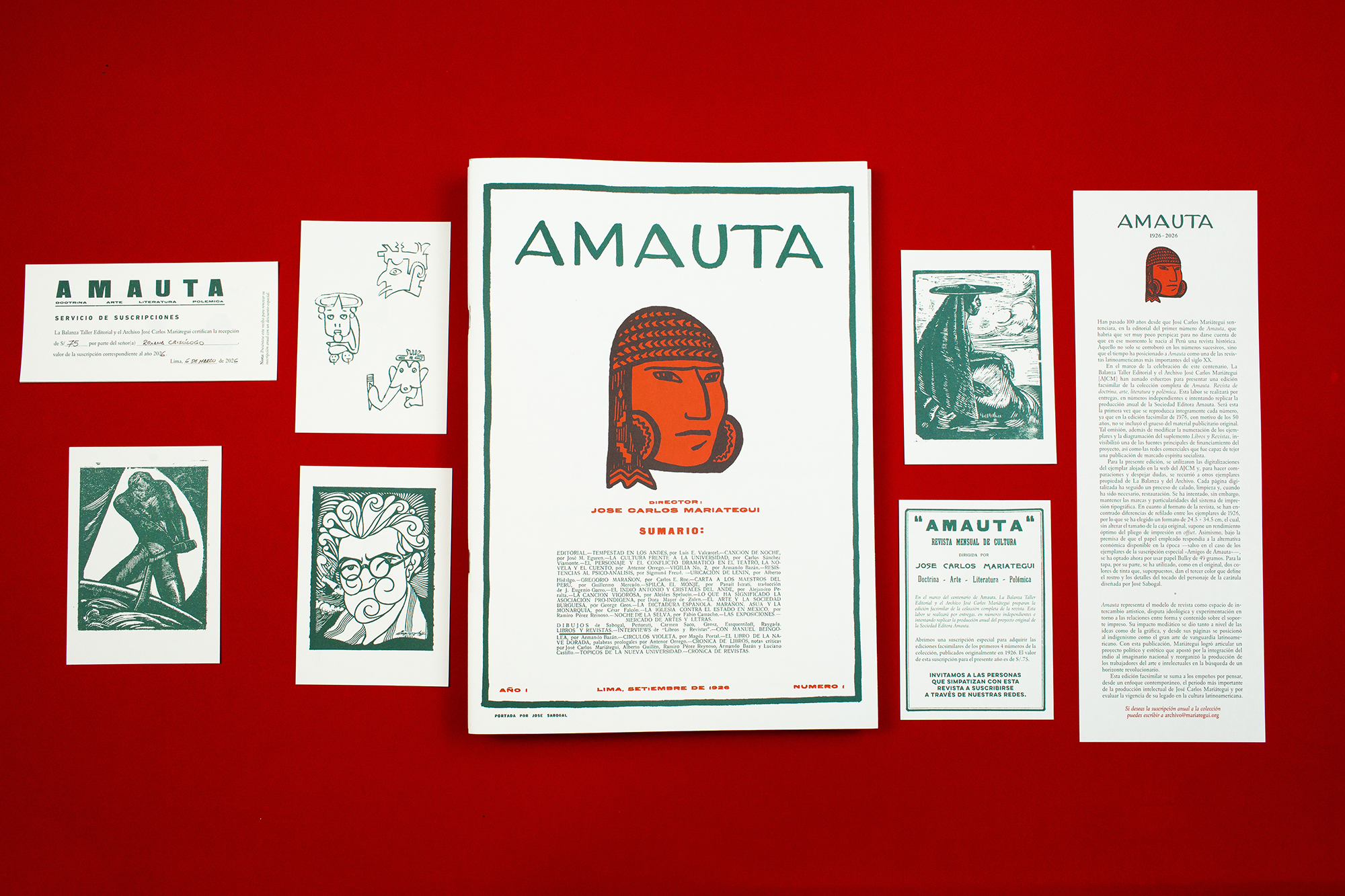
Despite this background, dominant narratives consider that Latin American Marxism truly emerged either in the 1920s or the 1930s, years marked by several pivotal events. During the 1920s: I. the effective incorporation of a revolutionary strategy for Latin America by the Sixth Enlarged Executive Committee of the Communist International (Comintern) in 1926; and II. the structuring of Latin Americanist thought based on the theoretical and practical work of figures such as Juan B. Justo [1865-1928], José Ingenieros [1877-1925], Aníbal Ponce [1898-1938], José Carlos Mariátegui [1894-1930], and Julio Antonio Mella [1903-1929], to name the most representative. Regarding the first event, José M. Aricó tells us that it was during the preparations for the Sixth Congress of the Comintern that: “[…] a more particularized consideration of the Latin American socio-economic situation and the need for a differentiated strategy for the Latin American region began to emerge, and by virtue of very special conditions.”1 Regarding the second point, and largely in line with Aricó’s observations, Michael Löwy maintains that in Latin America there was: “[…] a revolutionary period from the 1920s to the mid-1930s, whose most profound theoretical expression is the work of Mariátegui and whose most important practical manifestation was the Salvadoran insurrection of 1932.”2 Disagreeing with this position, Agustín Cueva placed greater emphasis on the 1930s, arguing that:
The early development of Marxism in Latin America is often presented as divided into two fanciful stages: a) a kind of golden age that supposedly ended with Mariátegui’s death in 1930; and b) a supposed dark age that extended from then until 1959, the year of the Cuban Revolution. This version is entirely unfounded. It was precisely from the 1930s onward that an intellectual movement inspired by Marxism took shape, one of such vigor and scope that it could well be considered the foundation of all modern Latin American culture. It included poets of the stature of Neruda, Vallejo, and Nicolás Guillén; novelists like Jorge Amado and Carlos Luis Fallas; painters like those of the Mexican muralists; and even architects like the great Niemeyer. Undoubtedly, the best of our culture.
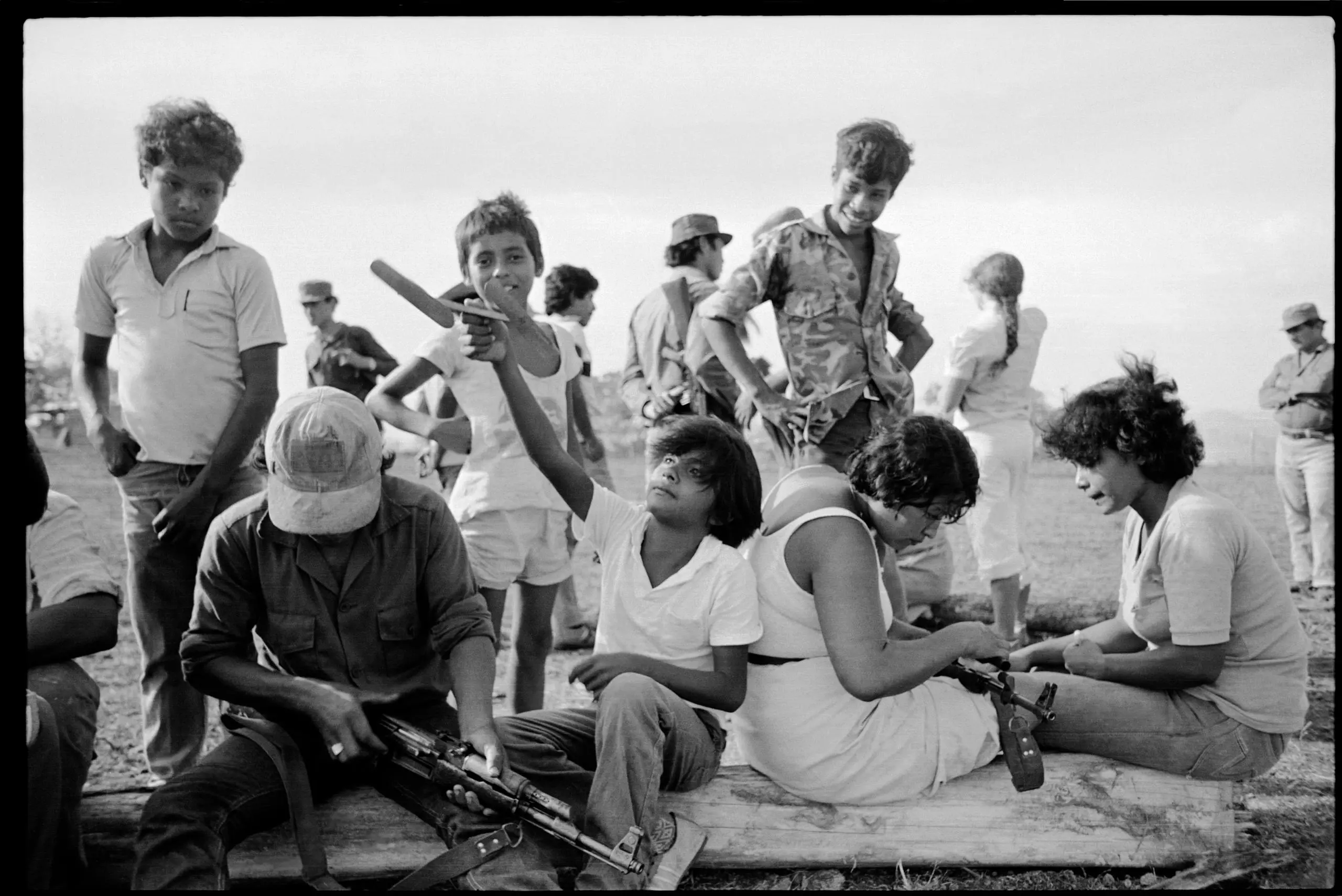
From then on, Marxism in Latin America definitively entered the scene, merging with national, popular, and communal elements, generating its own expressions and signifiers. Beyond the doctrinal inspiration that nourished them (Marxism-Leninism, Trotskyism, Maoism, Gramscianism), these manifestations were identifiable with their own program, organizational model, and culture. Therefore, what is relevant, more than seeking the origins of Latin American Marxism—something that undoubtedly possesses great historiographical value—is understanding that it is a phenomenon that arises in a specific time and place to respond to unavoidable social needs. In other words, Latin American Marxism is not an intellectual product of privileged minds; it is a tendency that emerges as a consequence of imperialist domination in the region, colonialism, and the persistence of forms of capital accumulation that do not allow for social relations not based on exploitation.
Political Process
If Latin American Marxism is a social phenomenon with its own history, its effectiveness and efficiency only materialize through a political process that combines theory and practice as the foundation for the possibility of significant qualitative changes. To reduce the risk of falling into voluntarist positions—revolutionary adventurism, parliamentary cretinism, opportunism, and a lack of partisanship—I believe it is advisable to consider the political process according to the following general guidelines: I) Analysis of the dominant mode of production and reproduction of capital, as well as the prevailing class structure; II) identification of the framework for political action; III) concrete tactics and strategies for the class struggle; IV) prevention of counterrevolutionary tactics; and V) the institutionalization of the socialist revolution.
Any genuinely materialist analysis begins with a study of the dominant mode of production in each region and/or social formation, since this allows for the identification of the general constants that determine the distribution of and struggle for economic surplus. However, the mechanisms of capital accumulation are never identical; patterns appear and disappear when they cease to be useful, while the class structure is simultaneously changing. Beyond the so-called fundamental classes, in every Latin American social formation there are class fractions, strata, and social categories that, in certain circumstances, can become essential due to their prominence.
The frameworks for political action from a Latin American Marxist perspective are richer, more complex, and more heterogeneous than those practiced in other types of political regimes, largely due to the variegation (René Zavaleta) or the sutures (Rosana Paulino) that characterize us as Latin American societies. Politics is not reducible to its formal-institutional dimension, in which programs must be circumscribed by electoral procedures and political institutions authorized by the government. Besides formal politics, there are mass politics and underground politics, which transcend and negate the merely institutional. Mass politics is characterized by overflowing the State and the entire institutional framework while asserting itself through its own means, legitimizing its signifiers, and being sovereign as an autonomous expression of the political.3 Underground politics is that which develops in illegality and secrecy, generally when the ruling bloc perceives its capacity for political domination as threatened and shifts its efforts to secure the “reason of state” to the repressive apparatus. These three frameworks for political action are not at all contradictory, although their complementarity depends on what the ancient Greeks called Kairos, or the opportune moment.
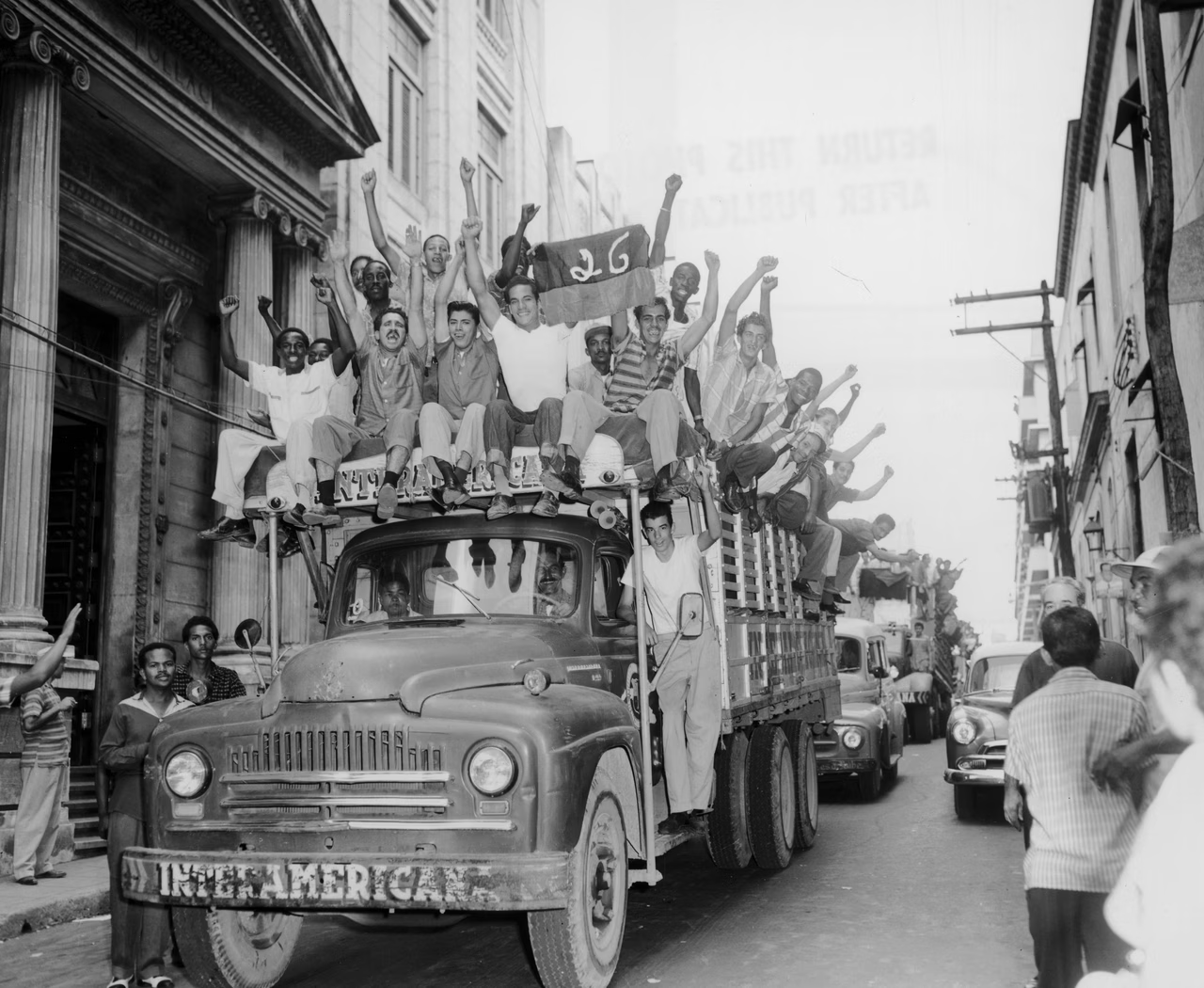
The class struggle cannot be operationalized except through the design and implementation of tactics and strategies appropriate to the historical moment and consistent with the objectives pursued.4 The Prestes Column in Brazil, the 26th of July Movement in Cuba, the Tupamaros urban guerrilla in Uruguay, the Shining Path campaign in Peru, and the party-movement led by the Movement for Socialism in Bolivia are some examples of tactical-strategic innovations that, regardless of their final results, managed to translate the insurgent imperatives of Marxism to Latin American realities. Strategy precedes tactics, at least in the initial stages of communist political action, but it is tactics that test the practical viability of these aspirations.
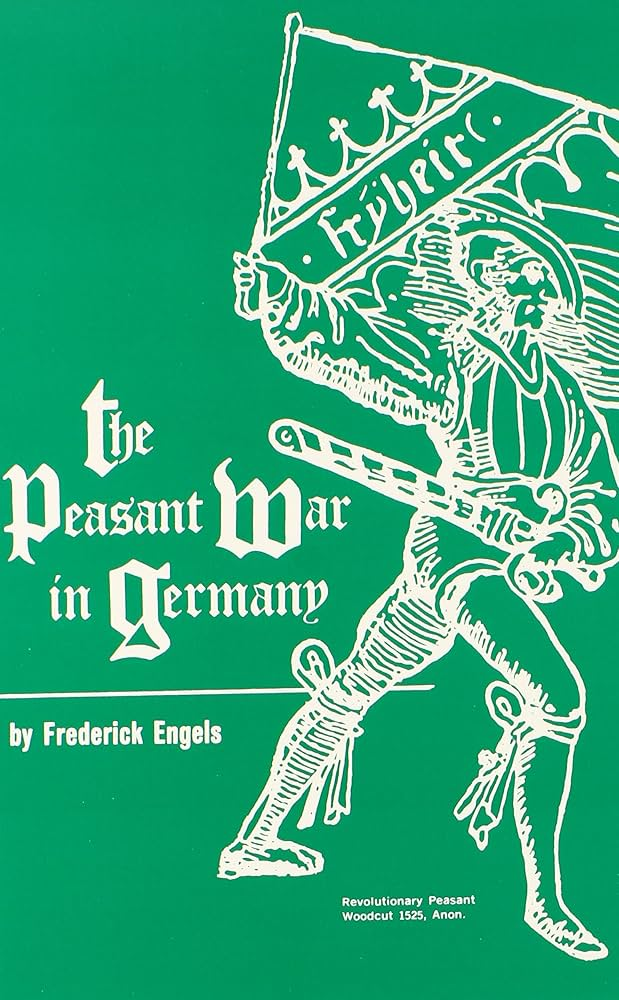
Whenever revolutionary attempts arise, there will be counter-attempts to deactivate, co-opt, or eliminate them from above. This entails a pendulum-like use of means that oscillate between legality and counterinsurgency terror. Marx and Engels had already traced and described various counterinsurgency methods of their time in texts such as The Peasant War in Germany [1850] and Revolution and Counter-Revolution in Germany [1852], both by Engels, and The Eighteenth Brumaire of Louis Bonaparte [1852] by Marx. However, today’s counterrevolution is more sophisticated, and no less violent. “NGOism,” “lawfare,” and the “war on drugs” are part of these new technologies, instrumentalized even by paramilitary groups to deactivate insurgencies.
The conquest of political power is not equivalent to a socialist revolution; it is merely its first phase. The success of a socialist revolution depends more on the degree of institutionalization of its policies and their transgenerational foundation, since, from the outset, the temporary occupation of government does not guarantee the management of the State.5 In this vein, a socialist-communist program and its ultimate goals—the abolition of the labor theory of value through the socialization of the means of production, the elimination of bourgeois private property, and the withering away of the State—can only be realized if progress is made in the long term through despotic interventions against capital. The political process is also not sequential, but rather indicative of the general stages through which Latin American Marxism passes as a superseding and negation of the existing social order.
Analytical Category
If all theoretical discourse possesses concepts and methods used to explain a phenomenon, Latin American Marxism is not very different. The difference is that, by employing a materialist conception of history, the intention is to understand real and concrete, singular objects through abstraction and deduction6, both from the categories themselves and from the concrete phenomena that these categories capture. In other words, Latin American Marxism is also an analytical category, that is, a theoretical concept with heuristic utility for detecting, interpreting, and systematizing what lies within its framework of understanding.
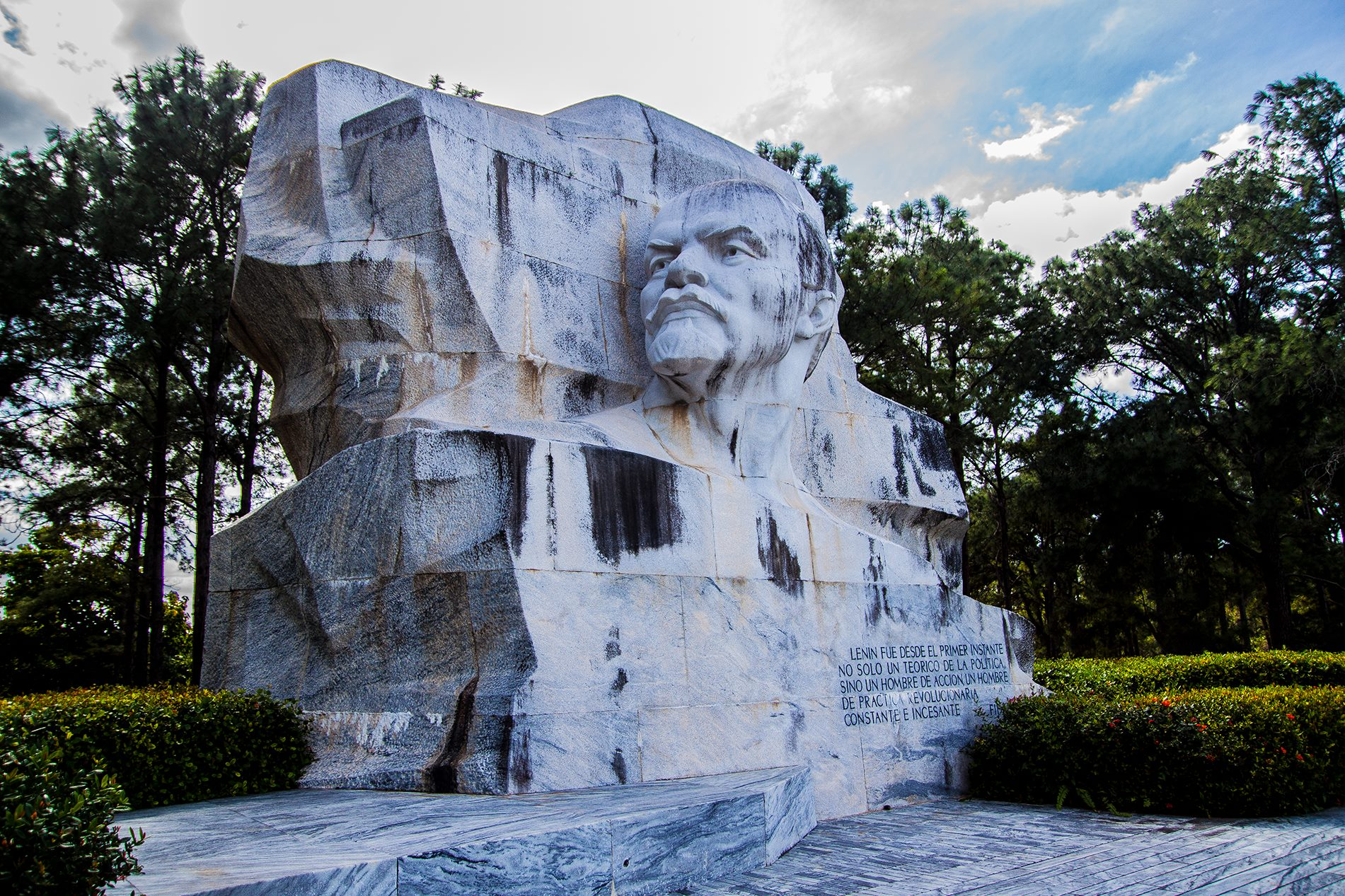
In another writing I suggested that theorizing from a specific geographical coordinate is not a sufficient, or even necessary, condition for self-affirmation of an identitarian nature; that is, simply practicing or thinking within the parameters of Marxist theory and from Latin America is not enough to safeguard Latin American Marxism.7 Precisely, there are four essential ingredients that define and give meaning to Latin American Marxism as a category: I) thinking about Latin American social reality from a materialist conception of history; II) applying dialectics as a general method of investigation; III) safeguarding the communist hypothesis; and IV) employing a Latin Americanist approach to analysis.
Unlike other schools of thought such as idealism, subjectivism, nominalism, empiricism, skepticism, and positivism, historical materialism teaches us that there is no “principle of reason,” as in philosophies of history, and therefore, neither essences nor subjects predetermined by some teleological imperative prevail. Likewise, there are no unknowable objects, or objects to which we can only have access either phenomenally or by penetrating them through the observable. Reality is constituted by historical processes—neither linear nor unidirectional—that unfold fundamentally through conflict between social classes and that at some point generate new contradictions after the revolutionary transformation of society. Dialectics continues to matter because if we stop making abusive and elastic use of it, rather than providing us with “logical answers” or serving as a “theory of knowledge,” it enables us to think about that material reality we call history, navigating through different levels of abstraction of knowledge without having to remain in the tide that drags us towards a certain way of framing philosophical, cultural, economic, political, etc. events.
Latin American Marxism cannot justify itself as a mere critical theory of capitalism and bourgeois society as a whole, since Marxist critique entails a propositional character regarding what has been called communism or a classless society, the precursor of which is socialism.8 The insistence on communism is a fundamental pillar of Latin American Marxism, insofar as other Marxist traditions have relegated to the background or “postponed for reasons of political strategy” the debate surrounding the paths and possibilities of the withering away of the state, even though Latin America has historically been abundant in exercises of communalism that go beyond the state. What is Latin Americanist in Marxism? In short, those positions and stances that, rather than being a “copy and imitation”—as Mariátegui once said—seek a redesign and adaptation of the theoretical and practical experiences of scientific socialism to our region, taking into consideration the imperatives of continental integration in opposition to the US Monroe Doctrine. Roberto Regalado explained it very well when he recalled that:
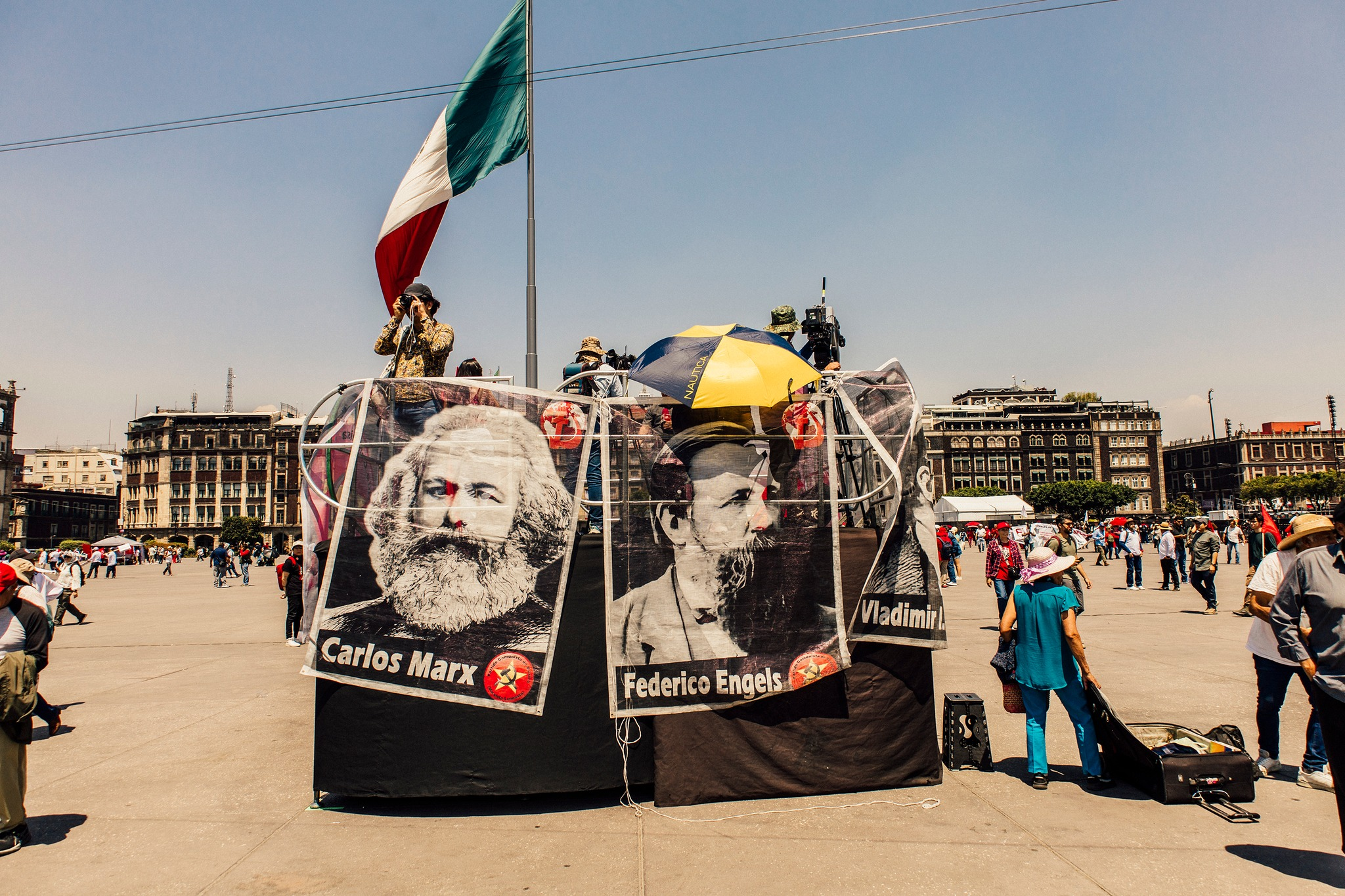
[…] colonial, neocolonial and imperialist domination, dependency, underdevelopment, the existence of indigenous ethnicities, the presence of masses of descendants of slaves brought from Africa, descendants of Chinese laborers and immigrants of other origins, shaped social and state structures, fused an ethnic and cultural mosaic, and generated social contradictions different from those studied by Marx, Engels and Lenin.
Last Words
Treating Latin American Marxism in its threefold sense is a more comprehensive way of understanding what would otherwise be a mere descriptive and normative compilation of historically significant events in the region, or, at best, a “theoretical-methodological” approach that, however rigorous, inevitably leads us into the dark dungeons of mere theoreticism. That said, Marxisms in Latin America are neither univocal nor certain in the sense of providing an infallible criterion of truth. History is young, and it is essential to remember that battles are not won alone or in isolation. Latin American Marxisms remain open, and there is no mistake in sharing the battlefield with our natural allies: anarchisms, anti-capitalist feminisms, and radical republicanisms.
- José M. Aricó. Marx y América Latina. México, Fondo de Cultura Económica, 2010, p. 79 ↩︎
- Michael Löwy. El marxismo en America Latina. Antología, desde 1909 hasta nuestros días. Chile, LOM, 2015, pp. 9-10. ↩︎
- The term “autonomous expression of the political” does not imply a separation or abstraction of class practices in the political arena from ideological, legal, moral, and cultural expressions, much less from structural situations expressed in the economic sphere, as some post-Marxist positions propose. This autonomous expression of the political implies a temporal overdetermination in which the political rises to the forefront to reshape the relationships between other instances . ↩︎
- Let us recall that for Vânia Bambirra and Theotônio dos Santos: “[…] the concept of strategy refers to defining the character of the revolution, the main enemy, the allies, and the forces available to the revolutionary party and the class they represent, in order to deploy them in the struggle in the best possible way to achieve the ultimate goal: the seizure of power. Tactics correspond to the maneuvers, alliances, compromises, and partial movements that these organizations carry out in order to achieve the strategic objectives that guide them.” Vânia Bambirra and Theotônio Dos Santos, La estrategia y la táctica socialistas de Marx y Engels a Lenin, Volume 1 , Mexico, Ediciones Era, 1980, p. 12. Martha Harnecker shares a similar opinion, maintaining that: “[…] from a military point of view, tactics consist of the various operations or concrete measures adopted to carry out the strategic plan.” Martha Harnecker, Estrategia y táctica. Chile, Ediciones Antarca, 1985, p. 46. ↩︎
- Ralph Miliband aptly stated that: “[…] treating a part of the state—commonly, the government—as if it were the state itself introduces an important factor of confusion into the examination of the nature and incidence of state power, which can have major political consequences. Thus, for example, if one believes that the government is, in effect, the state, one may also believe that assuming governmental power is equivalent to acquiring state power. Such a belief, based, as it is, on broad assumptions about the nature of state power, exposes us to great risks and disappointments.” Ralph Miliband, The State in Capitalist Society, Mexico City, Siglo XXI Editores, 1985, p. 50 . ↩︎
- Louis Althusser. Crítica a la exposición de los principios marxistas. Buenos Aires, Antigua Casa Editorial Cuervo, 1976 ↩︎
- Nolberto Tlacaelel Acosta Pérez. 2024. “Introducción metodológica al estudio del marxismo latinoamericano”. Utopía Y Praxis Latinoamericana 29 (106), e12602095. ↩︎
- Let us recall that for Lenin, the fundamental aspect that separates a Marxist from a non-Marxist is that the former sees the socialist transition toward the withering away of the state—that is, the dictatorship of the proletariat—as necessary, while the latter, although they may recognize the “class struggle,” believes that there can be a peaceful path to democracy. VI Lenin. State and Revolution. Mexico, Ediciones El Caballito, 2015 . ↩︎
Tlacaelel Acosta is a PhD candidate in Latin American Studies at the National Autonomous University of Mexico (UNAM).
-
China Accuses the US of Dividing Mexico over Trade Dispute
China’s embassy described the US comments as an expression of “supremacy and hegemony” and asserted that they sought to discredit the economic cooperation between Mexico and China.
-
Sheinbaum Meets Privately with Maru Campos on Her Arrival in Ciudad Juárez
If any law was broken in the drug operation involving CIA agents in Chihuahua, those responsible, including state officials, must be prosecuted, the two agreed.
-
Beatriz Mojica: From Criticizing AMLO to Coordinating Morena in Guerrero
The senator on leave is Morena’s pick for governor of Guerrero in 2027, after a career that includes the PRD and her 2018 support for Ricardo Anaya.