Mexico’s Arbitration Board Orders Reinstallation of Honda Union Leader Fired in 2010
This article by Arturo Rivero originally appeared at Lafuentelaboral on May 18, 2026.
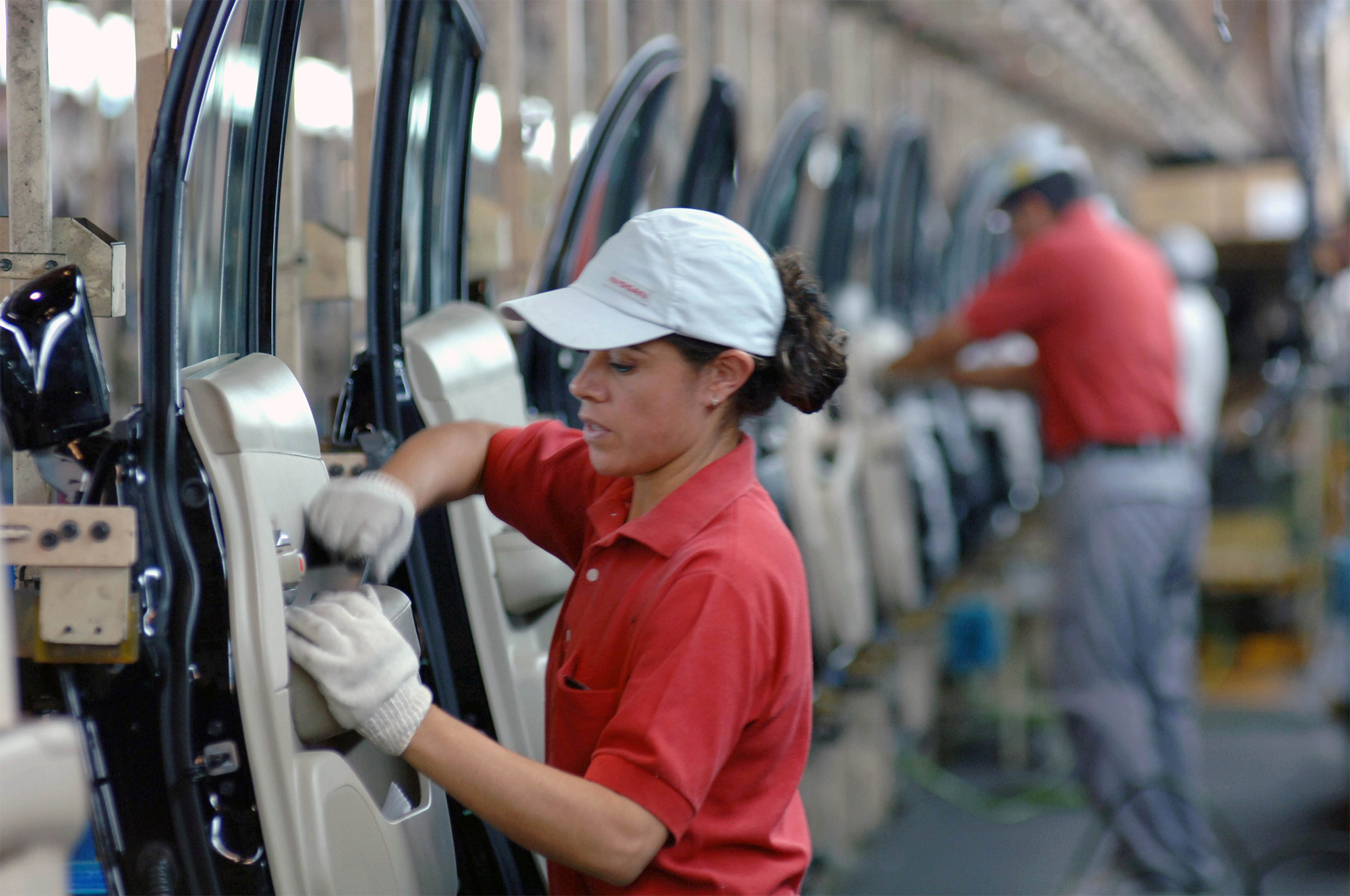
The Federal Board of Conciliation and Arbitration number 18 ordered the reinstallation of Jose Luis Solorio Alcala, former leader of the Union of Workers United of Honda de Mexico (STUHM), fired in 2010 along with other workers after the creation of an independent union at the Honda plant located in El Salto, Jalisco.
The resolution was made public at a conference held at the Center for Reflection and Labour Action, the organization that legally accompanied the case. The company can still promote an amparo trial against the resolution.
Solorio Alcala noted that the labour conflict started after a group of workers promoted the formation of the STUHM to dispute the contractual ownership of the Syndicate of Employees and Workers in Structure, Motor and Industrial Armour (SETEAMI), affiliated with the CTM.
According to former employees, 19 employees were laid off at different times for participating in the independent union organization. The STUHM obtained its registration in May 2011.
In the press conference also attended Raúl Celestino Pallares, Raúl Rojas Gomez, Luis Gerardo Rodriguez, Eduardo Diaz and Juan Manuel Garcia, who form part of the group of former employees separated from the company.
Paul Enoc Aguirre, lawyer for former employees, indicated that the resolution in favor of Solorio Alcala represents a background within the litigation promoted by Honda’s fired workers.
Jesús Torres Nuño, former general secretary of the Euzkadi Lantera Company Syndicate, noted that various independent union organizations supported the movement of Honda workers for years.
On his part, Aldo Santana, former leader of the Unique Syndicate of Academics of the College of Bacilleres de Jalisco (SUACobaej), asked that the federal authorities act according to the law in the pending processes related to the case.
The former workers noted that during the trial’s development they carried out activities such as trade, mechanics and services, after they failed to rejoin formal employment.
-
Sheinbaum Presents Draft Decree to Force Digital Platforms to Take Down Content That Incites Violence and Hate
No fines for now: the government will talk with tech companies before publishing the decree next week, a promise made after the Coahuila school attack.
-
People’s Mañanera October 9
President Sheinbaum’s daily press conference, with comments on digital safety, IMSS-Bienestar, sovereignty, and the opposition.
-
Mexico’s Gas Reserves Would Last Only 3 Days
Cenagas director Cuitláhuac García revealed Mexico has no gas storage and imports 75% of what it consumes, after a US supply cut exposed the risk.