International Rating Agencies are Acting Against State Involvement in Mexico’s Economy
This editorial by Arturo Huerta González originally appeared in the May 19, 2026 issue of La Jornada de Oriente, the Puebla edition of La Jornada, Mexico’s premier left wing daily newspaper. The views expressed in this article are the author’s own and do not necessarily reflect those of Mexico Solidarity Media or the Mexico Solidarity Project.
International rating agencies have shown that their negative assessments and recommendations do not achieve the desired objectives of reducing the fiscal deficit, ensuring debt repayment, and decreasing the debt-to-income ratio.
On May 12, 2026 , Standard & Poor’s Global Ratings (S&P) changed Mexico’s outlook from “stable” to “negative” due to weakening fiscal flexibility, with support for PEMEX and CFE further exacerbating the country’s fiscal rigidities. S&P opposes federal government support for PEMEX and CFE, arguing that it increases debt levels and reduces the feasibility of achieving fiscal consolidation. Government support for strategic sectors is essential, given their importance in driving economic activity. PEMEX is profitable because it generates foreign exchange through exports and saves foreign exchange by promoting import substitution of gasoline in the case of refineries. Support for and development of CFE is fundamental for ensuring the supply of affordable energy necessary for economic development. This translates into greater income growth for businesses and individuals, which will increase tax revenue, preventing a widening fiscal deficit and debt-to-equity ratio. The pressures on public finances and debt are not so much due to the bailouts of PEMEX and CFE, but rather to the high interest rate set by Banxico [Mexico’s central bank – editor], which increases the cost of servicing public debt.
The government is contracting spending in a context of declining private sector consumption and investment, coupled with a trade deficit. This will continue to restrict economic activity and job creation, and will persist in putting pressure on public finances and public and private debt
Standard & Poor’s lowered Mexico’s rating “largely due to weak economic growth, which would lead to a faster-than-expected increase in public debt levels and a greater interest burden.” This position fails to consider that the weak economic growth is a direct result of the rating agencies’ own recommendations that the government should restrict its spending and investment to avoid falling into a fiscal deficit and accumulating more debt. This demonstrates that simply cutting spending does not reduce the fiscal deficit and debt. A business or a family may have to cut spending to pay their debt, but this is not appropriate for a government. Its spending is so substantial that cutting spending contracts the economy and, consequently, tax revenue. The government then has to increase social spending and public security to counteract the poverty and crime generated by the economic contraction caused by the reduction in public spending, thus perpetuating the fiscal deficit and increasing the debt-to-GDP ratio.
S&P also downgraded the ratings of Mexican state governments, stating that “the dependence of local Mexican governments on federal fiscal transfers and their limited capacity to mitigate interventions from higher levels of government prevent them from achieving ratings above those of the sovereign.” In this regard, it should be noted that this dependence on government transfers is a result of the low revenues collected by the states due to the economic slowdown stemming from federal budget cuts imposed by international rating agencies.
Debt is not inherently bad; it is necessary to stimulate production and generate the revenue required to repay it.
The rating agency indicated that “in the next 24 months, we could downgrade Mexico’s rating if it fails to reduce its fiscal deficits in time to stabilize and contain public debt, interest payments, and contingent liabilities.” The problem is that this will not be achieved with S&P’s recommendations to restrict public spending. It’s important to remember that spending generates revenue, so the government needs to spend more to reactivate the economy and thus be able to collect more taxes to reduce the deficit and debt.
In response to S&P’s assessment, the Ministry of Finance and Public Credit (SHCP ) stated that it has been improving public finances, noting that in the first quarter of 2026, it achieved a primary surplus of 98 billion pesos, spending less than revenue collected (excluding debt service payments), in order to avoid incurring more debt. This reflects the government’s adherence to rating agencies’ recommendations, at the cost of sacrificing economic growth, which explains the 0.8% decline in growth during that period. The government is contracting spending in a context of declining private sector consumption and investment, coupled with a trade deficit. This will continue to restrict economic activity and job creation, and will persist in putting pressure on public finances and public and private debt. Given this situation, rating agencies will continue to downgrade the country’s rating due to low economic growth and pressure on public finances, without acknowledging the ineffectiveness of their recommendations in ensuring debt repayment. Their aim is to continue pressuring the government to stop supporting PEMEX and CFE so that the private sector can invest in and control these companies, demonstrating that they respond to the interests of big capital, and therefore the government should ignore the recommendations of the rating agencies.
The Ministry of Finance and Public Credit (SHCP) has indicated that public debt will reach 54.2% of GDP in 2026, a manageable figure, below the average level of African countries (67%) and European countries (88.5%). Debt is not inherently bad; it is necessary to stimulate production and generate the revenue required to repay it.
-
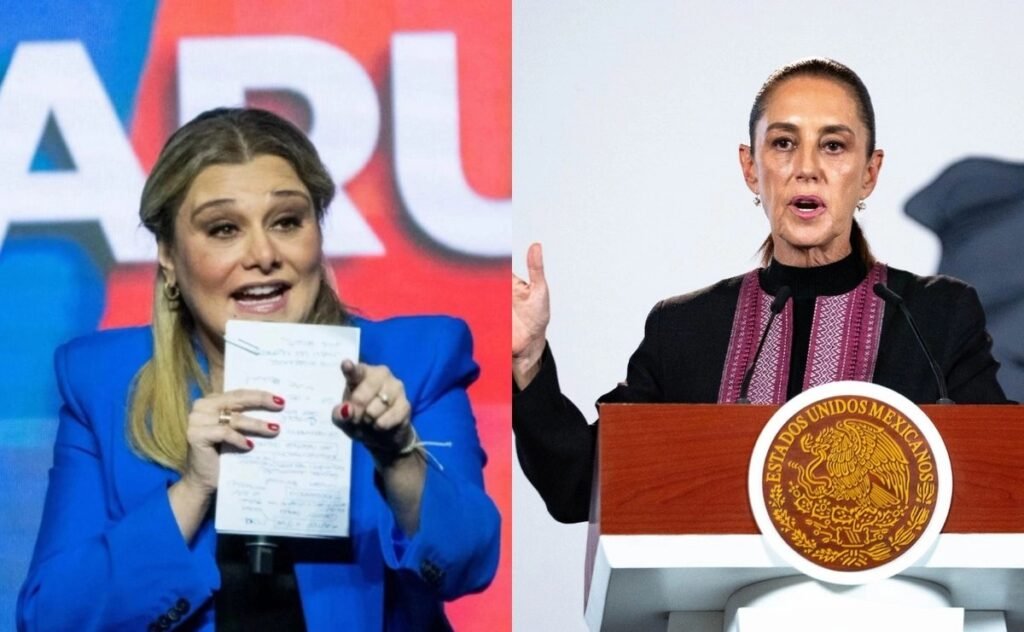
Sheinbaum Meets Privately with Maru Campos on Her Arrival in Ciudad Juárez
If any law was broken in the drug operation involving CIA agents in Chihuahua, those responsible, including state officials, must be prosecuted, the two agreed.
-
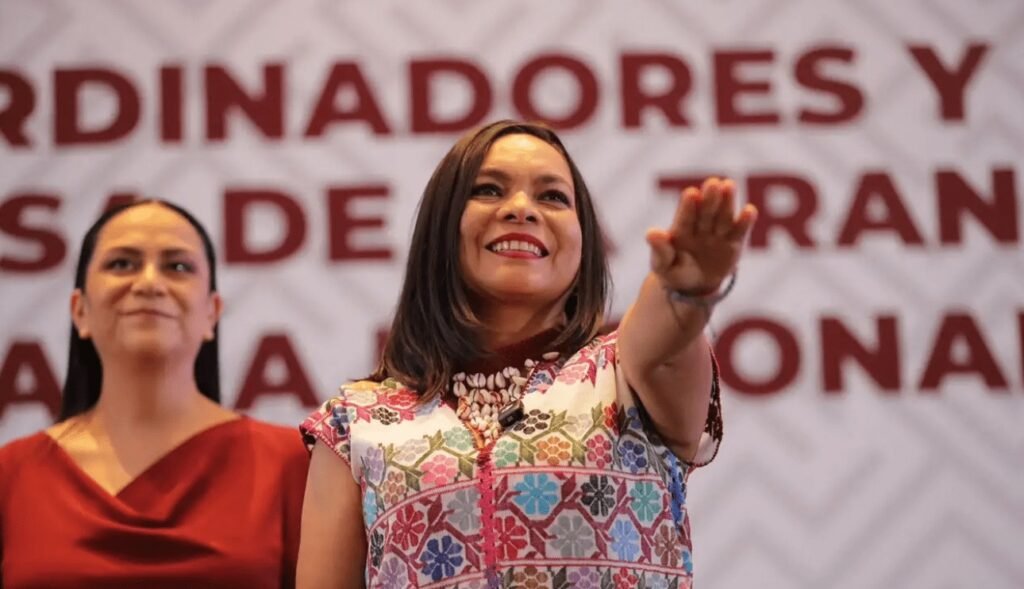
Beatriz Mojica: From Criticizing AMLO to Coordinating Morena in Guerrero
The senator on leave is Morena’s pick for governor of Guerrero in 2027, after a career that includes the PRD and her 2018 support for Ricardo Anaya.
-
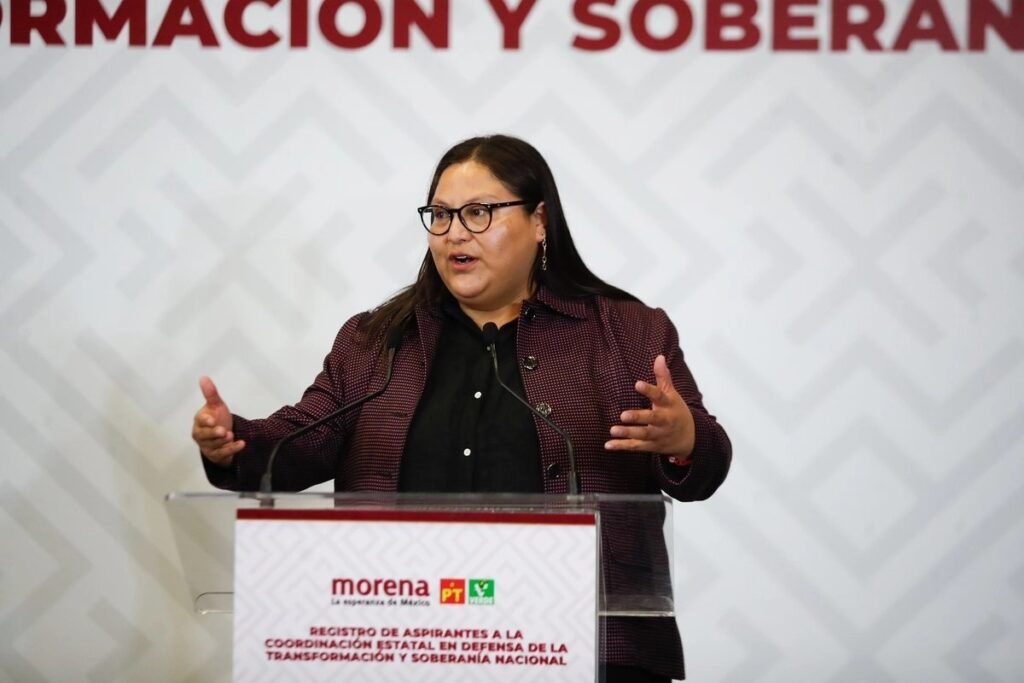
Morena’s Elections Commission Chief: Differences Are Natural to a Living Party
Amid criticism over the 10 chosen profiles, Citlalli Hernández, president of Morena’s National Elections Commission, defended the differences as natural to a living party.