Inflation & Subsidies
This column by Arturo Huerta González originally appeared in the May 26, 2026 issue of La Jornada de Oriente, the Puebla edition of La Jornada, Mexico’s premier left wing daily newspaper. The views expressed in this article are the author’s own and do not necessarily reflect those of Mexico Solidarity Media or the Mexico Solidarity Project.
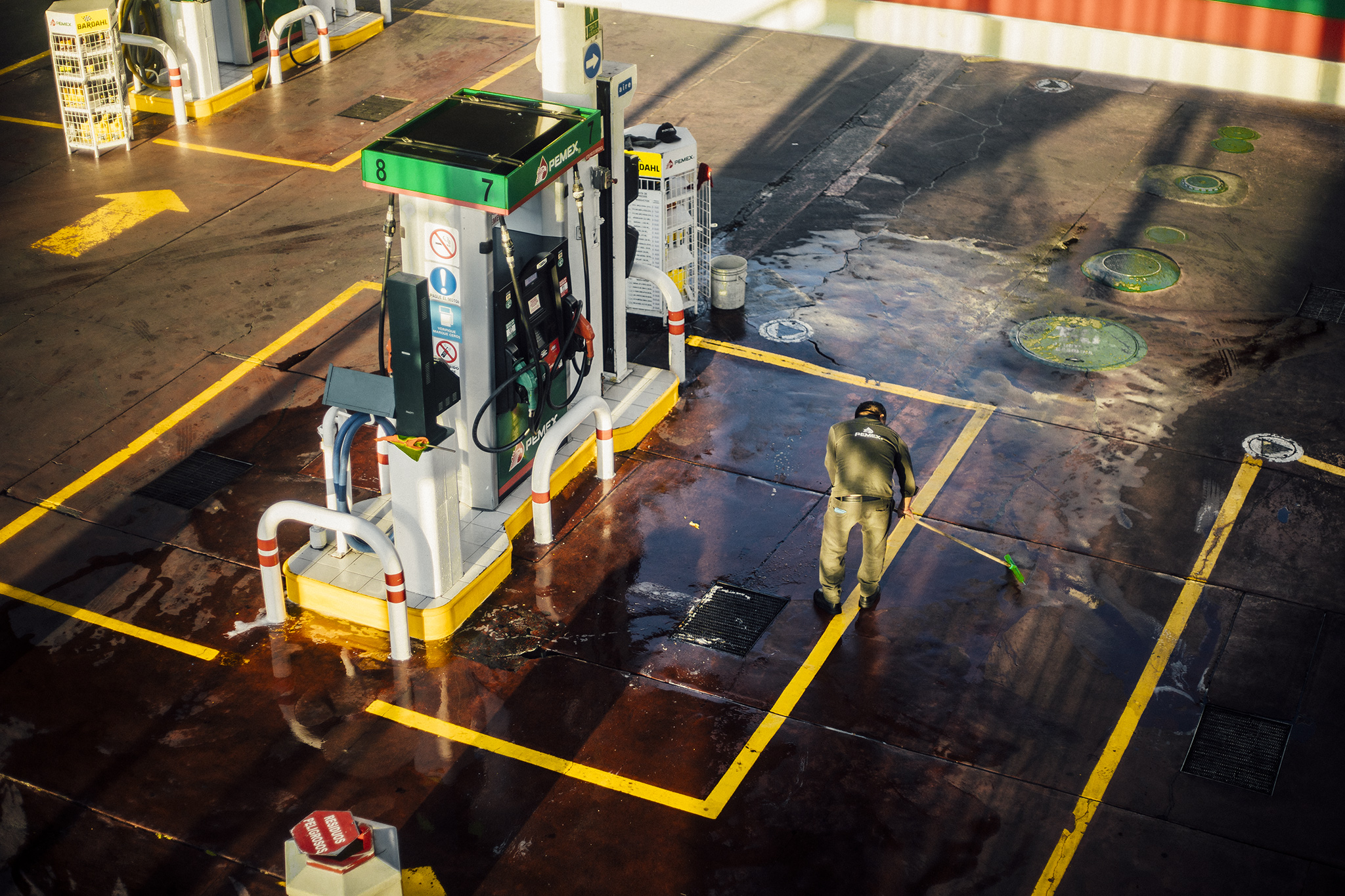
[Mexico’s] Secretariat of Finance and Public Credit (SHCP) has increased subsidies for gasoline and diesel. While this prevents the rise in international prices of these fuels from impacting national inflation, it comes at the cost of increased pressure on public finances and debt. This reduces the capacity for public investment, which could be better channeled into developing refineries to advance import substitution of these products and thus reduce their vulnerability to international price fluctuations. This would also reduce the foreign trade deficit and the need for capital inflows, allowing for a lower interest rate to be used to promote such inflows. In other words, by reducing the foreign trade deficit and external financing, interest rates could be lowered and public spending increased to promote economic growth and employment.
In Asian and European countries, food prices are already rising due to shortages caused by increased fertilizer costs. The British government has implemented price controls on bread and eggs and has reached agreements with large retailers to prevent price increases on basic goods. In fact, the Mexican government has been implementing this policy with large retailers for some time. The problem is that this does not address the root causes of inflation. Policies aimed at import substitution and increasing supply to lower inflation are not being implemented. Companies may keep the prices of basic goods stable, but they increase the prices of other goods to avoid disrupting their accumulation of wealth, thus perpetuating inflation.
The government is not addressing the structural shortcomings present in the manufacturing industry and in basic grains that have led us to inflationary pressures, dependence on imports and the entry of [foreign] capital.
It’s important to consider that Mexico imports 56% of the staple grains it consumes, so the increased cost of these imports will affect national inflation. Until now, the appreciated exchange rate (a cheap dollar) has reduced the cost of imports, which have displaced domestic producers, thus contracting domestic production. The economy has fallen into a vicious cycle of dependence on imports and capital inflows, for which high interest rates and fiscal austerity are maintained, both of which are detrimental to national production. The problem will soon become more acute when imports become expensive, and the rise in energy and other commodity prices will further increase interest rates, slow global economic activity, and impact capital and currency markets, putting pressure on the exchange rate. This will make imports even more expensive and increase national inflation. The problem is that the government is not addressing the structural shortcomings present in the manufacturing industry and in basic grains that have led us to inflationary pressures, dependence on imports and the entry of [foreign] capital.
The price of energy, fertilizers, food, and many other inputs and products will remain above pre- February 28, 2026 levels for some time, and the longer the war in the Middle East lasts, the longer the price pressures will persist, impacting interest rates, economic dynamics, and capital and foreign exchange markets.
The Mexican government cannot ignore international events and continue its policy of budget cuts. Banxico cannot persist with high interest rates and a cheap dollar, as this discourages investment in industry and basic grain production, leaving us subject to the international context of price fluctuations and capital flows. This places us in a highly fragile and vulnerable position, leading to further underdevelopment.
To create an environment of economic growth with low inflation, financial stability, and high employment, economic policy must stop favoring the financial sector and instead focus on the productive sector and employment. This requires low interest rates, increased public spending, a competitive exchange rate, and tariffs to reduce imports, the external deficit, inflation, and unemployment, while also ensuring debt repayment conditions.
-
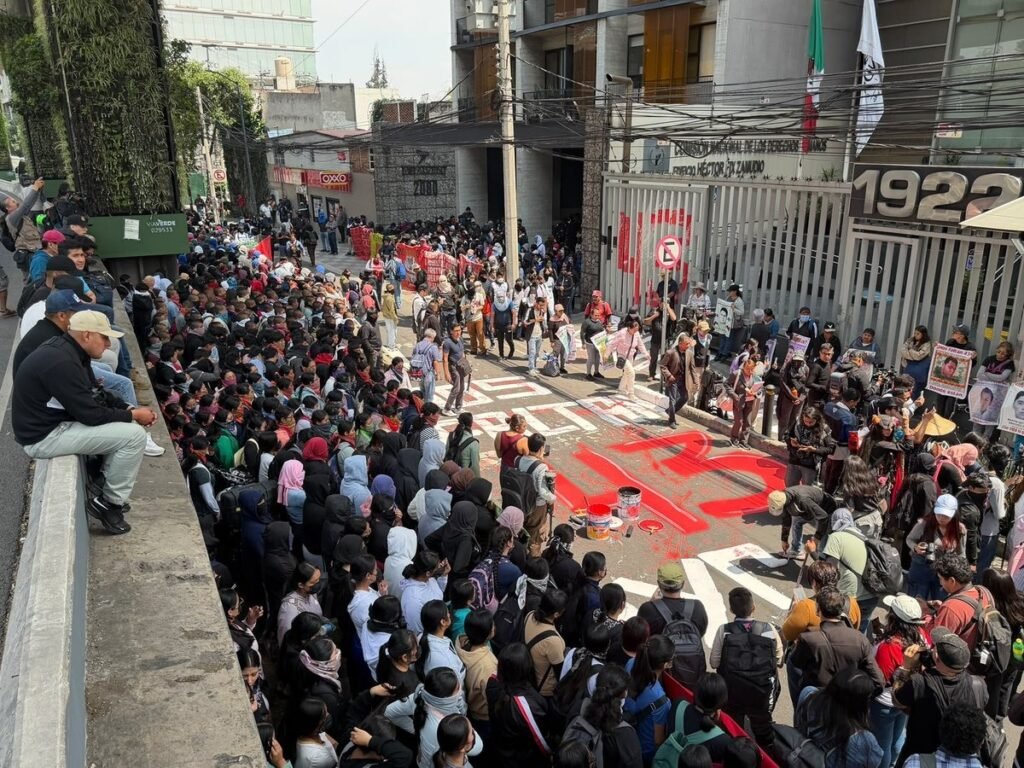
Ayotzinapa Case: The Report on the New Lines of Investigation Will Be on Monday, Sheinbaum Announces
Parents of the 43 protested the Army’s exoneration outside the CNDH; officials will now detail new arrests, searches and cellphone-data leads.
-
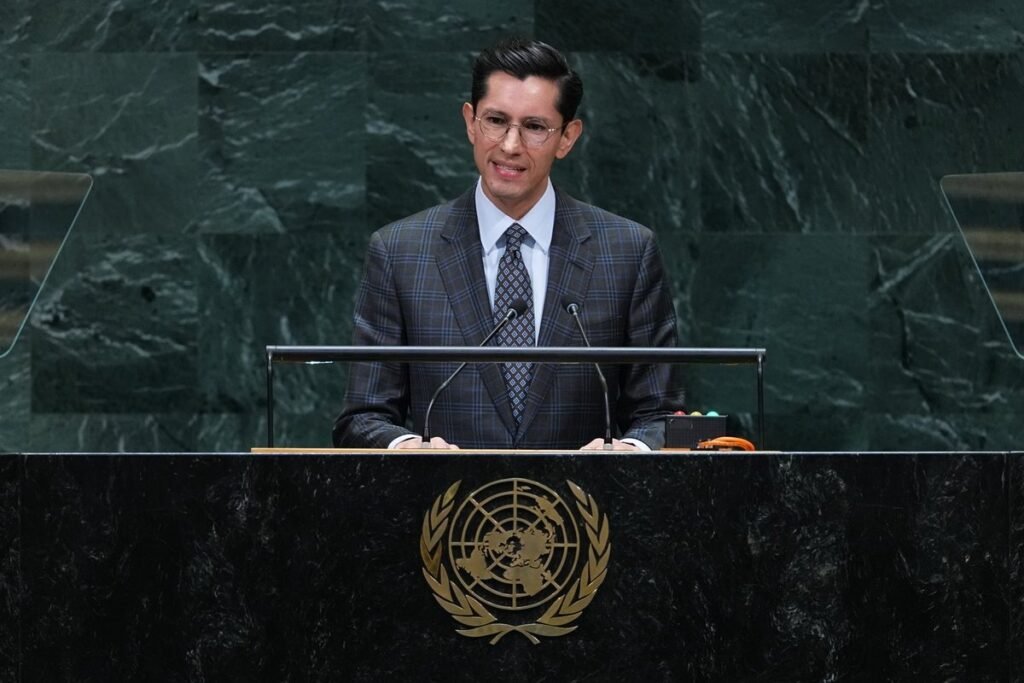
Mexico at the UN: Velasco Defends Sovereignty and Calls for Renewing the Organization; Reiterates Support for Cuba and Recognition of Palestine
Speaking for Sheinbaum, the foreign minister said Mexico’s Constitution already embodies the UN Charter and that it is time for a woman to lead the UN.
-
People’s Mañanera September 25
President Sheinbaum’s daily press conference, with comments on crime in Tabasco, tourism, jobs, the World Cup, and Ayotzinapa.