Sighting of Wood Storks Recorded for the First Time at Mexico’s Lake Texcoco
This article by Javier Salinas Cesáreo originally appeared in the November 10, 2026 edition of La Jornada, Mexico’s premier left wing daily newspaper.
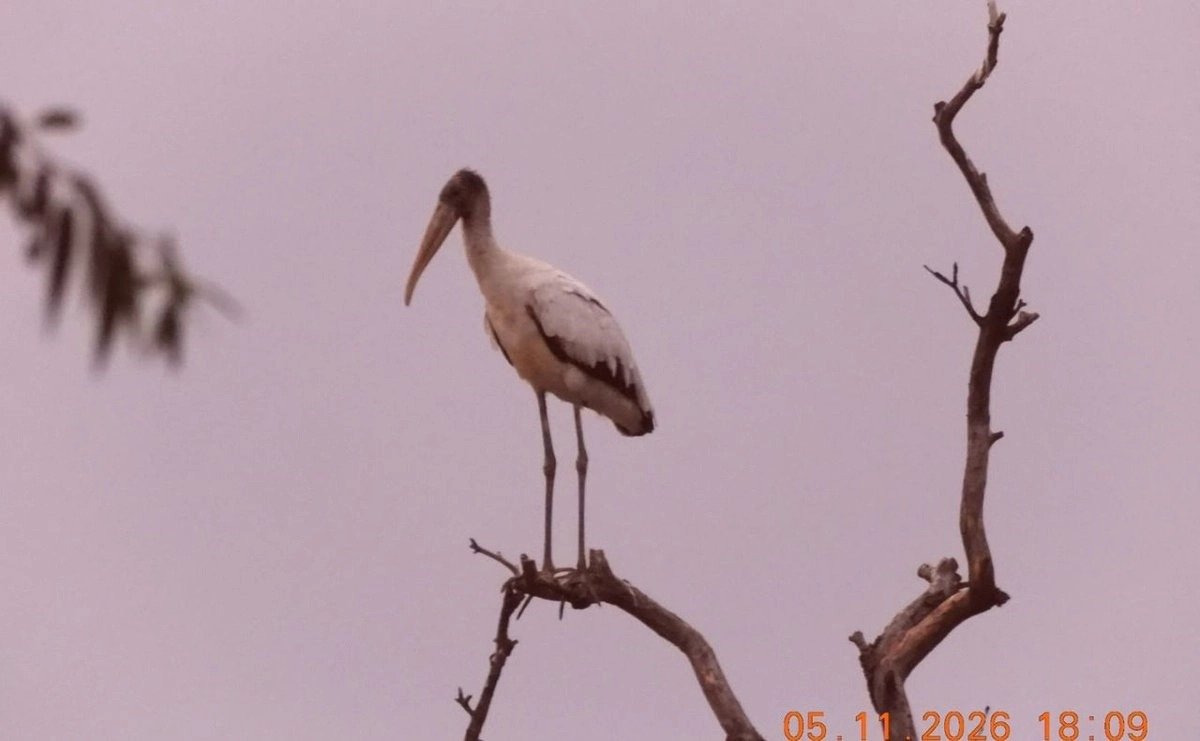
Texcoco, State of Mexico. For the first time, a sighting of wood storks was recorded in the Lake Texcoco Protected Natural Area; a species that historically did not appear in reports of birds present in this ecosystem, so its appearance opens up the possibility that this space could serve as a temporary winter resting site during its movements.
With this record, there are now 20 bird species that have returned to Lake Texcoco after having stopped coming because of the drying caused by the failed construction of the New Mexico International Airport (NAIM), or that are arriving in the area for the first time.
Jorge Daniel Fonseca Cando, director of the Lake Texcoco Protected Natural Area, explained that thanks to the work to recover and rehabilitate the lake, and because more than 4,700 hectares were flooded during this year’s rainy season, bird migration has increased.
He explained that a few days ago, during a patrol by PROREST’s Community Surveillance and Monitoring Brigade, they managed to spot two juvenile wood storks (Mycteria americana) near one of the ditches in the agricultural area of the San Salvador Atenco ejidos, Atenco.
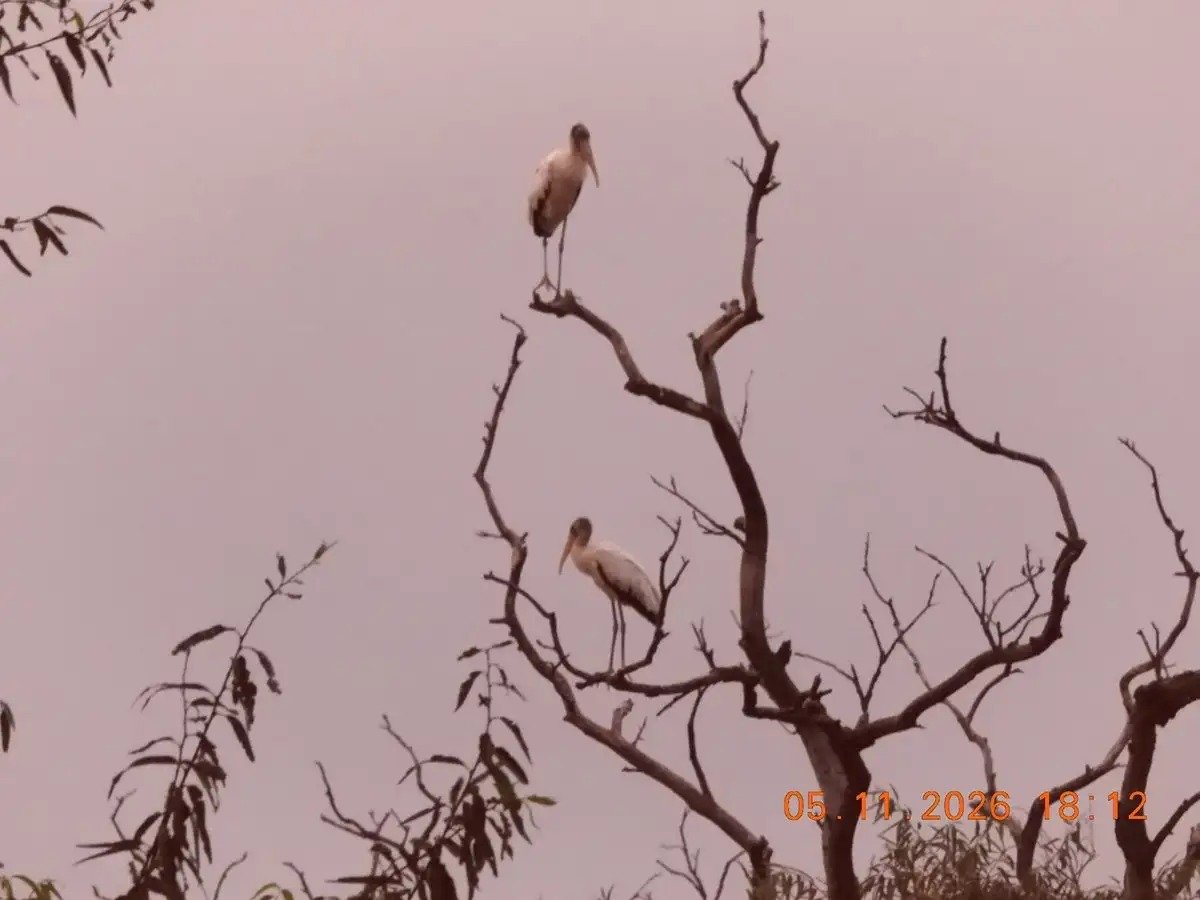
He noted that the wood stork is a species that had not been recorded in the Management Program for the Lake Texcoco Natural Resources Protection Area and that it represents a new record.
“The sighting of this and other species is an indicator of the degree of restoration achieved over these years, and we will continue contributing to the recovery of the habitat of various species,” he said.
He emphasized that most of the 4,700 flooded hectares are concentrated in bodies of water such as Lake Nabor Carrillo, with more than 900 hectares, the area known as the airport terminal’s X, with 750, Ciénaga de San Juan, with 700, Xalapango Lagoon, with 350, and the Caracol area in Ecatepec, with 350 hectares.
He added that, with the favorable water quality conditions and the appearance of species, there is a record of more than 290,000 migratory and native birds from 285 species. Some of the species present include the swallow-tailed gull, aplomado falcon, least grebe, streaked flycatcher, black-faced jay, wood stork, American white pelican, American bittern, American wigeon, rufous hummingbird and “pato bólido menor,” among others.
He recalled that this year, too, thanks to rehabilitation work and water quality, the mexcalpique fish, a species endemic to this region, began to increase its presence, being recorded across more than 1,200 hectares.
-
Nadia Beller, Ex-Partner of Cerimedo, Leaves Bolivia Bound for Mexico. She Is Granted Safe Conduct
Mexico granted her asylum after she reported police harassment, months after surviving a shooting allegedly ordered by the Argentine consultant.
-
The American Dream Is Not Dead
An editorial on why the American Dream endures: the poverty and violence driving migration persist while U.S. and Mexican policies fail migrants.
-
Mexico’s Formal Employment Reaches Historic High of 23.08 Million Jobs
Platform workers covered by the new labor reform now top 1.7 million, while the average daily wage hit 664.7 pesos, a record for October.