Mexico City Landgrabs: 94 Properties Recovered, Six People Arrested
Mexico City has been plagued with high-profile night raids by criminal gangs, sometimes accompanied by police, invading and capturing properties throughout the capital.

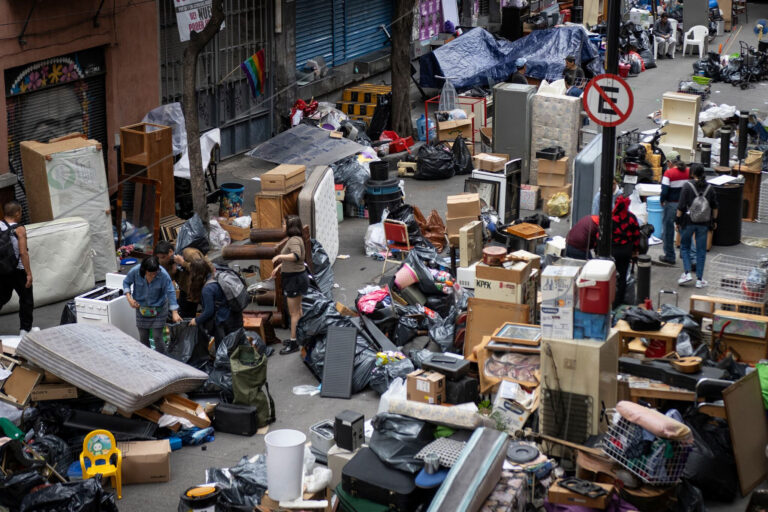
Mexico City has been plagued with high-profile night raids by criminal gangs, sometimes accompanied by police, invading and capturing properties throughout the capital.
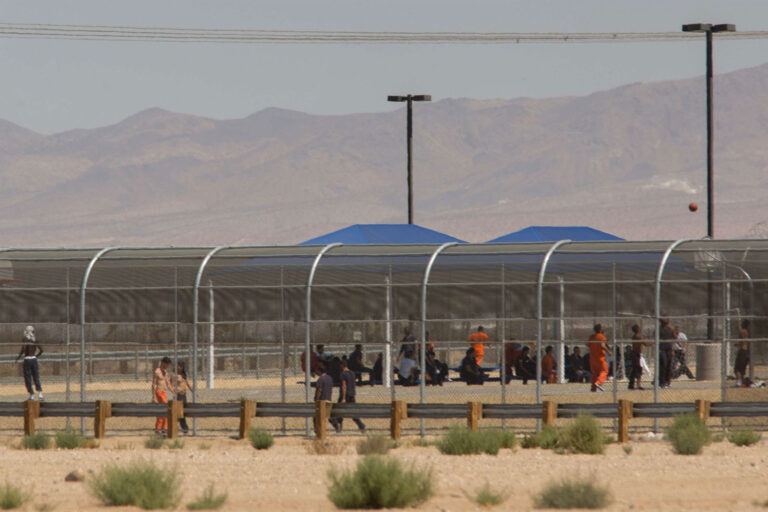
The unidentified man is the fifth person to die in ICE custody since the beginning of this year.
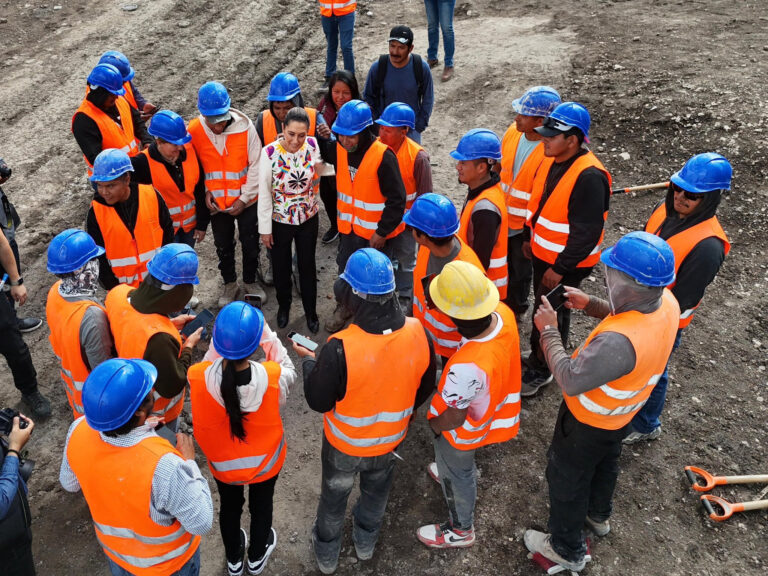
President Sheinbaum’s daily press conference, with comments on gringo chicken invasion, USMCA renegotiations and electoral reform.
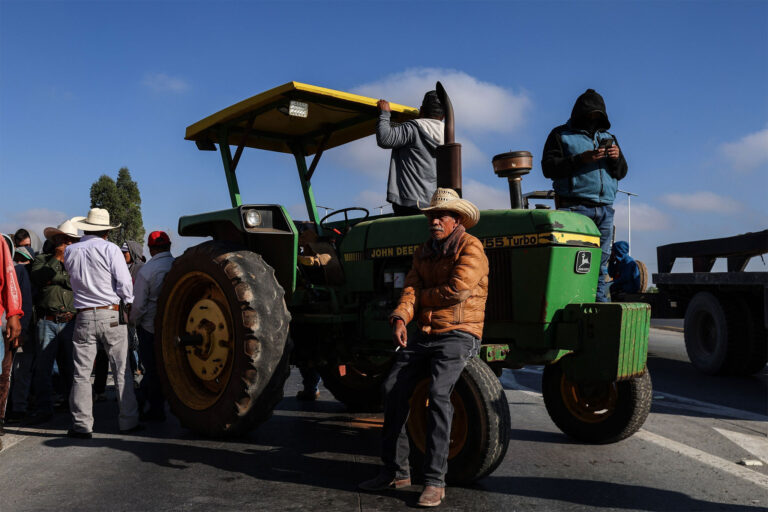
Mexican agriculture remains in crisis: 10 million tons of grain can’t be sold, the government is not meeting agreements while US dumping destroys the market & even limits access to credit to help farms last another season.
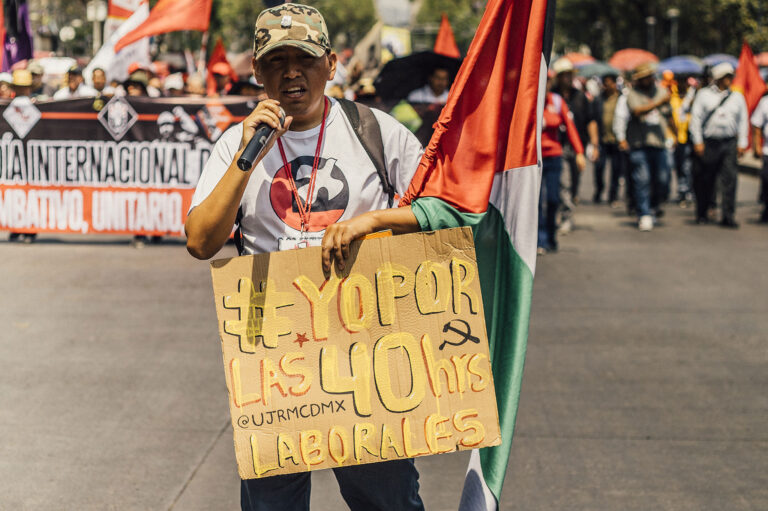
In the face of President Sheinbaum’s roundly criticized workweek reform proposal, considered excessively flexible & accommodating to capital & the danger to workers from USMCA renegotiations Mexican labour isn’t standing still.
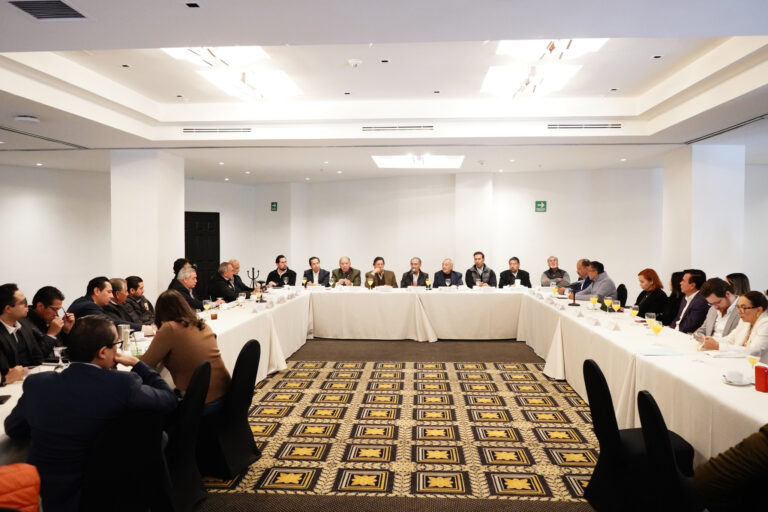
The bloc announced it will intensify regional meetings & coordination efforts, towards consolidating a unified trade union front.
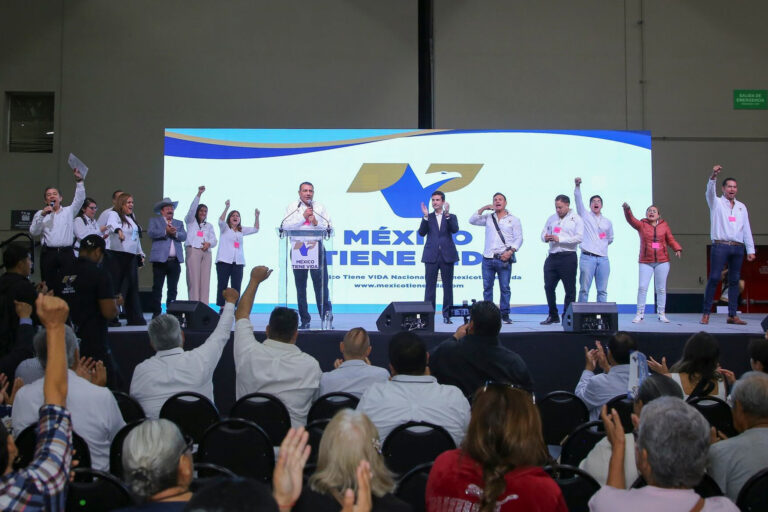
Amongst other political malformities, two evangelical groups are set to become national political parties in Mexico, one with ties to the US ultra-right and the israeli government.

The US Constitution denies universal and equal rights at home and protects the military behemoth that denies the same rights abroad. A democratic constitution would create a new political playing field and strengthen the movement to dismantle the imperial war machine.

In his view, Mexico’s national political and economic elite has failed to assume its responsibility to design a strategy toward China and Asia.
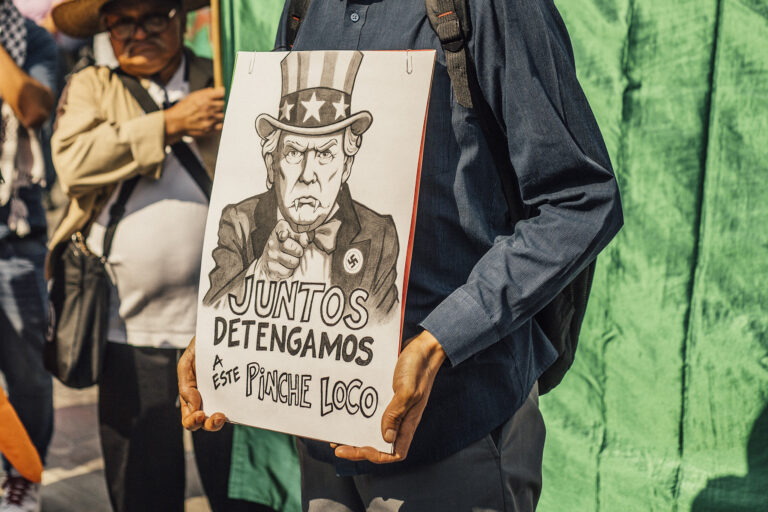
When the world can watch a genocide unfold in real time, when the empire brazenly kidnaps a head of state, when multilateral institutions only muster mealy-mouthed statements in response, it becomes undeniable that only the people save the people.