Business & Obesity
This article by Alejandro Calvillo originally appeared in the March 14, 2026 edition of Sin Embargo.
Imagine the lucrative business of producing a drug to combat obesity in a population where obesity has become an epidemic. On the one hand, a group of large transnational corporations have altered the population’s eating habits through foods designed to be addictive, displacing the consumption of natural foods and traditional diets, thus generating a massive obesity epidemic. On the other hand, large transnational pharmaceutical companies have also developed new drugs to combat this obesity. The business is as lucrative as obesity itself, and everything remains within the purview of the transnational corporations that make us sick and then offer to cure us.
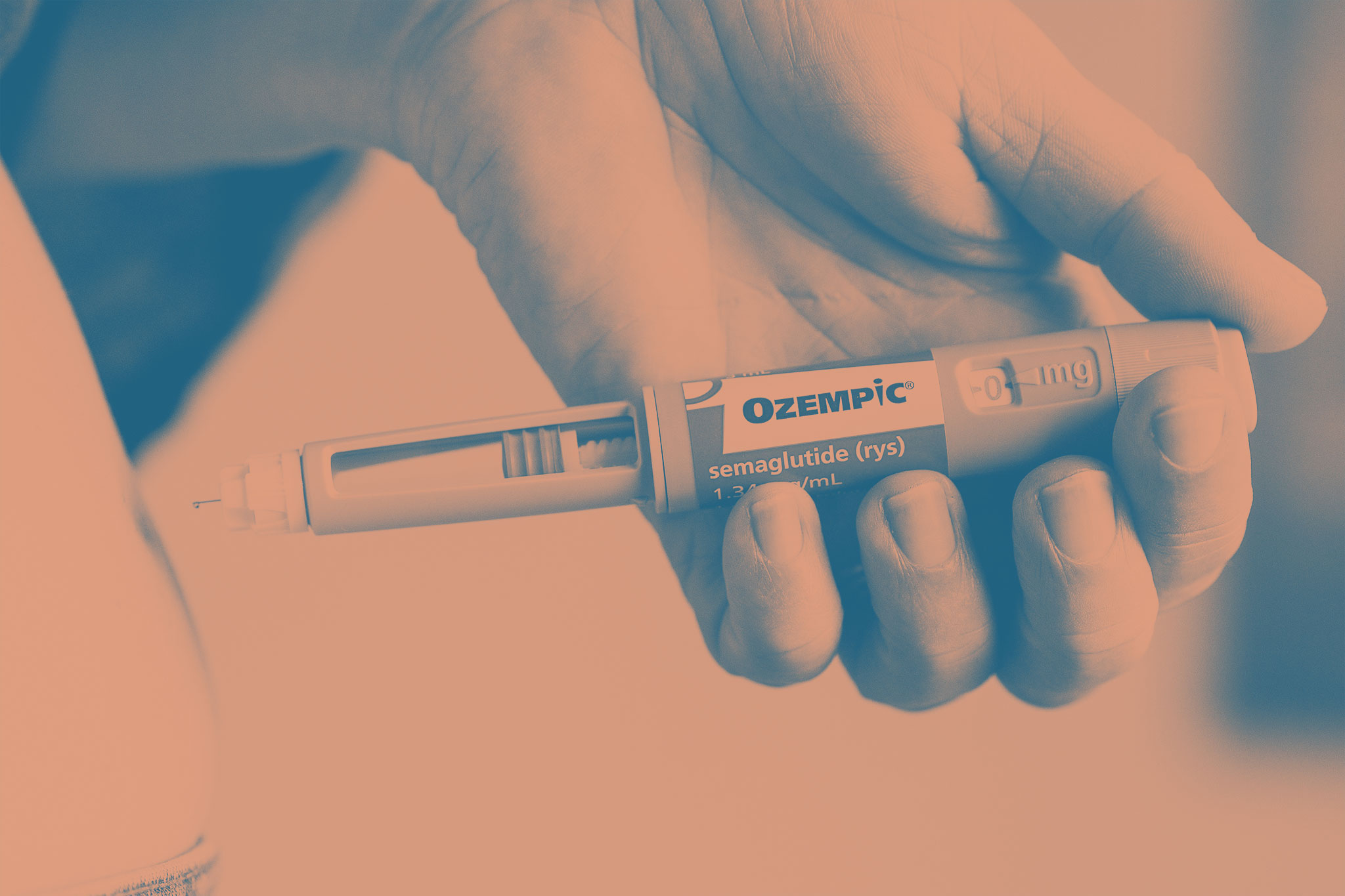
Currently, in the American hyper-consumer society, one of the most heavily advertised products on television is weight-loss medication like Ozempic. Years ago, advertising to combat obesity, which was already becoming a serious problem in the American population, offered various diets, exercise routines, or programs that combined both. In the 1960s, Weight Watchers, a program that offered a weight-loss method based on behavioural guidelines, became world-famous by establishing a “points system, group support, and nutritional education.”
Now, obesity is treated with medication, not with dietary changes or lifestyle modifications. Like any new product, these medications have been introduced to the market with assurances that they pose no risk. Like many other products, they are marketed to a specific population—in this case, people with advanced obesity and/or comorbidities. Ultimately, what pharmaceutical companies want is for these medications to be purchased and consumed by people whose level of obesity doesn’t justify their use and…their risks.
Those who take these medications must do so for life, at least according to scientific research. The pharmaceutical industry’s dream isn’t to cure, but to have lifelong patients. And bad habits are combated not by changing those habits, but by introducing new products. A recent study published in the British Medical Journal confirms that the use of GLP-1 receptor agonists , which help control blood sugar and reduce appetite, such as Ozempic (Semaglutide), Wegovy, Saxenda (Liraglutide), and Mounjaro (Tirzepatide), results in a greater rebound effect upon discontinuation than the effect of stopping a weight-loss diet. In other words, weight is regained, and more quickly than when a weight-loss diet is stopped.
A few days ago, on February 27, the Pan American Health Organization/World Health Organization published an epidemiological alert on the use of these medications, calling on governments to: “implement risk communication actions directed both at the general population—to promote the appropriate use of these medications—and at health personnel, in order to ensure that their prescription is carried out strictly in accordance with the indications approved by national regulatory authorities, based on an individual clinical evaluation and with continuous medical follow-up.” It added that the expert committee for the Selection and Use of Essential Medicines “clearly did not recommend the use of these products in patients with obesity and without type 2 diabetes and comorbidities.”
The point is clear: these medications can only be recommended in cases of obesity with comorbidities. They are not medications for cosmetic purposes; they are medicines that can present risks.
Thus, faced with evidence of the harm caused by smoking, the tobacco industry has introduced e-cigarettes to the market, presenting them as a healthier or lower-risk option for smokers to quit. In reality, the design and marketing of e-cigarettes were intended to attract children and adolescents, encouraging them to start using these products at a younger age than they previously did when smoking tobacco, as is now happening. At the same time, there is growing evidence of the harm caused by the e-cigarettes now being used by these children in their early secondary school years. The same thing is happening with these obesity medications; it is argued that they are for extreme cases of obesity, for morbid obesity, for obesity with comorbidities.
Another example is the sugary beverage and ultra-processed food industry. The evidence of sugar’s harmful effects could no longer be denied, and the industry developed various low- or no-calorie sweeteners, presenting them as healthier options. Products have become filled with these ingredients, especially those aimed at children. They remain sweet to entice them, but without sugar. Unfortunately, in this case as well, the evidence regarding the risks of these sweeteners is growing and becoming more compelling every day.
In the United States, under the Trump administration, the pharmaceutical industry’s business has boomed by including these medications in official health programs, and pharmaceutical companies are seeking to replicate this trend in Mexico. There, these medications must be prescribed and monitored by a healthcare professional. The requirement of a prescription is no guarantee that they will only be prescribed in recommended cases and under medical supervision. We are well aware of the immense disaster the opioid market caused in the United States, stemming from its uncontrolled prescription and how, consequently, hundreds of thousands of Americans became addicted to opioids, creating a large population ripe for the introduction of fentanyl.

Alejandro Calvillo is director of El Poder del Consumidor, a non-profit civil association that works to defend the rights of the Mexican consumer, as well as a sociologist with degrees in philosophy from the University of Barcelona and environment and sustainable development from El Colegio de México
-
President Sheinbaum: Unlikely the Right Wing Will Return to Power in Mexico
The Mexican President indicated that the financial outlook is positive for the country, which demonstrates the viability of its economic model.
-
EZLN: The Nation-state No Longer Has Decision Making Power
“Sovereignty is a bad joke. They can’t say that Mexico is sovereign, even if they say so on the Mañanera, if it can’t even decide whether to send oil to Cuba.”
-
Social Programs Will Cushion Impact of Global Chaos in 2026: Mexico’s Finance Secretary
By 2026, social program spending will reach nearly one trillion pesos, with the goal of sustaining the well-being of the majority of families.