Social Programs Will Cushion Impact of Global Chaos in 2026: Mexico’s Finance Secretary
This article by Alejandro Páez Varela originally appeared in the April 3, 2026 edition of Sin Embargo.
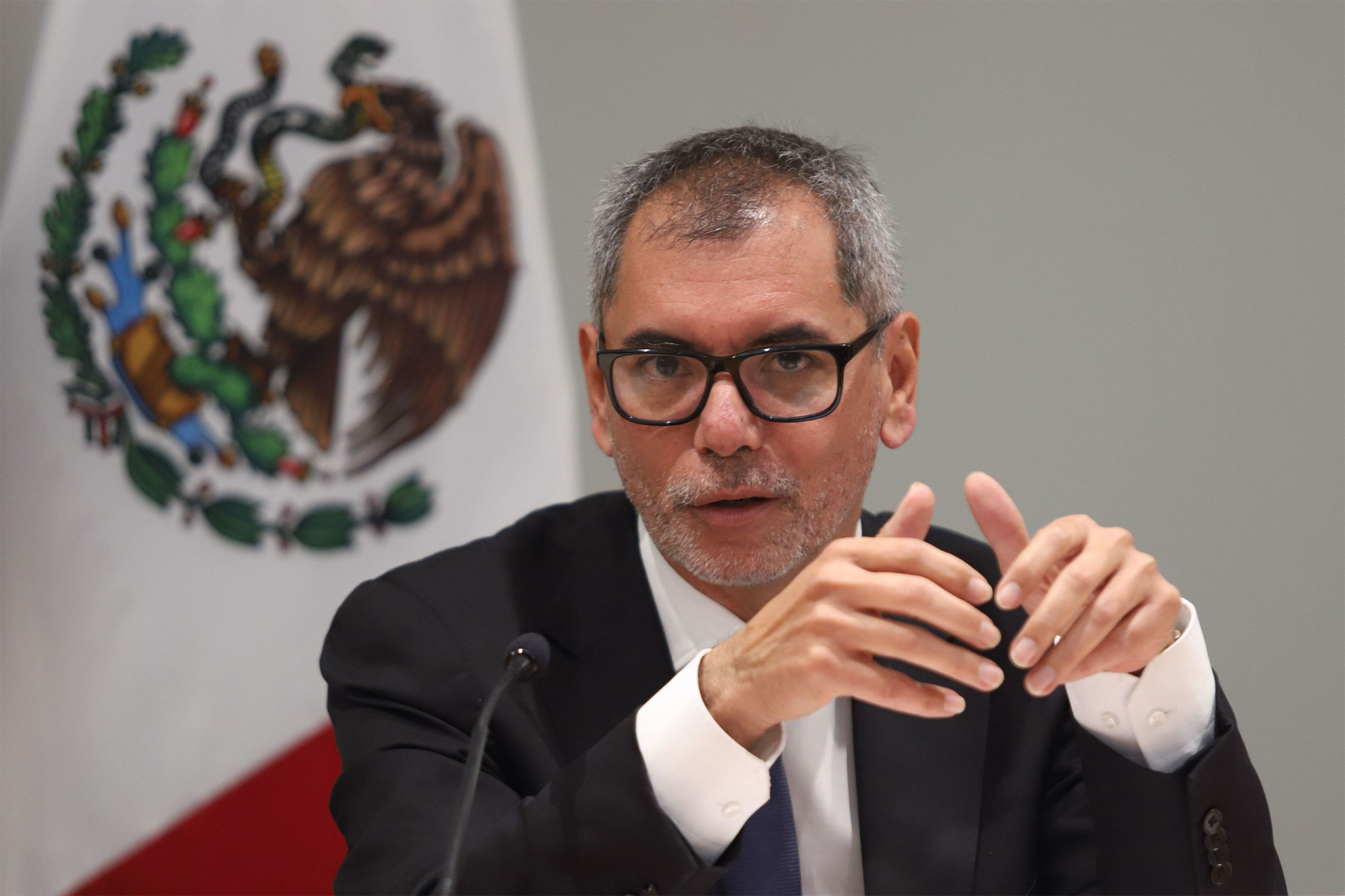
Amid an international environment marked by volatility and uncertainty, the Secretary of Finance and Public Credit, Edgar Amador Zamora, assured that the federal government is committed to strengthening the domestic market and expanding social programs as the main shield against external risks.
In an interview with Alejandro Páez, on the program Los Periodistas which is broadcast on the SinEmbargo Al Aire YouTube channel, Amador explained that when presenting the economic pre-criteria for 2027, the agency under his charge opted for growth ranges in the face of global instability.
“Given the current situation and the international outlook, which introduces a significant degree of uncertainty into the projections, we dared to propose a pre-criteria estimate range for the end of this year of between 1.8 and 2.8 percent, while for next year it is between 1.9 and 2.9 percent.”
Given this context, the Finance Secretary indicated that the economic strategy will focus on bolstering internal strengths. “We are emphasizing the most important variable at this time, which is our internal strength: domestic investment and domestic consumption, given the high volatility of the external sector,” he stated.
In that regard, he announced that the government will promote a public and mixed investment agenda to stimulate economic activity in the coming months. He emphasized that social spending will be one of the pillars of the budget.
Amador noted that more than 13.5 million Mexicans have risen out of poverty in recent years, which he attributed to the redesign of budgetary policy. He stated that by 2026, social programs will reach nearly one trillion pesos, with the goal of sustaining the well-being of the majority of families.
This strategy is complemented by a mechanism to contain energy prices through fiscal incentives. The Secretary of Finance explained that, through the IEPS subsidy, the Government has managed to prevent the international rise in hydrocarbon prices from being immediately passed on to consumers.
“Mexicans are not facing the costs and prices that other economies are facing due to the aggressive surge in oil prices thanks to this strategy to protect domestic prices.”
On the foreign policy front, the Secretary highlighted the strengthening of trade relations with the United States despite pressure from President Donald Trump. He affirmed that Mexico consolidated its position as the U.S.’s main trading partner by 2025 and will maintain that position in 2026. “We are confident that we will have a positive outcome in the trade agreement negotiations,” he added.
Regarding recent inflation, Amador specified that the increases are concentrated in agricultural products such as tomatoes, chili peppers, and squash, which are affected by climatic and seasonal factors. However, he considered it to be a temporary phenomenon.
“We are going to take action to ensure that there is a significant containment and moderation of the prices of these products in the very short term, and that we do not have a generalized rebound in inflation across the country.”
-
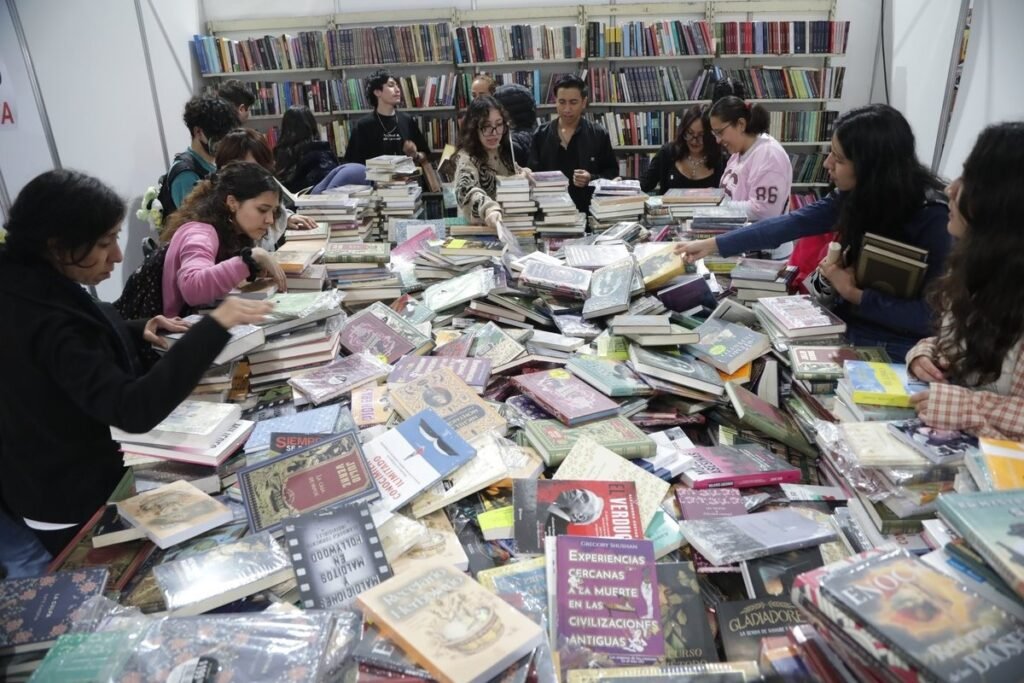
Mexican Book Fairs
“Book fairs in Mexico are among the great gatherings that speak of how a people nourishes itself on books,” observes Poniatowska.
-
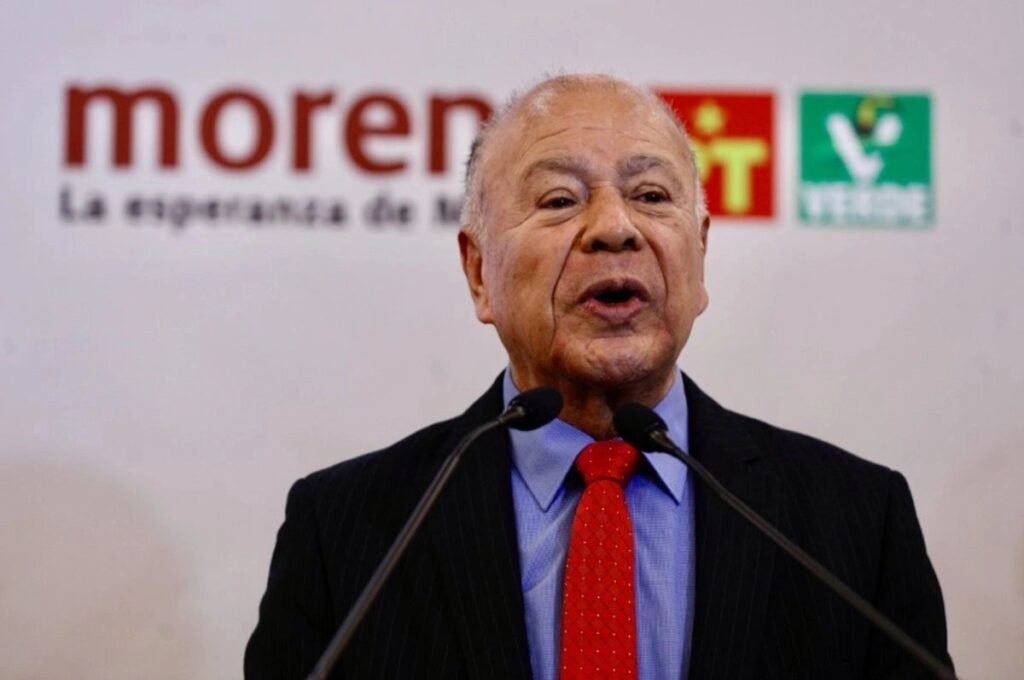
The Morena, PT, and PVEM Coalition Is Necessary to Stop the Right, Anaya Says
PT leader Alberto Anaya says there has never been a problem with Sheinbaum, while PAN’s Jorge Romero confirms an alliance with the PRI in Chihuahua.
-
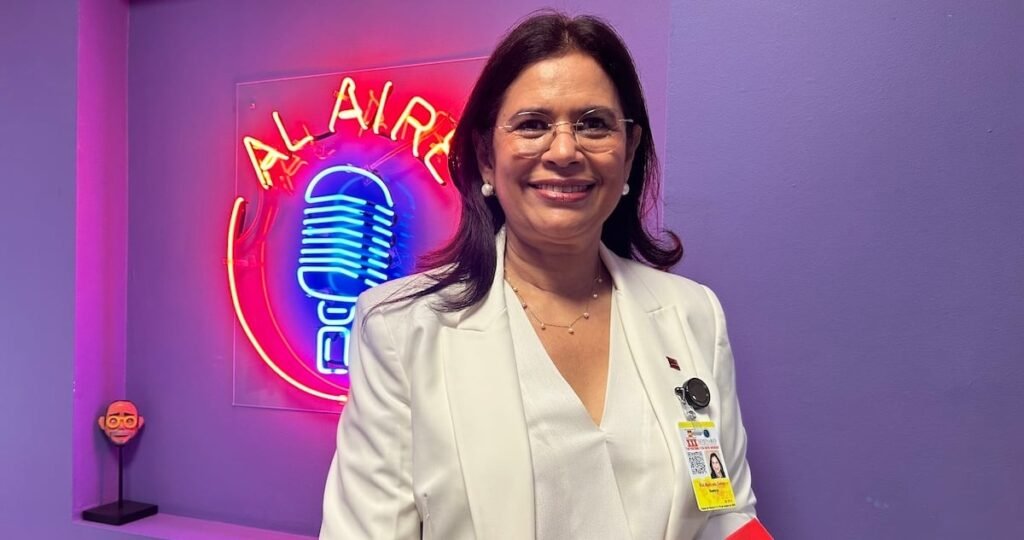
“Washington Stole the Election from Me. It Happened in Honduras and It Can Happen in Mexico”
In an interview with Sin Embargo, the Honduran ex-candidate says Trump’s attacks and the Juan Orlando Hernández pardon were a planned operation, and urges the left to organize.