AMLO’s “Grandeza”
The introduction to former President of Mexico Andrés Manuel López Obrador’s newest book, Grandeza.

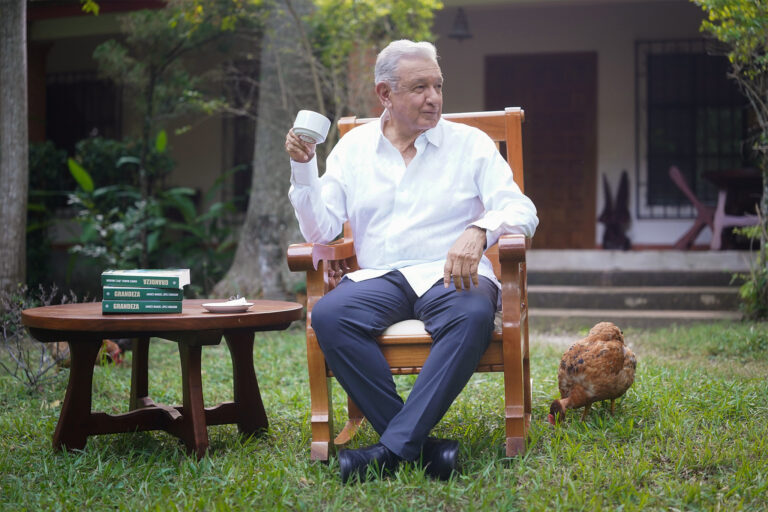
The introduction to former President of Mexico Andrés Manuel López Obrador’s newest book, Grandeza.
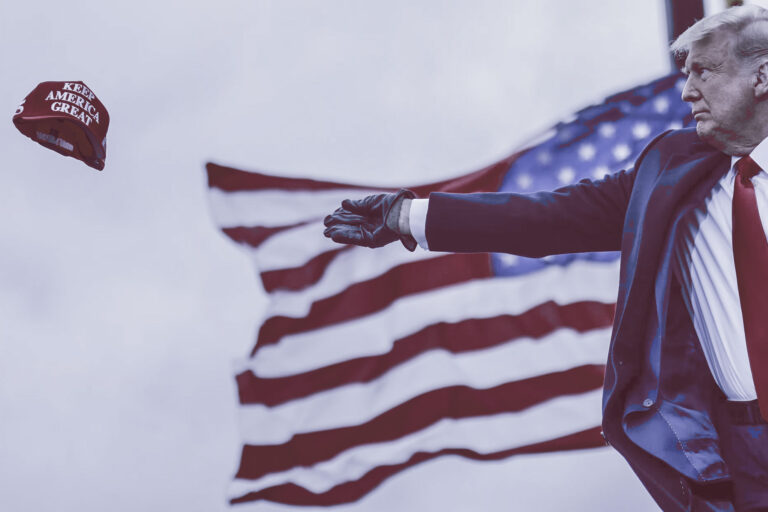
Just yesterday the American gangster reaffirmed how little he cares about controlling the flow of narcotics by announcing a full & complete pardon for drug trafficker & former Honduran president Juan Orlando Hernández.

The neoliberal Somos México, which includes ex-officials of the National Electoral Institute, appears to be the force with the most realistic chance of obtaining its registration for the 2027 elections, although the neo-pentecostal CSP is also mobilizing.
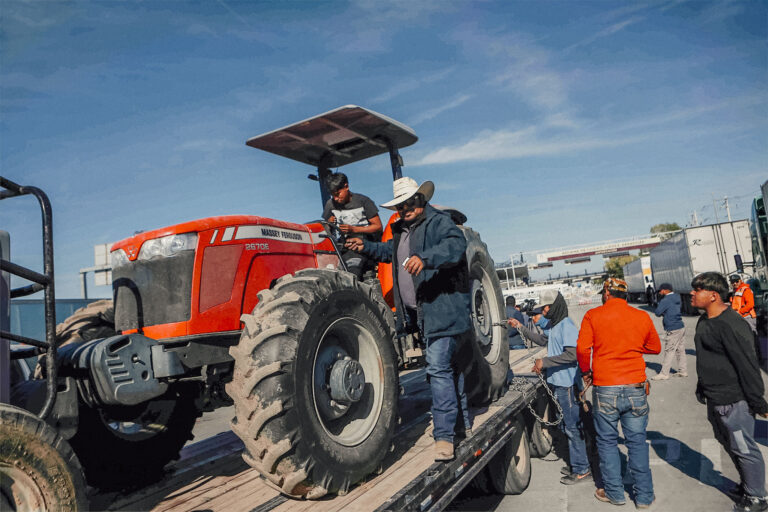
National agriculture is in crisis, and if the government does not respond, the food supply for Mexicans will be left in the hands of transnational corporations.
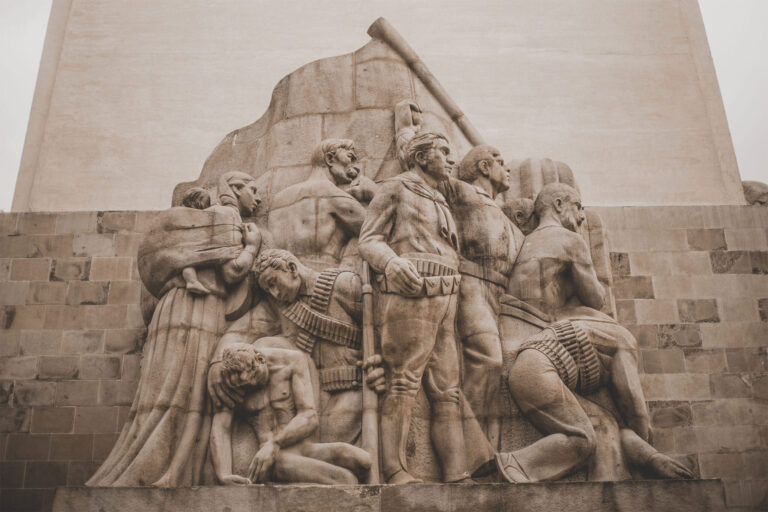
Mexico’s problem is that, despite an influx of foreign capital, the economy isn’t growing: corporations profit, but don’t stimulate domestic production because they rely heavily on imported components & transfer profits abroad.
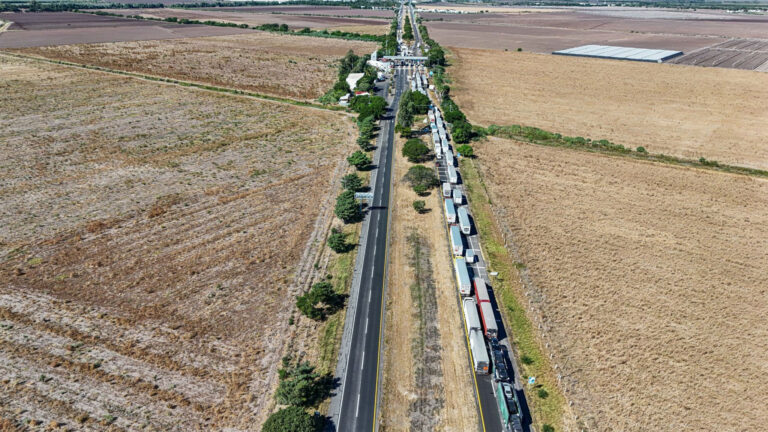
It’s essential the government develop a comprehensive plan for rural development that goes beyond combating poverty & marginalization & promotes a development policy that supports farmers.
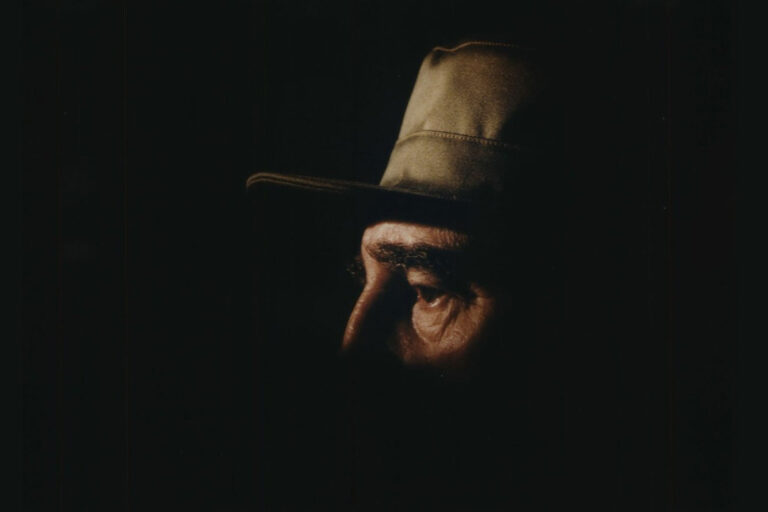
Until the day of his death, Fidel was still in the trenches, on the front lines, leading the fight for the ideas he believed in, ideas that nothing and no one could ever make him renounce.

It is the state’s responsibility to implement the actions required to build a country without violence, where respect, constructive coexistence, & recognition of the value of women and their contribution to the social, economic, & political life of Mexico prevail.
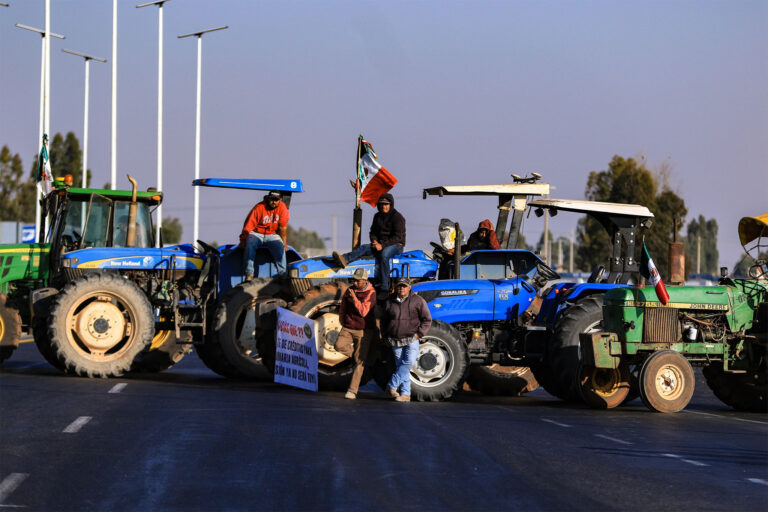
As Monday’s protests demonstrate, Mexican farmers are at a breaking point. Caught between the USMCA trade agreement and a wall of policies that ignore them, they are fighting for their survival. Their anger will not subside anytime soon.
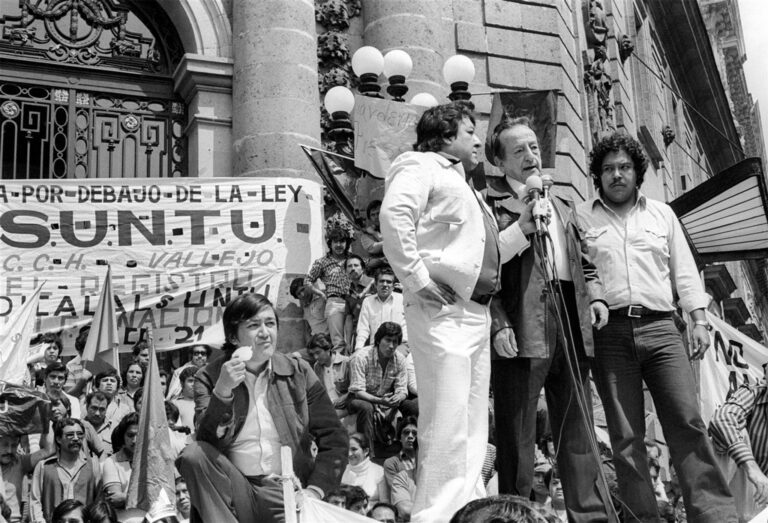
Valentín Campa gave his life to the Communist Party, but he also gave it to the landless, the peasants, the workers; convinced our country would only be strengthened & belong to everyone when “we all went to sleep having eaten more or less the same thing.”