The Relevance of Mexico’s Fourth Transformation
The separation of political and economic power is particularly relevant amidst the fight against corruption and the pursuit of a more transparent and just government.


The separation of political and economic power is particularly relevant amidst the fight against corruption and the pursuit of a more transparent and just government.

Over the course of a century, a vision of education as a means of containing Mexico’s progress through the Porfirian, conservative ideal of social order has prevailed.

The still significant legacy of the Mexican Revolution has had a dampening effect on the growth of the extreme right, but meeting them as adversaries legitimizes them.

This editorial by La Jornada’s editorial board originally appeared in the October 25, 2025 edition of La Jornada, Mexico’s premier left wing daily newspaper. The views expressed in this article are the author’s own and do not necessarily reflect those of Mexico Solidarity Media, or the Mexico Solidarity Project. The Donald Trump administration is sending…

Although value is produced in Mexico and Central America, it is only realized in the United States and Europe, where the final products are consumed.
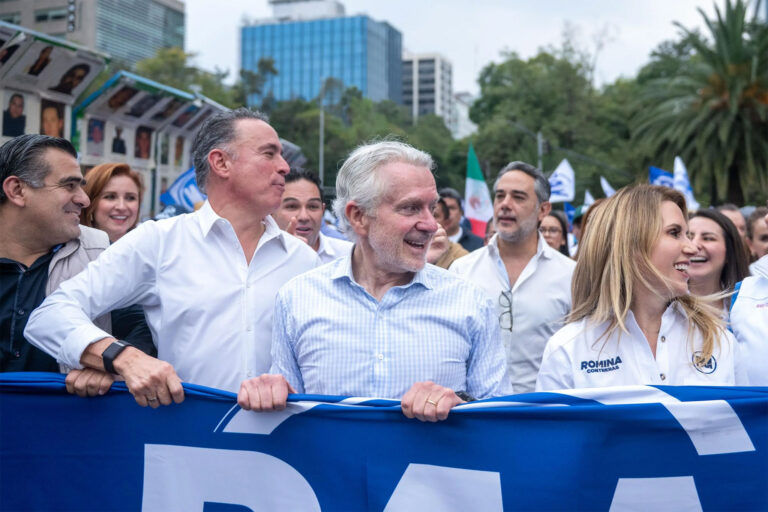
Mexico’s ultra right PAN & Ricardo Salinas Pliego may be separated for now, but there’s nothing to prevent them from formally joining forces in the 2030 election.

Overpriced and rife with obnoxious, depthless “expats” and privatized beaches, the tourism crisis that hit Tulum has sparked an outbreak of schadenfreude, but beyond the deserved scorn, can Tulum tourism be reformed?
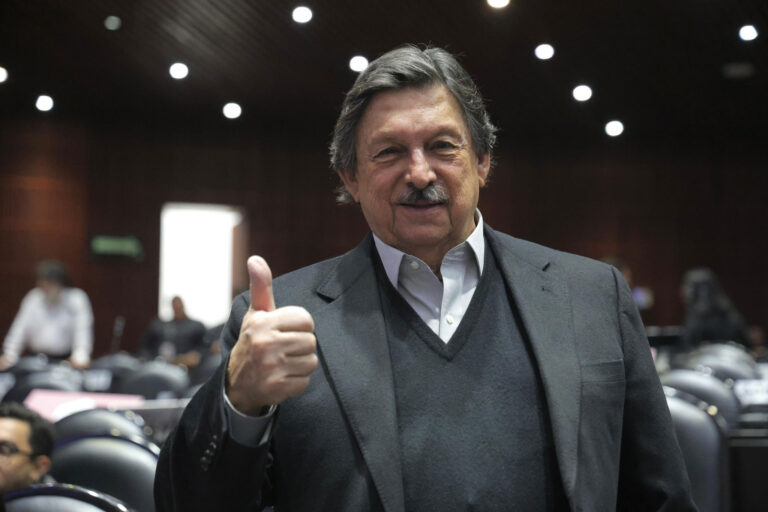
Mexico and other countries face powerful resistance to approve necessary reforms such as the reduction of the work week, which must be made a reality.
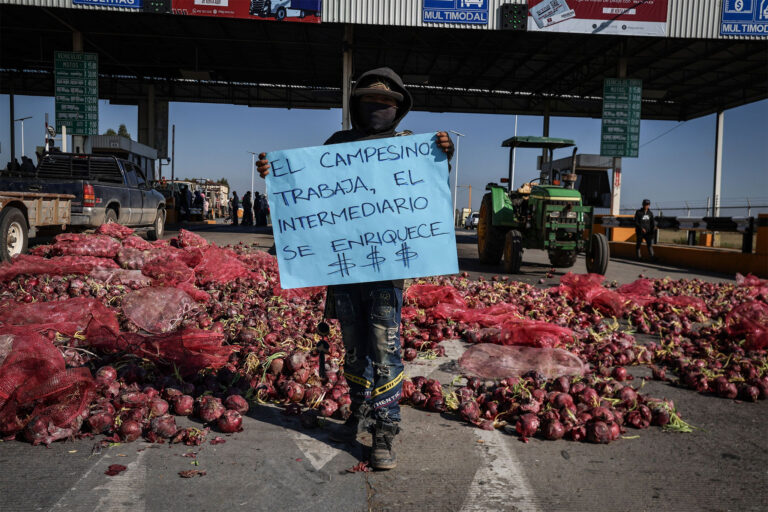
Last week’s strike by agricultural producers against the USMCA and the uncontrolled entry of subsidized grains from the US is part of a fight for Mexican food sovereignty that demands the government’s full attention.
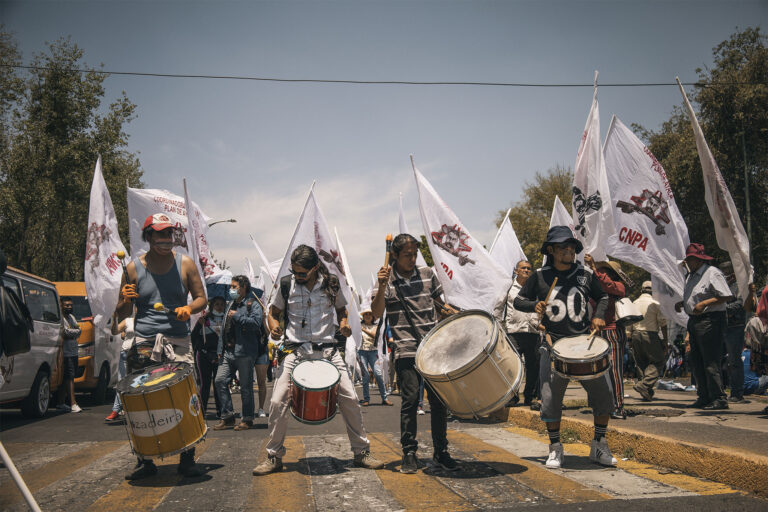
In the name of consensus & pragmatism, control of recovered strategic spaces is beginning to be ceded, & Mexico’s Fourth Transformation risks dissolving into directionless management, discourse without conflict, & change without power.