
Clicks
Our weekly roundup of stories in the English and Spanish language press on Mexico and Mexican politics. The views expressed in this article are the authors’ own and do not necessarily reflect those of Mexico Solidarity Media or the Mexico Solidarity Project.
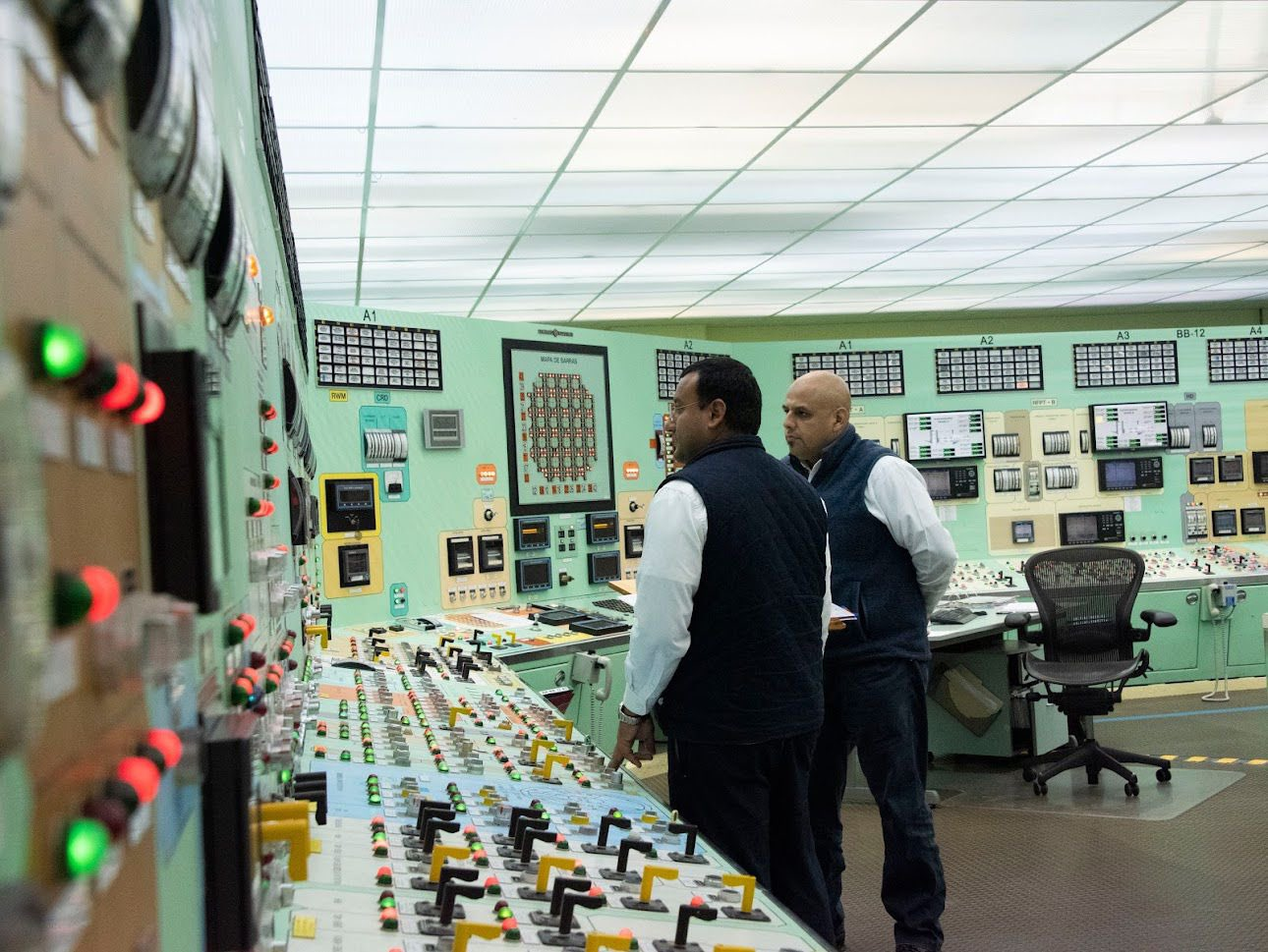
The big news domestically this week was President Sheinbaum’s long hinted-at announcement that Mexico would launch a scientific committee to explore new “sustainable” methods of exploiting unconventional gas sources – or, more colloquially, fracking; under the guise of energy sovereignty. There’s no doubt that Mexico is highly dependent on the US gas supply (check out Mateo Crosa’s article at Monthly Review on this topic, covered by Clicks in February), but it’s highly likely financing schemes and expertise will be provided by international and US, firms; which makes the claim that this is purely about energy sovereignty a bit more suspect. (Also, why not nuclear? At one time, Mexico’s public energy utility CFE thought nuclear would contribute 25% of the energy mix by 2028. It’s only 3% now.) President Sheinbaum in her morning press conference said that industry was demanding it: suggesting reliable access to cheap energy is one more condition that foreign capital is requesting from the Mexican government, along with tax breaks and revisions to intellectual property law.
In the US left press and social media, the focus was on President Sheinbaum’s announcement that she was establishing a universal healthcare system by consolidating the existing patchwork of public health providers into one national system which will guarantee care for all Mexican citizens. Mexicans aged 85+ will be the first registered in the universal scheme, starting this month. But without a substantial and overdue increase in funding for Mexico’s health system and establishing universal standards of care, this consolidation might just end up overwhelming the better-funded public hospitals. Where could such money come from? Sheinbaum is allergic to it, but… taxes! Mexico’s tax-to-GDP ratio is 17.7%, far lower than Brazil’s at 32% (& the OECD average of 33.3%). With Brazil’s Unified Health System being referenced as a model for Mexico’s new universal healthcare system, it’s probably time to talk about making the rich pay (their fair share).
But also on the topic of P3s, the President opened one of the much-talked about, but little seen special economic zones known as Wellbeing Poles, in Huamantla, Tlaxcala with Mexico’s Economy Secretary Marcelo Ebrard suggesting that 5,000 jobs would be produced from the now modest cluster of office buildings. It remains to be seen whether these public-private investments will pan out: thus far Plan Mexico is a combination dead website, Mañanera mantra and a catch-all term for any & and all foreign investment.
With public investment cratering and the government positively allergic to much-needed fiscal reform (Oxfam’s released a report earlier this year highlighting the deep inequity of the Mexican tax system, which funds Mexico’s much-valued and needed new pensions and scholarships, aiding poverty reduction, but places the burden almost entirely on the working class), the Sheinbaum government is banking on such fraught neoliberal mainstays as P3s and special economic zones, and potentially gambling with public pensions. The government announced last week that funds from state AFORES could be put up in the schemes, which caused a lot of chatter around BlackRock’s visit with the President. While most pensions in Mexico have been privatized, some pensions such as those of public sector workers are still managed by the state. Pensions investing in P3s has verboten for public sector unions internationally, such as the Canadian Union of Public Employees, which maintains a strict policy against its pension fund investing in public-private partnerships, for obvious ideological and fiduciary reasons: large investors love P3s where public investors take the risk while the private sector reaps the profits or, even worse, ends up owning the asset after the public money has been used to develop it. Publicly-subsidized, privately profitable!
The Links
Zedryk RazielElia & Castillo Jiménez, Mexico’s slow and steady return to fracking El País. The announcement comes after months of subtle moves and carefully worded statements meant to prepare the ground without sparking major controversy.
Rolando Ramos, Inaugura Sheinbaum primer Polo del Bienestar en Tlaxcala El Economista. En el evento inaugural, Marcelo Ebrard, secretario de Economía, informó de la creación de 5,000 nuevos empleos vinculados al Polo.
Marissa Revilla, The US Is Dumping Elderly Migrants in Mexico Without ID, Money or Phones truthdig. After living in the U.S. for decades, vulnerable, sick deportees are sleeping on sidewalks and dying in a country they don’t know.
Académicos en México piden reanudar suministro de combustibles a Cuba Telesur. De acuerdo con un grupo de académicos mexicanos, el acatamiento del cerco petrolero estadounidense no solo afecta a Cuba, sino que compromete la soberanía de México y el derecho a la autodeterminación de toda América Latina y el Caribe.
Joshua Carroll, Mexico’s Socialist President to Roll Out Universal Healthcare Novara Media.
Mario Campa, Trump pausó el nearshoring en México, pero no lo mató Sin Embargo. En el largo plazo, el relato del nearshoring podría retornar, pero es incierto si regresará en carne viva en forma de un espectro ambulante.
Mexico’s Sheinbaum Sees No Shift by Peru’s Current President on Diplomatic Ties Telesur. Mexican President Claudia Sheinbaum Pardo said Monday that Peru’s newly installed president, José María Balcázar, has shown no interest in resuming diplomatic relations between the two countries.
Jesús Estrada, “La discusión no es la policía, sino el modelo económico del país”, dice Eraclio Rodríguez tras represión contra agricultores La Jornada. “Nos queda claro que es el ejercicio del Estado cuando no tiene voluntad y no tiene argumentos para discutir temas como la salida de los granos básicos del tratado de libre comercio, o detener la especulación de los grandes empresarios.”
Sergio L. Olivares, Daniel Sánchez, & Rommy Morales Mexico Introduces Restoration of Priority Rights for Patent, Utility Model and Industrial Design Applications National Law Review. This change introduces a level of flexibility previously unavailable under Mexican law and aligns the system with international practices, providing a limited safeguard against the loss of priority due to procedural omissions.
¡Viva la huelga obrera en Tornel! La Furia. Este conglomerado industrial con más de 125 años de trayectoria de explotación a la clase trabajadora tiene una importante presencia en sectores industriales dedicados a la producción de neumáticos, cemento, papel, productos de consumo y tecnología.
-
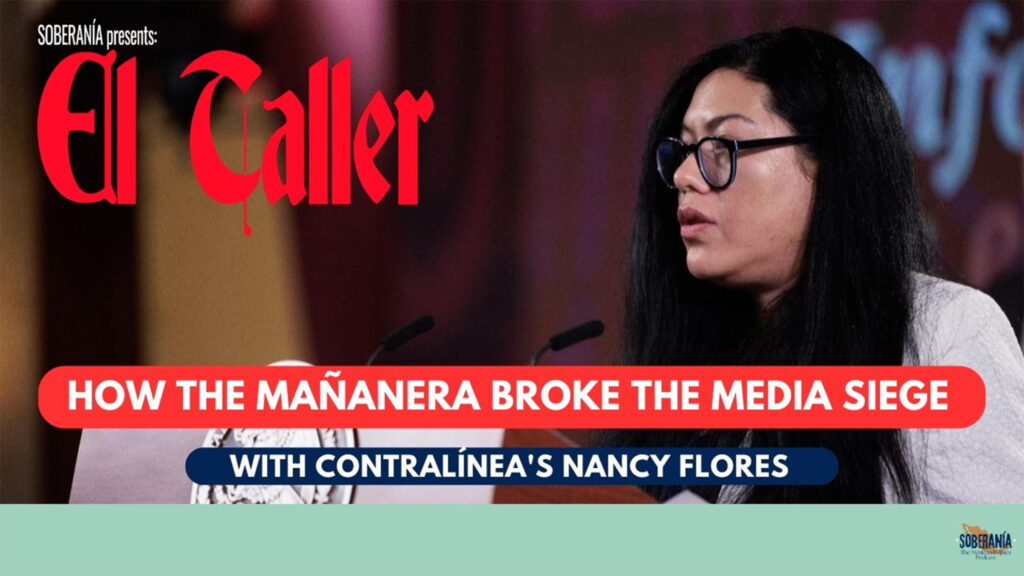
How the ‘Mañanera’ Broke the Media Siege with ContraLínea’s Nancy Flores – El Taller
Nancy Flores, investigative journalist for Contra Línea and one of Mexico’s most respected—and most attacked—voices in independent journalism.
-
Heberto Castillo: Nationalize the Revolution
Heberto Castillo urged the Mexican left to look to our own history and find in it the answers for the transformation of Mexico, writes Martí Batres.
-
Striking Tornel Workers File Second Labour Complaint with USMCA Panel
Almost a month after the shooting attack on the picket line in which four workers were injured, the Secretariat of Labour and Social Welfare has not come to carry out any inspection.