Day Labourer Shot by National Guard
This article originally appeared in the May 18, 2026 edition of Tlachinollan.
Living in the indigenous communities of the Montaña region means bearing the burden of centuries of neglect that have materialized in extreme poverty, isolation, violence, dispossession, exploitation, racism, social exclusion, and systematic violations of basic rights. Authorities have exploited this structural inequality to deepen it rather than reverse it. They abuse the trust people place in them when they visit communities to ask for votes; they constantly deceive the population by neglecting their most pressing needs. The authorities never have enough budget to address the communities’ backwardness. They have imposed a rule that they can only allocate one project per year. The projects the population truly needs are never built; instead, they undertake the least expensive ones, those that generate significant economic and political gains.
No government agency is addressing the serious problem farmers face in salvaging their crops and producing basic food supplies year-round. Hunger is endemic. The land on family farms is eroded. The use of agrochemicals has exacerbated the serious problem of environmental degradation and ecosystem imbalance. People no longer produce food; they have to buy everything at exorbitant prices. In the mountains, there are no sources of employment to generate income for families. They have no way to cover daily expenses. The only option is to migrate or starve.
The extractive economic model is most profitable when labour exploitation is most intense. Capital requires agricultural workers willing to endure grueling workdays without formal employment. It takes advantage of the fact that these workers leave their communities, ready to sacrifice themselves for a meager income to feed their families. Agricultural employers prefer Indigenous workers because they are disorganized and have difficulty asserting their labour rights, nor do they compel employers to comply with federal labour law. To make ends meet, everyone works, even minors. Employers accept this because more hands will bring in the harvest faster, with no concern for protecting children’s rights.
An extended family of 30 Indigenous women, men, girls, boys, and young people from the Na Savi community of Calpanapa, in the municipality of Cochoapa el Grande, has suffered multiple abuses and misfortunes. For over 10 years, they have been migrating to survive in the mountains. The land they own is no longer productive, even though it is located in a small valley at the foot of Cerro de la Garza. Every New Year’s Day, they climb the 3,000 meters of this peak to keep alive the tradition of praying for health, work, and corn. In recent years, they have also prayed for the safety of their communities, which have endured so much violence with stoic resolve.
Last Tuesday, May 12, they left their community at midday for the lemon groves of Apatzingán, Michoacán. They set off in their beat-up pickup truck, all crammed together, to make the trip worthwhile. They crossed the dense mountains toward Ometepec, on the Costa Chica. At five in the afternoon, they took the road toward Acapulco. They had been traveling for a good amount of time; the children were dozing off. The truck’s engine was running well, and they arrived in Zihuatanejo without incident. After 15 minutes, the gray pickup truck stopped because it had a flat tire. It was midnight on Wednesday, May 13. There was no way to continue on the road, nor was there any roadside assistance truck to pass. They decided to park off the road and lay down to sleep near a parota tree where the dim light of a bulb shone.
The 30 of us—parents, children, cousins, in-laws, and grandchildren—settled in for the night and planned to fix the car the next day. Eight children snuggled up with their mothers using the blankets we had brought. My brother-in-law, Marcelino Tomás Nieto, came with his wife and their six children: ages 14, 12, 10, 7, and the youngest, two-year-old twins.
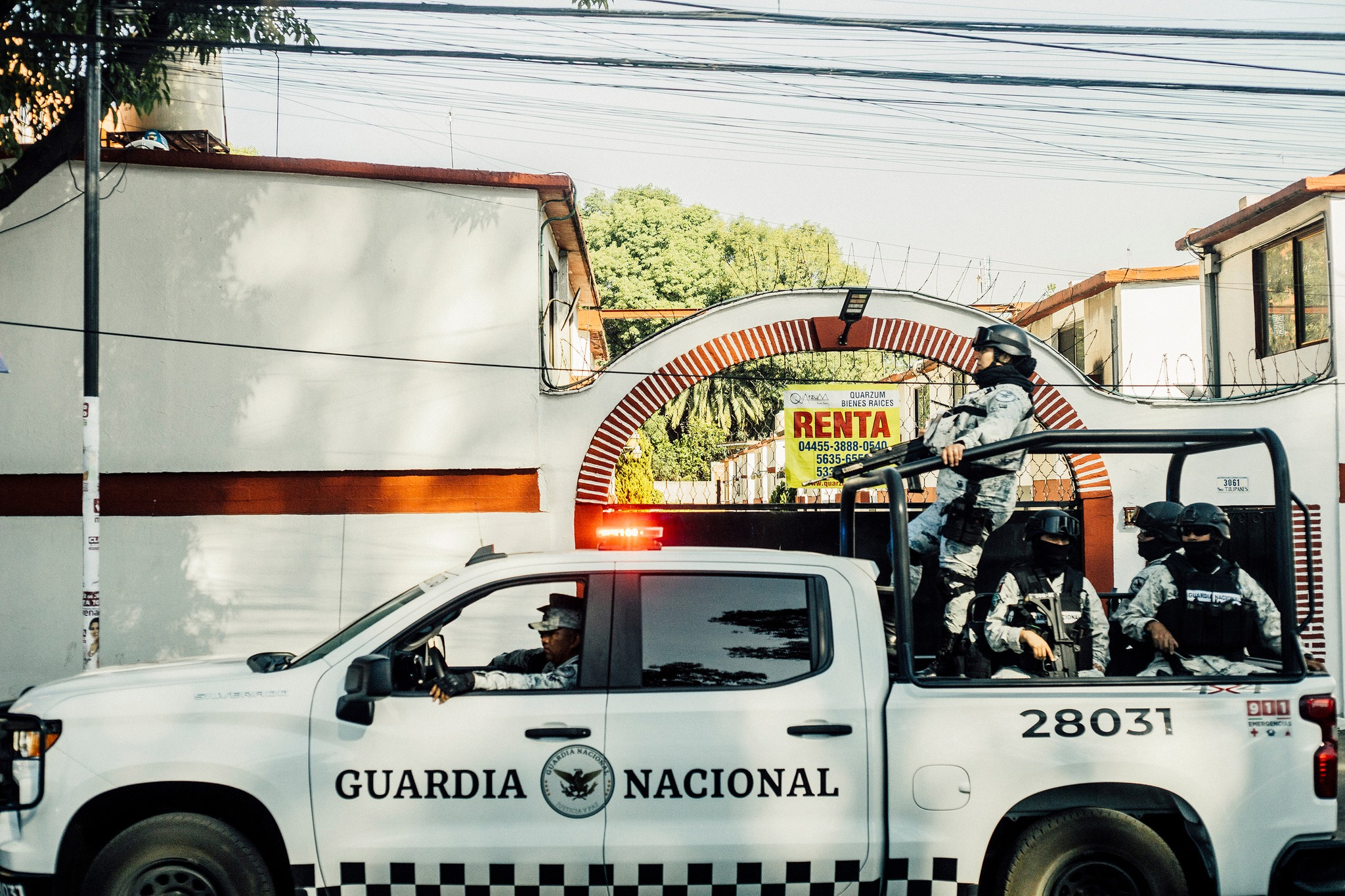
It was 3 a.m. when a gunshot woke us. At first, we couldn’t identify the people in front of us because it was dark. We were terrified. The women, girls, and boys began to cry uncontrollably. Marcelino’s scream was heartbreaking. We quickly realized he had been shot in the left ankle. We feared the worst, but when they got out of the car, we realized it was the National Guard. They arrived without saying a word, just started shooting. They thought we were dead. We told them we weren’t doing anything wrong, we just wanted to sleep because our car had broken down. They didn’t say anything, and after 30 minutes, they called an ambulance to take Marcelino to the hospital in Zihuatanejo.
I don’t know why they opened fire without saying a word. They could have spoken to us politely, but they just shot without knowing there were children present. We traveled for long periods looking for work in the agricultural fields, and unfortunately, when our tires went flat, we had to lie down on the side of the road. The National Guard didn’t take this into account. They’re supposed to be trained to treat the population, but it seems we’re their enemies. Instead of speaking to us respectfully, they fired a bullet directly at where we were sleeping. That’s not right; we’re human beings too. Can you imagine what we went through? We were all terrified, especially when Marcelino screamed from the gunshot wound. The women and children cried with fear, terrified they were going to kill us.
The next day, two lawyers showed up at the hospital where Marcelino is. Later, three more approached us from Mexico City. They offered us 150,000 pesos for food for the injured man’s children and other expenses while he recovers. But they haven’t come back. It’s an amount that doesn’t reflect the harm they caused all of us who were peacefully sleeping. We don’t know how long it will take for Marcelino to recover, nor are we certain he’ll be fully recovered and able to work in the fields. Marcelino.
After five days, Marcelino remains hospitalized. He had a CT scan to diagnose any fractures. Currently, he’s only receiving medication and IV fluids. On May 18th, they will suture his wound because it was very deep; it even removed all the flesh, exposing the bone. He will remain hospitalized, and they tell us he will be discharged on Tuesday the 19th.
Three family members stayed at the hospital to care for him and oversee his medical treatment. The rest are staying in a house rented by the National Guard in Zihuatanejo, buying food and paying for his medications. They understand their responsibilities. However, what worries us most is that Marcelino won’t fully recover. The sad thing is that he won’t be able to work this season because his recovery will be slow.
In the coming months, his family will face constant expenses and have no income. His wife and six children are going to have a hard time. His only son, 14, could work picking tomatoes and chili peppers, but it’s not enough to support the whole family and cover Marcelino’s medical expenses. They need 1,000 pesos a week just to get by. A carton of eggs costs up to 100 pesos, and a kilo of tomatoes is 80 pesos. That’s why we’re going to Michoacán; it’s the only place where we can earn some money. Marcelino is going back to his village with his family, penniless and with a wound on his ankle.
For over 10 years we’ve been picking lemons during the rainy season and returning after October. We’re only in Calpanapa for two or three months, and then we go back to the fields. We get paid 35 pesos per crate of lemons. Usually, we pick six crates a day, and the fastest can pick 10. The most we earn is 350 pesos a day.
We get paid 7 pesos per can when we’re picking tomatoes. The work is hard because to save money, we have to pick 30 cans a day, and the most skilled ones manage 50. Picking chili peppers pays 10 pesos per can, and we can pick 25 to 30. It’s not much because we have to pay 2,000 pesos to rent a small house. If we can’t afford that, we rent two. We pay 300 pesos for electricity and water, which is what we earn in a day picking lemons. We have to gather firewood to cook because the rooms don’t have stoves.
The children stay with their mothers. Those between 10 and 15 years old are already starting to work picking tomatoes and chili peppers because they can’t afford lemons. The ranchers don’t say anything because there are no contracts. They stopped going to school because we have no one to leave them with in the community, and they can’t study in Apatzingán either because the teachers in Calpanapa won’t give them their report cards. They want them to finish the school year there. We can’t stay all year because we don’t have money for food.
We have no choice but to go out and work in the fields. We leave our land to earn a little money. In Michoacán, if we work hard, we can save enough to survive for two months. If you stay in the village, you can starve to death, but now, if you go out to the fields, something like what happened can happen to you. You not only run the risk from criminal groups, but also from the National Guard, who, instead of protecting us, shot to kill. It’s a miracle Marcelino is alive. We only ask that the authorities investigate this serious crime because they shot without any justification and directly at families. They also have to compensate Marcelino, his family, and all of us who were left stranded on the highway for all the damage they caused.
-
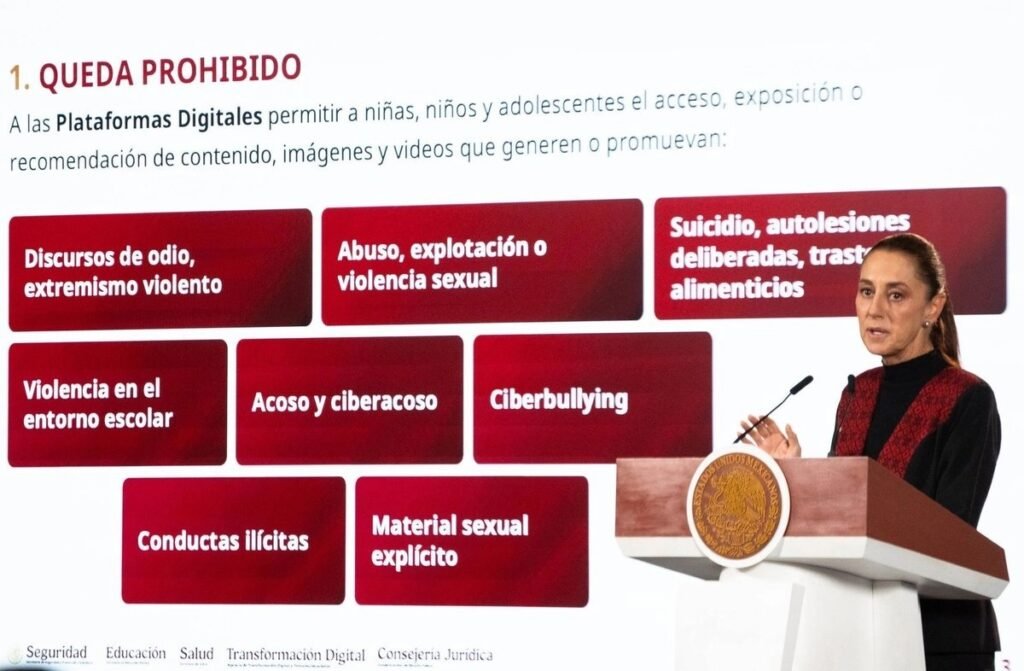
Sheinbaum Presents Draft Decree to Force Digital Platforms to Take Down Content That Incites Violence and Hate
No fines for now: the government will talk with tech companies before publishing the decree next week, a promise made after the Coahuila school attack.
-
People’s Mañanera October 9
President Sheinbaum’s daily press conference, with comments on digital safety, IMSS-Bienestar, sovereignty, and the opposition.
-
Mexico’s Gas Reserves Would Last Only 3 Days
Cenagas director Cuitláhuac García revealed Mexico has no gas storage and imports 75% of what it consumes, after a US supply cut exposed the risk.