Impacts of US Imperialism’s Illegal War Against Iran on Mexico’s Economy
This article by Arturo Huerta González originally appeared in the March 3, 2026 issue of La Jornada de Oriente, the Puebla edition of La Jornada, Mexico’s premier left wing daily newspaper. The views expressed in this article are the authors’ own and do not necessarily reflect those of Mexico Solidarity Media or the Mexico Solidarity Project.
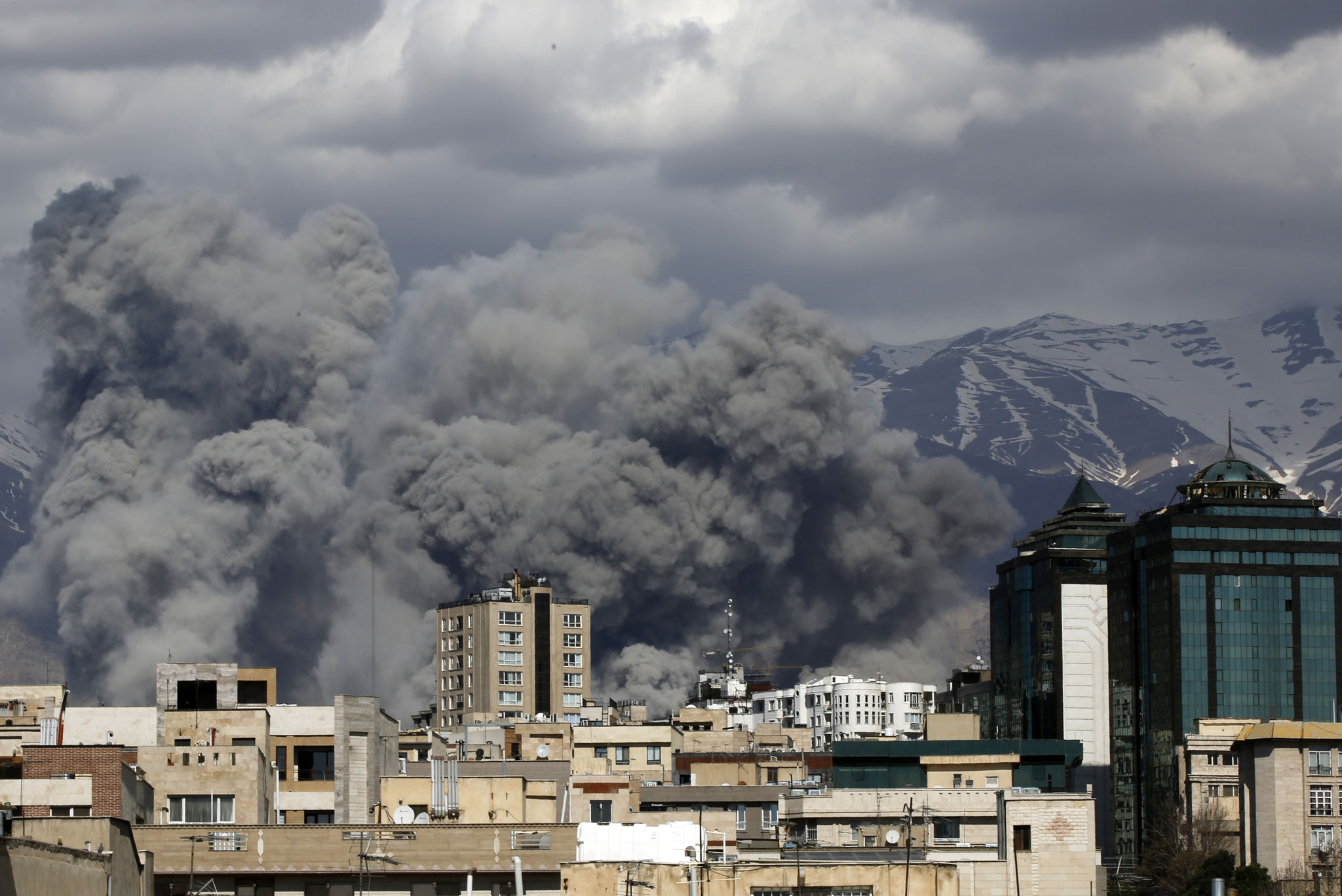
In the first three days of the conflict, the international price of oil has increased by only 7%. However, given that missiles are already being launched at oil wells in some Middle Eastern countries supporting the US and Israel, along with the blockade of the Strait of Hormuz, the price of oil will continue to rise. This is occurring within the context of a global economic slowdown, which will impact global price increases and interest rates, as well as increase the vulnerability of capital and currency markets and affect capital flows. The rise in interest rates will affect the finances of both the public and private sectors of economies, given their high levels of indebtedness, restricting their spending and investment capacity and further slowing global economic activity.
In the case of Mexico, the rise in oil prices initially benefits the country, as in 2025 it exported 658,000 barrels of oil per day and imported 338,000 barrels of gasoline per day. Oil revenues will increase in public finances and for PEMEX, but raising the interest rate would have a negative impact due to the inflationary effect caused by the increase in imported gasoline prices.
The longer the conflict in the Middle East lasts, the higher the expected rise in oil prices will be, along with the economic and geopolitical uncertainty that will impact capital and currency markets. This will limit the spending and investment capacity of economies, leading to a slowdown in the global economy and trade. This will contract the country’s exports and reduce capital inflows, jeopardizing external sector financing and exchange rate stability, and further hindering economic activity, as there are no endogenous conditions to counteract this situation.
The central bank in Mexico will raise the interest rate to prevent capital flight and strong pressure on the exchange rate, and the Ministry of Finance will maintain budget cuts for the same purpose. All of this will accentuate the pressures on public and private finances, causing a further drop in consumption and investment and increasing insolvency problems, which will destabilize the banking sector.
To address the looming vulnerability and instability, the government must rethink its economic policy to strengthen the national productive sector, advance import substitution to reduce the foreign trade deficit, and curb capital inflows , thereby becoming less susceptible to the vagaries of international events. Failure to do so will perpetuate the current downward trend and leave the economy subservient to the decisions of international capital, resulting in a loss of sovereignty over national economic policy.
-
UAW Condemns Violet Attack on Tornel Rubber Workers in Mexico, Urges Action
The US-based autoworkers union called for immediate protection for Tornel workers and their families, as well as a public condemnation of the attack by Mexican authorities and industry leaders.
-
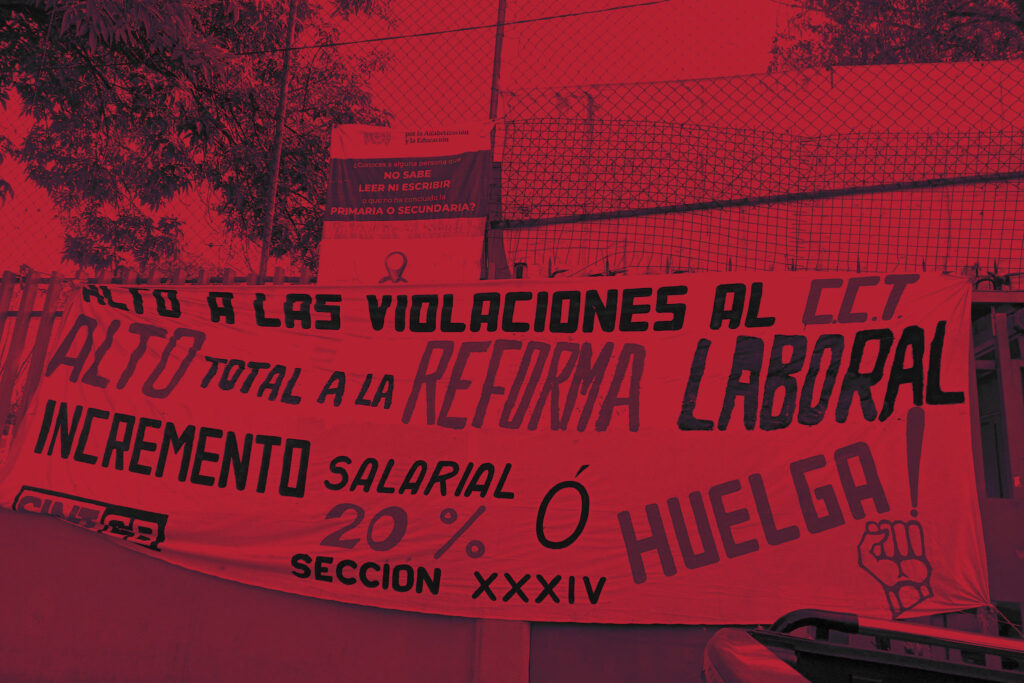
Strike Ends at Colegio de Bachilleres After Agreement with Workers
Closing 20 campuses and road blocks throughout Mexico City and Mexico state brought management back to the table to secure an agreement for the education workers union SINTCB.
-
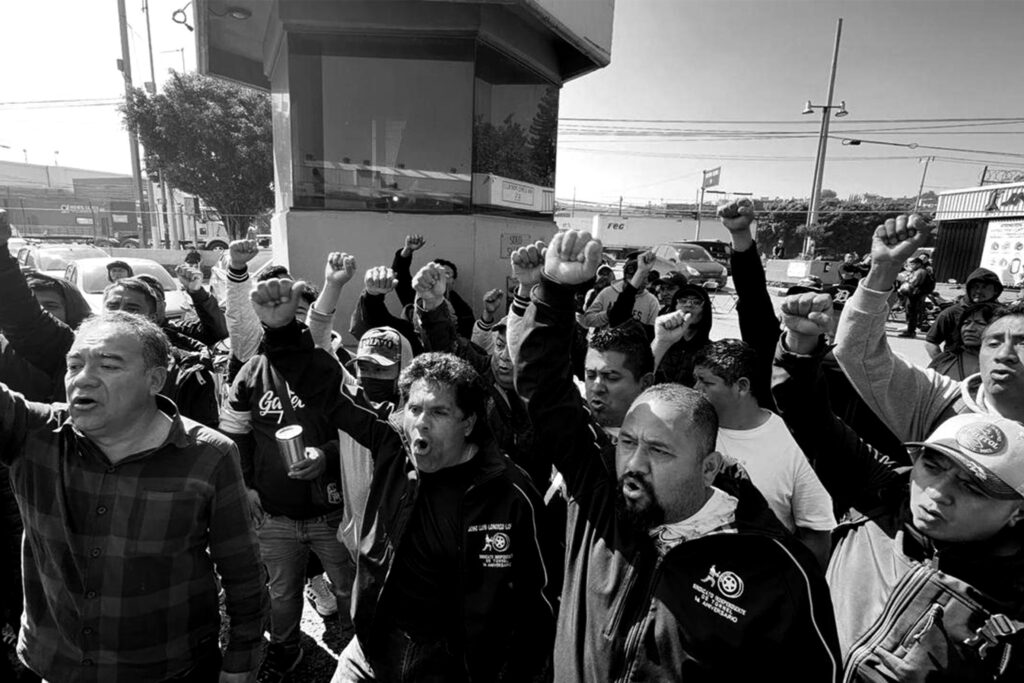
Hit & Run: Tornel Rubber Company Didn’t Attend Labour Conciliation Hearing
On March 18, striking workers on the picket line at a Tornel Rubber plant were attacked by an armed shock group of over sixty men. Four workers were shot.