Julio Antonio Mella & Anti-imperialism
This article by Ángel Chávez Mancilla originally appeared in the December 9, 2026 edition of La Jornada, Mexico’s premier left wing daily newspaper.
The US military aggression against the people of Venezuela on January 3, which involved the bombing of Caracas and other cities, as well as the arrest and transfer of Nicolás Maduro to the United States, has liquidated the remnants of international law and has shown that imperialist aggressions will be the order of the day in the Americas.
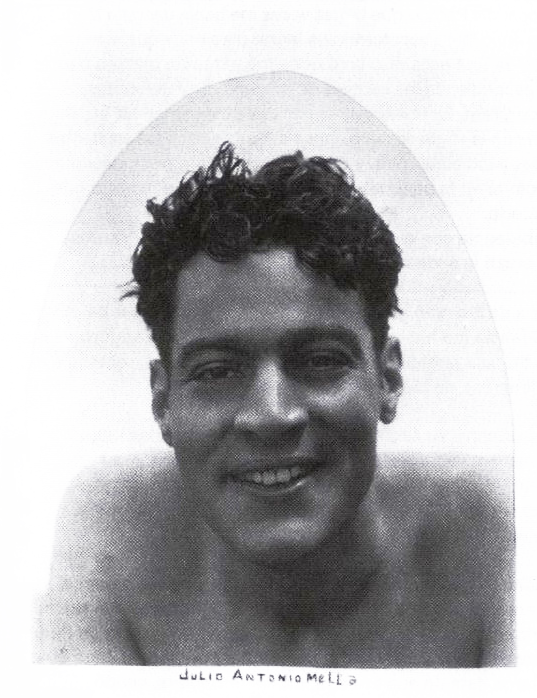
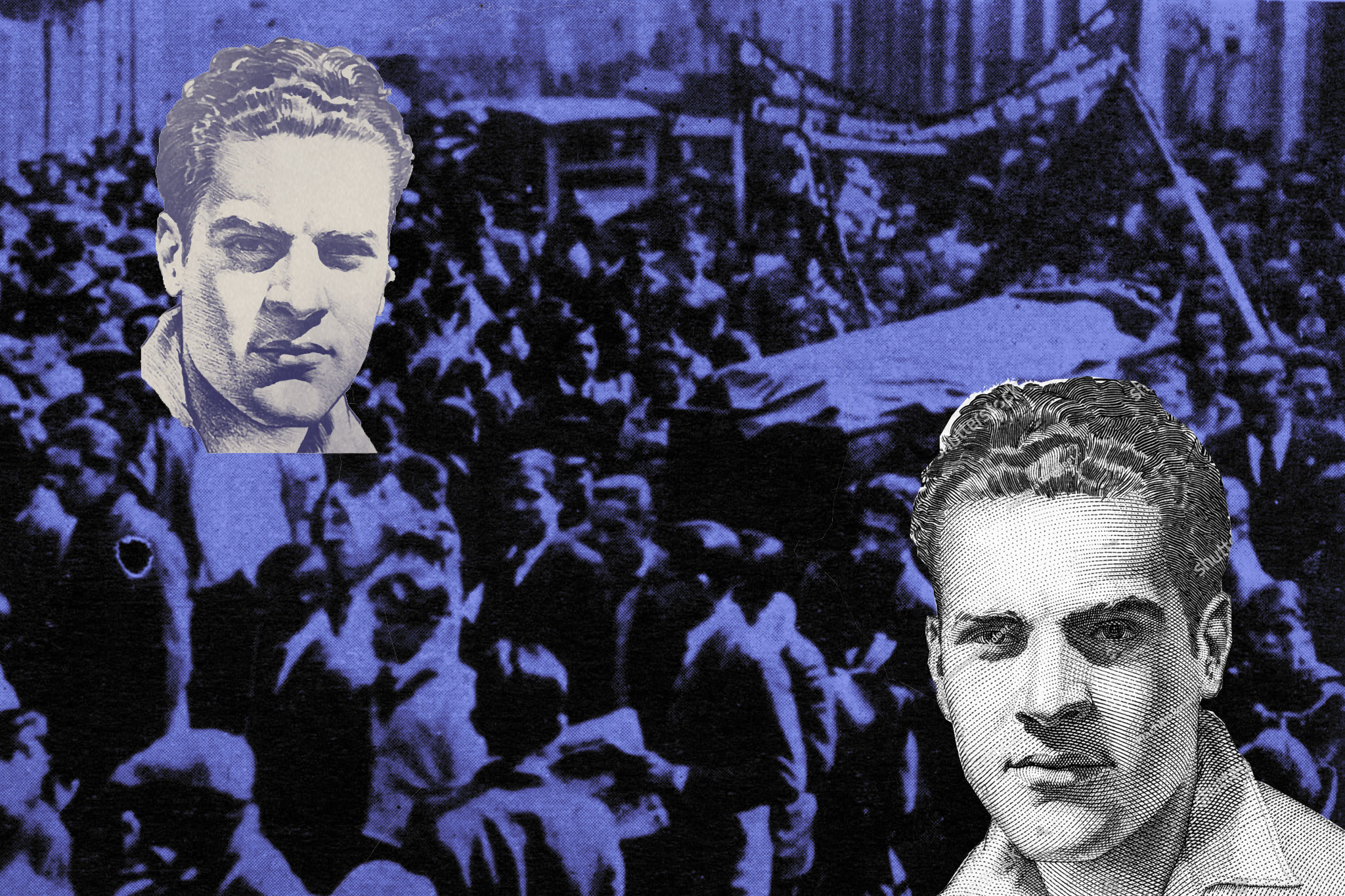
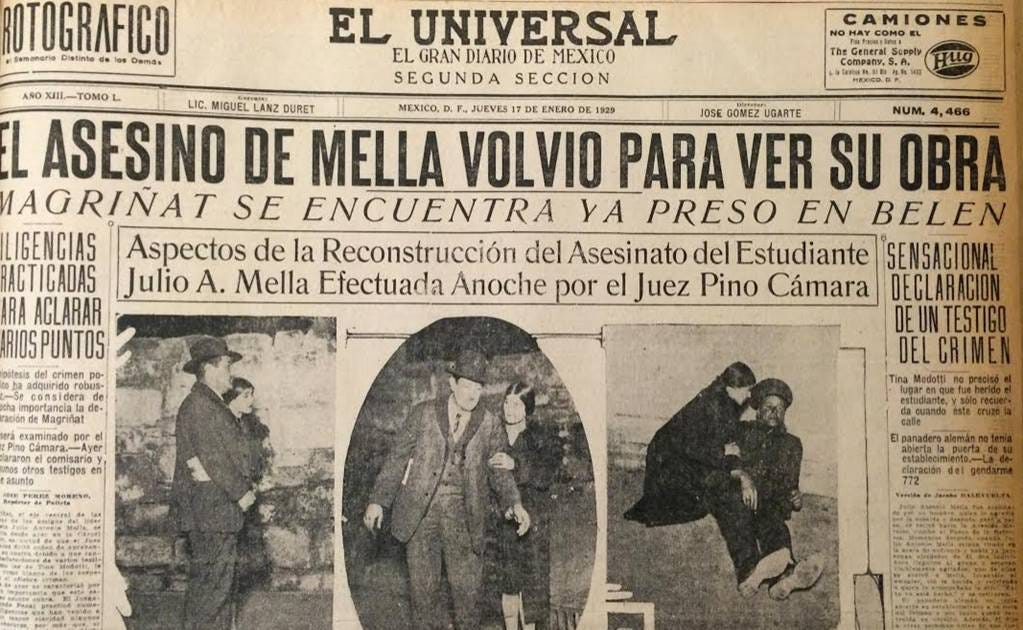
In light of this scenario, it is pertinent to recall the history of the anti-imperialist struggle of the workers of Mexico and Latin America, which has among its most significant episodes the activity of the Cuban Julio Antonio Mella, who was assassinated on January 10, 1929 in Mexico, at only 25 years old, which is why Fidel Castro said that Mella was the one who did the most in the least amount of time.
Mella was born in Cuba on March 25, 1903, and from a young age was politically active. In 1923, he presided over the first National Congress of Students of Cuba and founded the José Martí People’s University; in 1924, he created the Anti-Clerical League. In 1925, demonstrating his political maturity, he and Carlos Baliño were among the founders of the Communist Party of Cuba in August. That same year, he was expelled from the university and imprisoned, to which he responded with a hunger strike. In 1926, the world opened up even more for him when he went into exile in Mexico, where he became a professional revolutionary and developed much of his political work and intellectual output.
In Mexico, Mella was a member of the Communist Party of Mexico, where he served as interim general secretary. He was also an editor for the newspaper El Machete, where he wrote under the pseudonyms Cuauhtémoc Zapata and Kim. Furthermore, he participated in the Anti-Imperialist League of the Americas (LADLA), an organization promoted by the Communist International, which had its predecessors in the Latin American Bureau (1919-1920) and the Pan-American Bureau (1920-1921), and where he became general secretary of its Continental Coordinating Committee.
The relationship between Mella and the LADLA began in 1925, when the young Cuban founded the Cuban section of this organization. That same year, the LADLA took action in support of the Cuban revolutionary while he was imprisoned by the Machado government. Mella participated in the organization’s anti-imperialist activities; for example, in the protests against the occupation of Panama by U.S. troops in 1925.
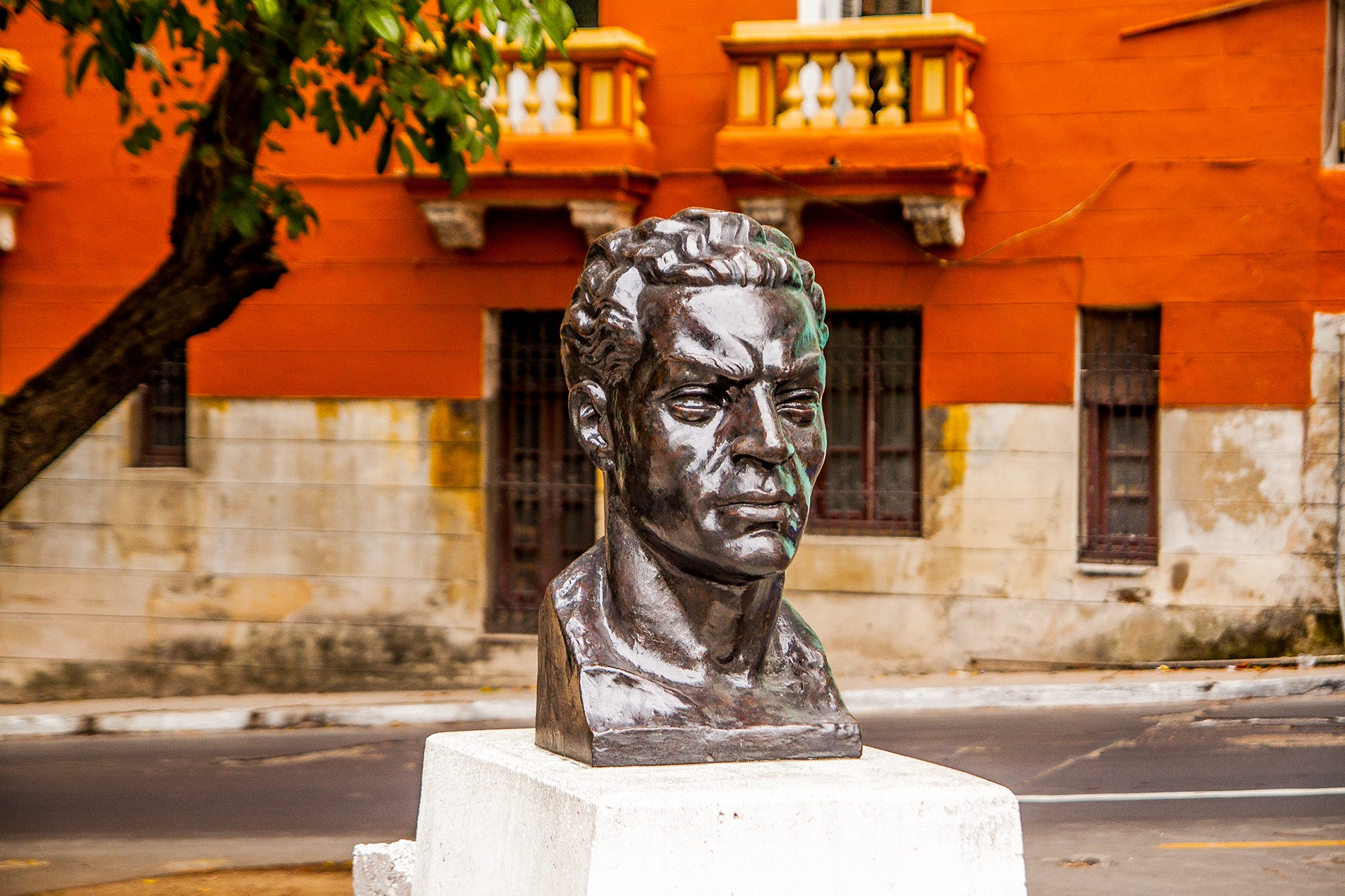
In 1927, LADLA also organized a campaign for the release of the two anarchists, Sacco and Vanzetti, who had been sentenced to death in the United States. It also launched a campaign in support of Haiti, then under U.S. occupation, and another in support of the Soviet Union. Records show Mella’s participation in the rallies for Sacco and Vanzetti, as well as his contributions to El Libertador, LADLA’s official publication. One of LADLA’s most significant campaigns was its solidarity with Augusto César Sandino in his struggle against U.S. intervention in Nicaragua, which led to the creation of the “Hands Off Nicaragua!” Committee (MAFUENIC), promoted by Mella.
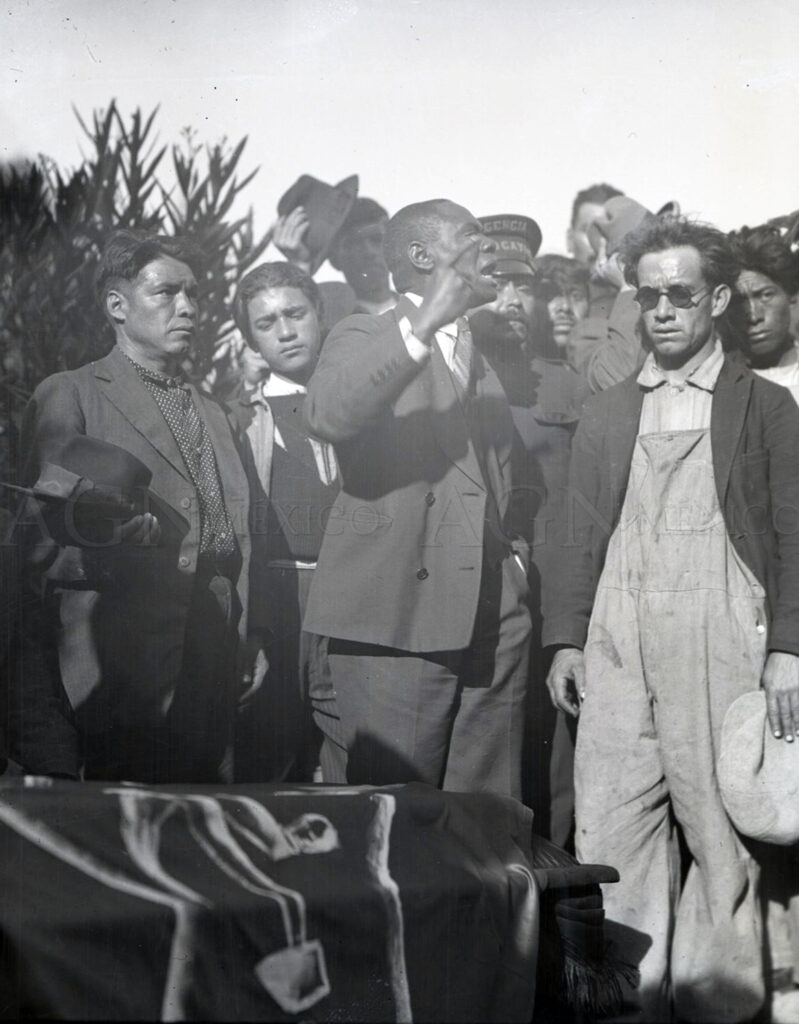
As a leader of the LADLA, Mella attended the Congress Against Colonial Oppression in Brussels, Belgium, held in February 1927. It was there that the quarrel between Mella and Víctor Raúl Haya de la Torre became clear. While Mella raised the banner of anti-imperialism as formulated by the Comintern, arguing that the broad masses of workers should be included, but that the political independence of the working class from the bourgeoisie of their own country should be maintained, Haya de la Torre, leader of the American Popular Revolutionary Alliance (APRA), held a nationalist position that subordinated the workers to the bourgeoisie.
The importance Mella placed on political clarity in anti-imperialist action led him to write the pamphlet “What is APRA?” , in which he accused the organization of wanting to appear as the successor of Marx and Lenin, but in reality being an expression of reformism and opportunism. In questioning APRA’s program, Mella pointed out its shortcomings; for example, that when speaking of the “Unity of America,” it failed to specify that this unity should be of the workers and not a unity led by the bourgeoisie, and that opposing only Yankee imperialism, and not other imperialist centers, distorted Lenin’s conception of imperialism. Thus he stated: “Imperialism is an international phenomenon, and its fundamental characteristics are the same in America and in Asia”; in this way, he opposed the idea that Leninist concepts were not applicable to America.
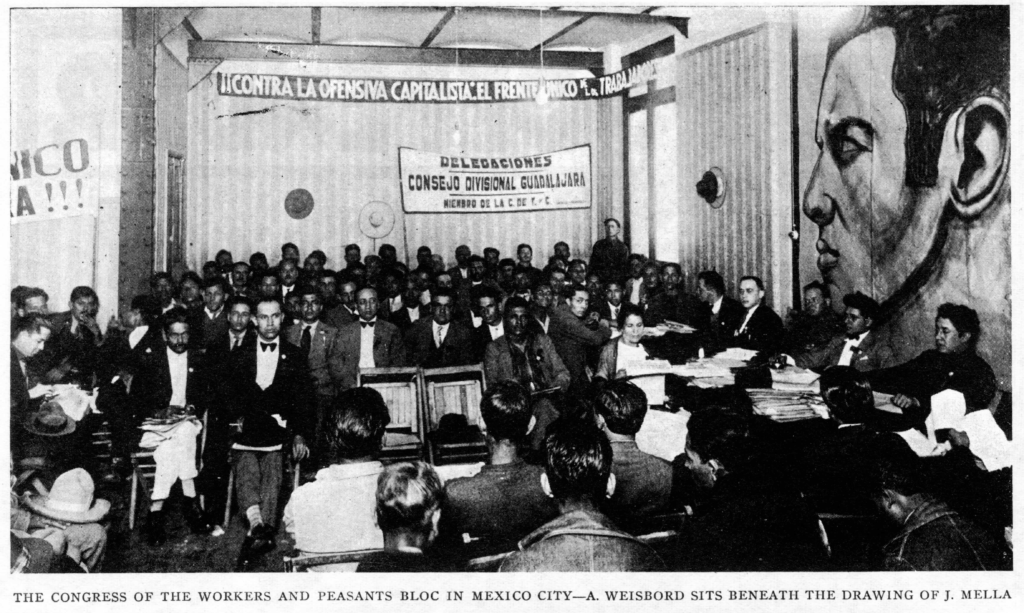
The anti-imperialist policy promoted by Mella and the LADLA implied opposition to US interference in the continent, such that, as Mella wrote in his pamphlet “Cuba: A People That Has Never Been Free,” the only way out could be summarized in the following phrase: “We must make the revolution of the citizens, of the people, against the dollar.” To leave no room for error, Mella clarifies in the same pamphlet that this revolution “against the dollar” should follow the example of the Russian Revolution and the construction of the Soviet Union.
In the face of the recent aggression against Venezuela, the threats from US Secretary of State Marco Rubio against Cuba, and Trump’s statements against the governments of Colombia and Mexico, the path indicated by the figure of the young Cuban and Mexican revolutionary is clear: “We must, in short, carry out the social revolution in the countries of America.”
-
Mexico Requires a Deterrence Strategy
Mexico should continue to work at maintaining a positive relationship with our closest neighbor and number one trading partner. But acting like Trump isn’t capable of unilateral military action against us is foolish.
-
People’s Mañanera April 1
President Sheinbaum’s daily press conference, with comments on energy sovereignty, Tamaulipas housing, World Cup 2026, and the Gulf of Mexico oil spill.
-
The Hidden Connections Between the Ukrainian Military & Drug Cartels
It is difficult to believe that European intelligence services, which rigorously monitor arms trafficking, would ignore the flow of weapons & drones into the Americas.