Mexican State Apologizes for its Responsibility in Forced Disappearance of Gregorio Alfonso Alvarado López
This article by Tlachinollan originally appeared in the May 16, 2026 edition of Desinformémonos.
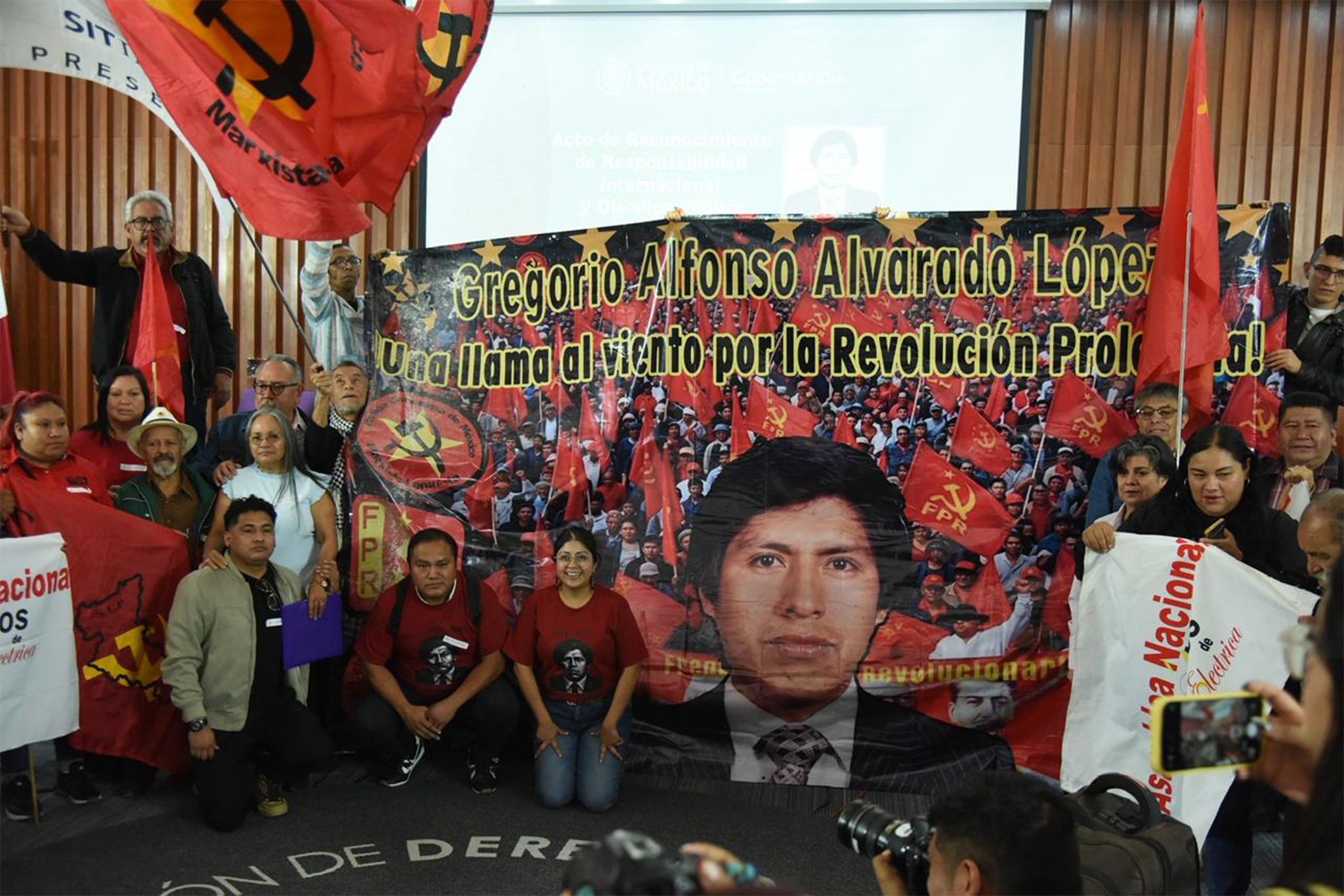
In commemoration of Teacher’s Day in Mexico, this Friday the Act of Recognition of International Responsibility and Public Apology of the Mexican State was carried out in the case of the forced disappearance of teacher Gregorio Alfonso Alvarado López, which occurred on September 26, 1996 in the state of Guerrero.
During the ceremony, the Mexican State acknowledged its international responsibility for the human rights violations committed against Gregorio Alvarado and offered a public apology to his family and society, in compliance with the reparation measures derived from the case before the Inter-American Human Rights System.
Gregorio Alvarado was a teacher, poet, father, and Indigenous social leader. His community and educational work connected him to organizing efforts in the Montaña region of Guerrero during the 1990s, a time of intense violence and persecution against members of social and community movements. After months of constant surveillance, persecution, and harassment, Gregorio and his family were forcibly disappeared in September 1996, and his whereabouts remain unknown.
On behalf of the State, the Undersecretary of Human Rights acknowledged that, as a State, “we not only failed to protect their safety, with the aim of preventing these events, but also failed to react immediately to locate them and punish those responsible.” Nearly 30 years after the events, this case remains unpunished.
The Undersecretary also acknowledged Gregorio’s human rights work in his communities, which led to his persecution and forced disappearance. He specifically noted that Gregorio’s work continues to benefit Indigenous children in Guerrero, as he promoted intercultural and bilingual institutions throughout his career, which still exist today. This was and remains an act of love, conviction, and commitment to improving his social environment.
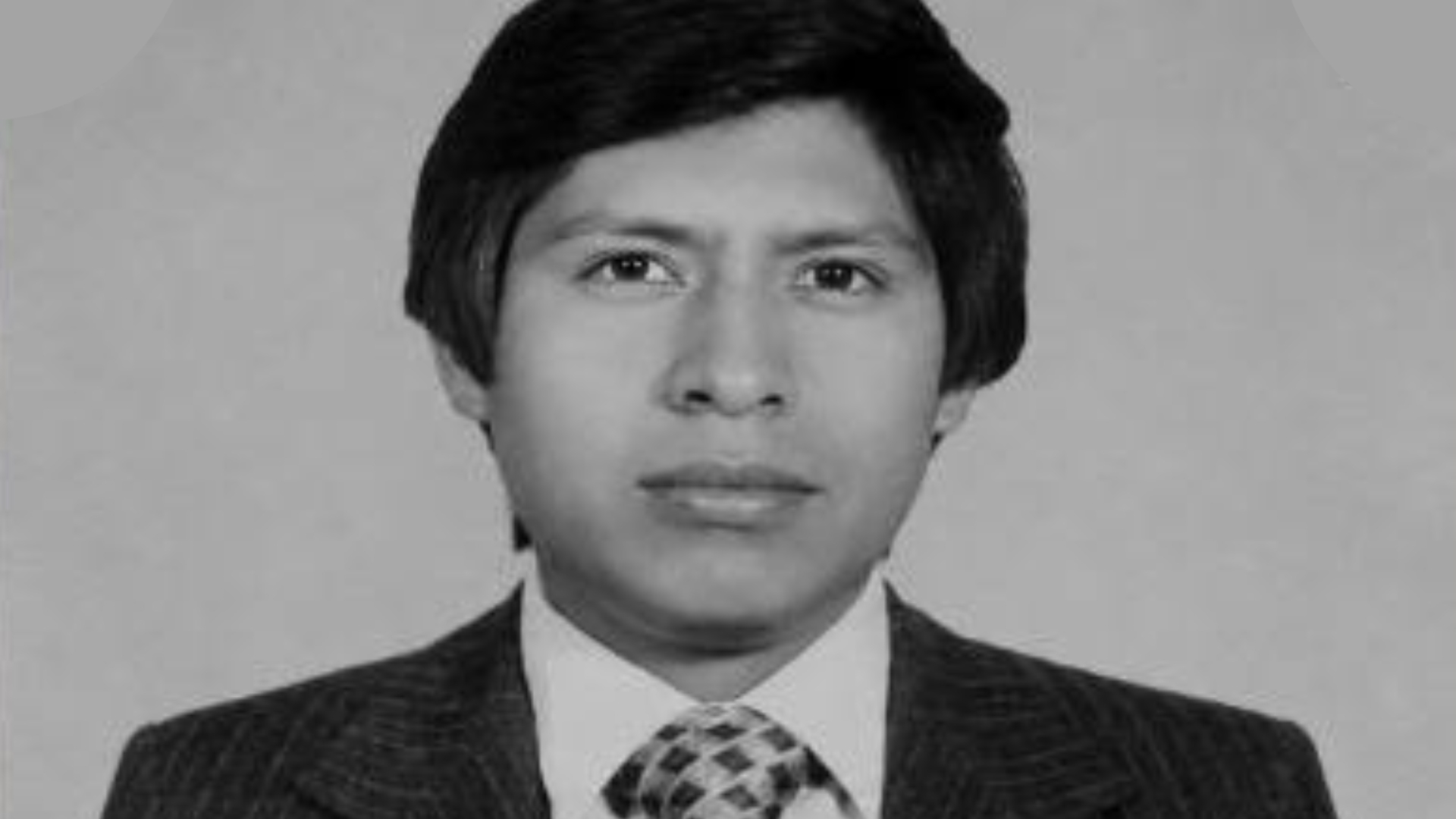
According to the Tlachinollan Mountain Human Rights Center, Gregorio’s disappearance occurred within the context of a “policy of terror” implemented by the Mexican government, where “Guerrero was the epicenter of the counterinsurgency, with the army being primarily responsible for the serious human rights violations committed during that period. (…) bloody years in which independent organization and autonomous thought were punished, as documented by the Truth Commission that investigated the events that occurred during those years and whose report has not been fully accepted by the Mexican State.”
Thus, Gregorio’s case has represented not only a serious violation of his human rights, but also a profound impact on his community and his family, who have sustained for almost three decades a permanent search for truth and justice, facing impunity, institutional omissions and the absence of effective investigation.
At the event, Norma, Gregorio’s wife and the one who has led the search for him, called for an investigation and prosecution of those responsible for his disappearance and demanded that enforced disappearances cease to devastate Mexican families. Norma recalled that “despite the inexorable passage of time, Gregorio, ‘Goyito,’ remains a symbol of the most sensitive struggles faced by our people. His work, his example, remains relevant. For him and for all the disappeared: neither forget nor forgive.”
The ceremony held today represented an act of recognition of the struggle for truth and justice, as well as a measure to dignify the memory of Gregorio Alfonso Alvarado López, whose life was dedicated to education, community organization and the defense of the rights of indigenous peoples.
The Tlachinollan Mountain Human Rights Center and the Center for Justice and International Law (CEJIL), representing the family before the Inter-American Human Rights System, accompanied this event and reiterated that, while it constitutes an important step in the recognition of responsibility and in the reparation of the damage caused, the obligation of the Mexican State to fully guarantee the rights to truth and justice persists.
The organizations noted that “Gregorio’s case is not an isolated incident. Mexico is currently facing a humanitarian crisis of alarming proportions: more than 133,000 people are listed in the National Registry of Missing and Unlocated Persons, and the numbers continue to rise. Recently, the Inter-American Commission on Human Rights emphasized that enforced disappearance in Mexico is a widespread and systematic phenomenon that demands a comprehensive and effective response from the State. This response should not be limited to reactive mechanisms, but should include policies for prevention, searches conducted with a human rights perspective, truth, justice, and reparations.”
And they affirmed that “Gregorio remains disappeared. As long as this continues, his memory is a living demand for justice. (…) Today, on this Teacher’s Day, we pay tribute to him with the certainty that his struggle continues—in Norma’s voice, in the steps of his children, in every community school that bears his name, and in all of us who remain committed to ensuring that enforced disappearance has no place in any corner of this country.”
“So that hope may live long and tomorrow may dawn earlier”
Gregorio Alvarado
-
Sheinbaum Presents Draft Decree to Force Digital Platforms to Take Down Content That Incites Violence and Hate
No fines for now: the government will talk with tech companies before publishing the decree next week, a promise made after the Coahuila school attack.
-
People’s Mañanera October 9
President Sheinbaum’s daily press conference, with comments on digital safety, IMSS-Bienestar, sovereignty, and the opposition.
-
Mexico’s Gas Reserves Would Last Only 3 Days
Cenagas director Cuitláhuac García revealed Mexico has no gas storage and imports 75% of what it consumes, after a US supply cut exposed the risk.