PEMEX: Why Lázaro Cárdenas Created Mexico’s State Oil Company
This article by Mario Grimaldo originally appeared in the August 14th, 2025 edition of El Sol de México. The views expressed in this article are the author’s own and do not necessarily reflect those of the Mexico Solidarity Project.
Petróleos Mexicanos (PEMEX) is undoubtedly one of the most emblematic state-owned companies in Mexico’s contemporary history. Born in a complex local and international political context, it became a solution for one of the most important presidents in the country’s history, Lázaro Cárdenas.
Cardenismo was characterized by its commitment to the interests of the country’s workers, laborers, and peasants, as it supported wage demands, unionization, and collective bargaining agreements that established better working conditions for these sectors. It was also the government that distributed the largest amount of land in the history of Mexico: around 18 million hectares were distributed to communities and ejidos.
But beyond that, Cárdenas refused to be intimidated by the employers and pressured them to comply with the demands of the labor and working class. Along these lines, the Confederation of Mexican Workers (CTM) was created in 1936, which became the most influential labor union in Mexico and a fundamental pillar of the Cárdenas government; followed by the creation of the National Peasant Confederation (CNC) in 1938.
In this context, American and British oil companies began to look with concern at what was happening under the Lázaro Cárdenas government, especially knowing that Mexico [constitutionally] had the right to claim the oil facilities of American companies if the Mexican government so decided.
1938’s Oil Expropriation: the Origin of Pemex
The 1917 Constitution, in its Article 27, clarifies that ownership of the subsoil, including natural resources discovered underground, also constitutes an exercise of national sovereignty. This situation complicated economic relations with the United States due to the possibility that the Mexican government would exercise its rights to oil. However, the Calles-Morrow Treaty of 1928 alleviated Americans’ concerns, at least for a few years.
But it was a time bomb, as foreign oil companies did not provide adequate pay to Mexican workers, paying their Mexican workers only half of what they paid other employees who performed the same functions.
This contrasted sharply with the economic benefits enjoyed by foreign oil companies, which had made Mexico the world’s second-largest oil producer in the 1920s. Despite this [high level of production], these companies exported most of the oil produced during these years, and very little of their profits remained in Mexico.
The oil company that dominated Mexican wells was the British-founded Mexican Eagle Petroleum Company (a subsidiary of the Royal Dutch/Shell Company), which accounted for more than 60 percent of the country’s oil production. Meanwhile, the American companies Jersey Standard and Standard Oil Company of California accounted for 30 percent of total production.
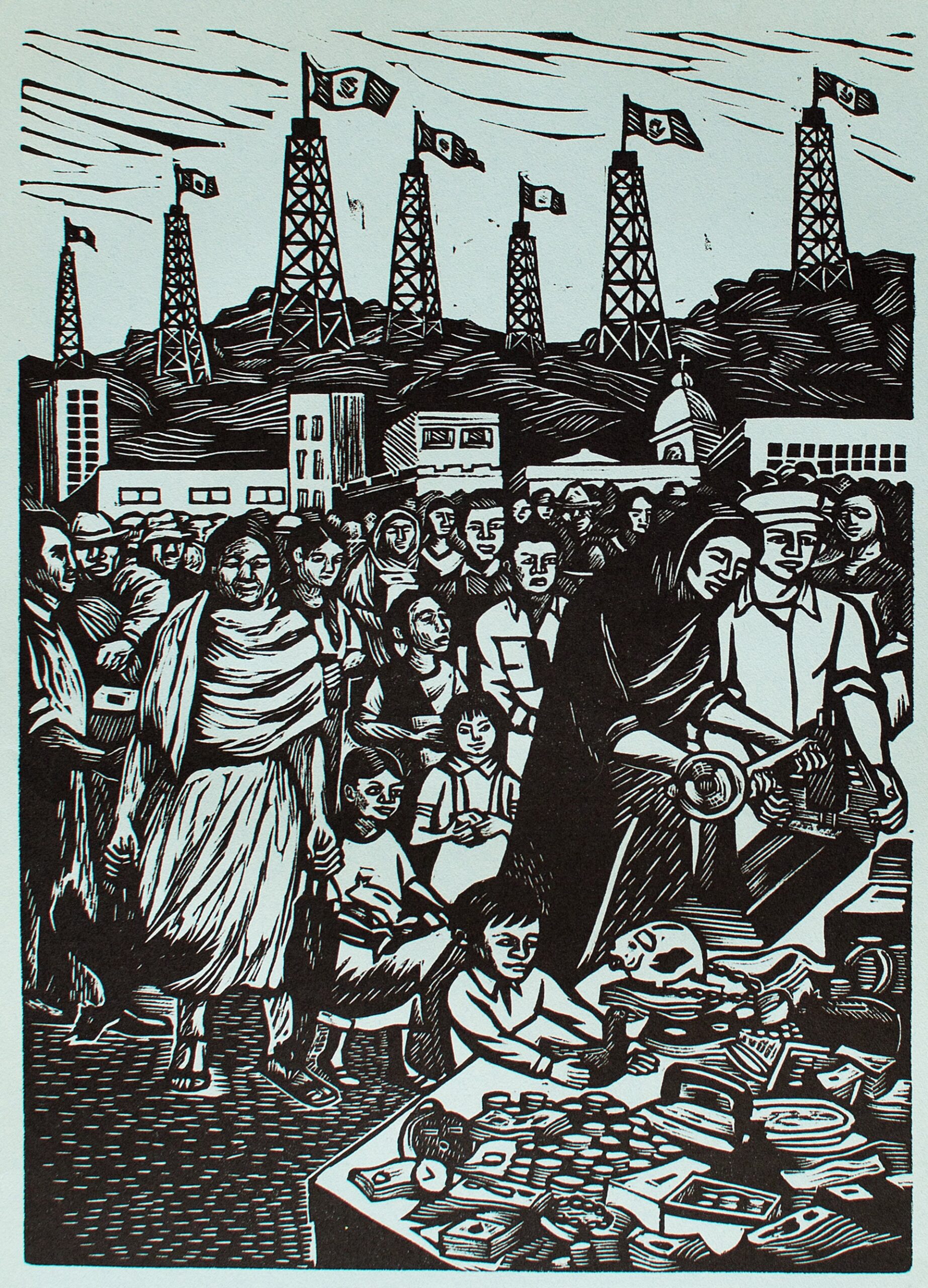
In the context of the Great Depression , the Mexican state began to receive even less oil revenue, as national oil production fell, caused by the same crisis that stopped the world on Black Monday in 1929. Among other problems, there was also an excess in the global supply of oil, coupled with union unrest over the poor wages received by Mexican workers.
As labour pressure continued to grow, then-President Lázaro Cárdenas attempted to mediate the situation by appointing a government commission to draft a new labor agreement to improve working conditions for Mexican workers. The foreign companies not only rejected this request, but even challenged the commission at the Mexican Supreme Court.
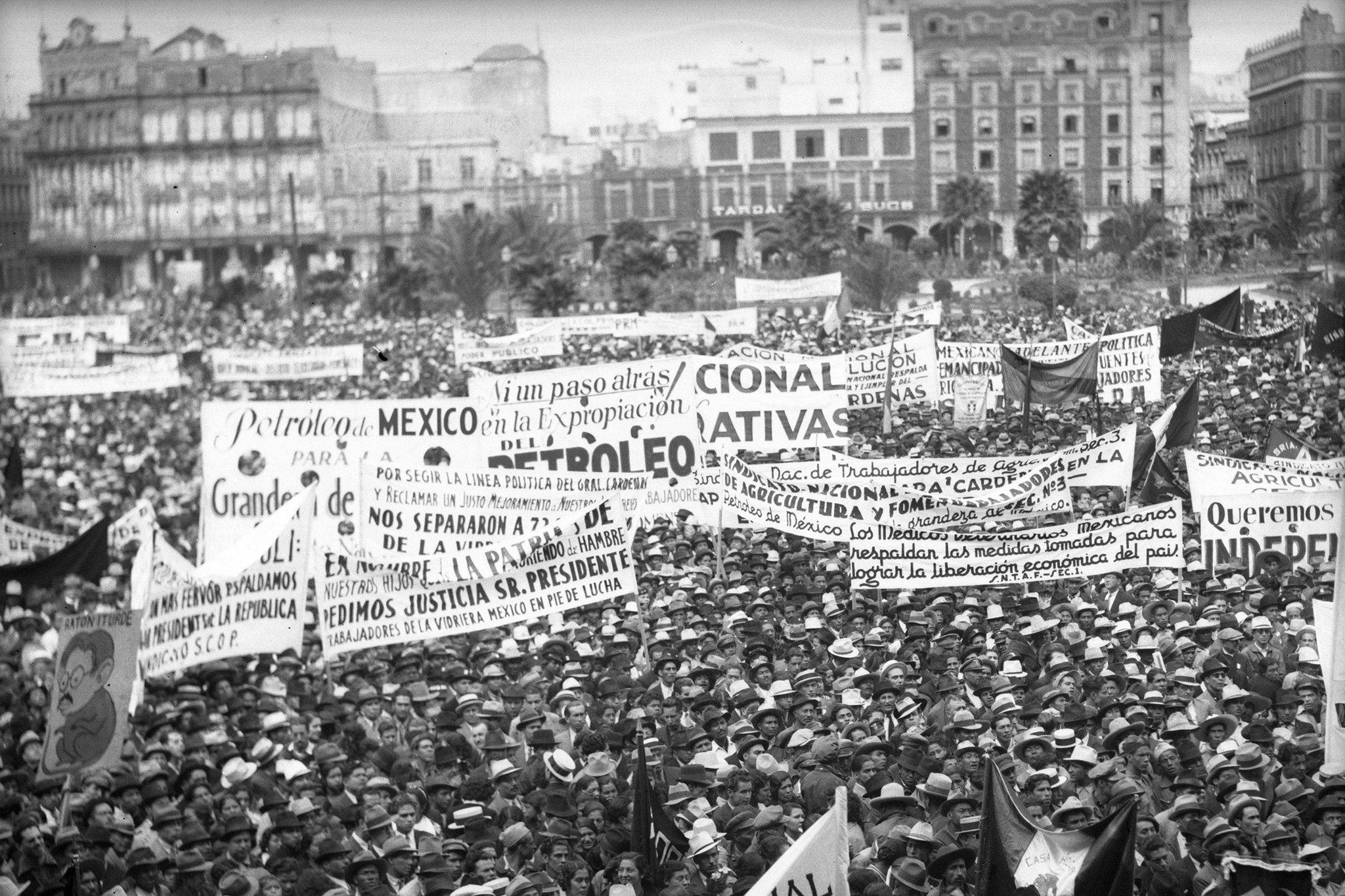
Cárdenas, seeing the inflexibility of foreign companies, and understanding the validity of the protest of the Mexican unions, promulgated the Oil Expropriation decree on March 18, 1938.
Thus, Petróleos Mexicanos (PEMEX) was created on June 7, 1938 by President Lázaro Cárdenas del Río, 11 weeks after the promulgation of the decree of oil expropriation.
-
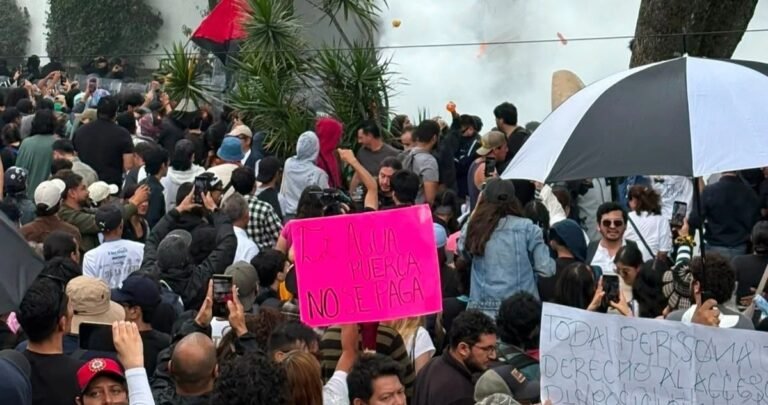
Thousands Demand Clean Water in Jalisco and Lemus Uses It to Repress Them
In Jalisco, governed by the opposition party Movimiento Ciudadano, police met the march with water cannons and tear gas, and protesters reported arrests and two people disappeared.
-
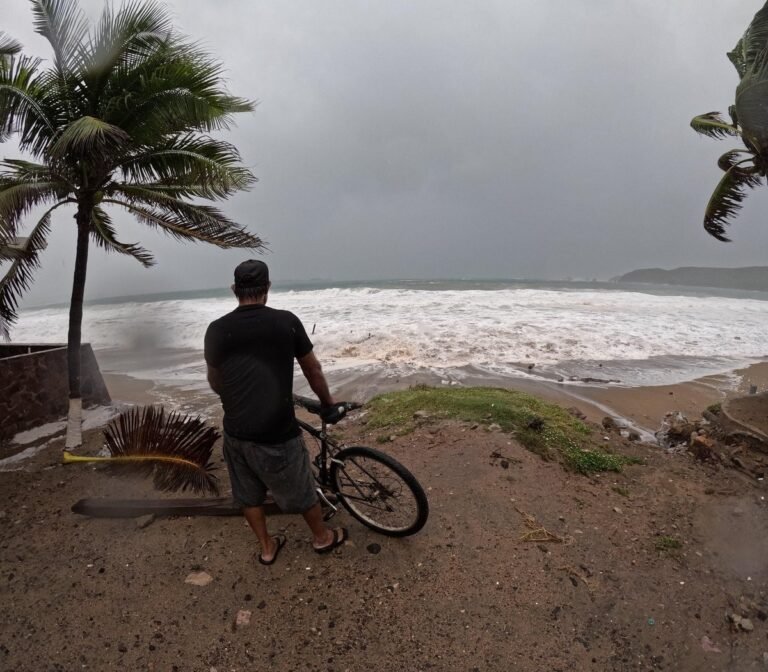
Hurricane Simon Paralyzes Towns and Highways in Jalisco Amid Forecast That It Will Make Landfall
With an erratic path, the Category 4 storm keeps the coast shut in under nonstop rain, though no casualties have been reported so far.
-
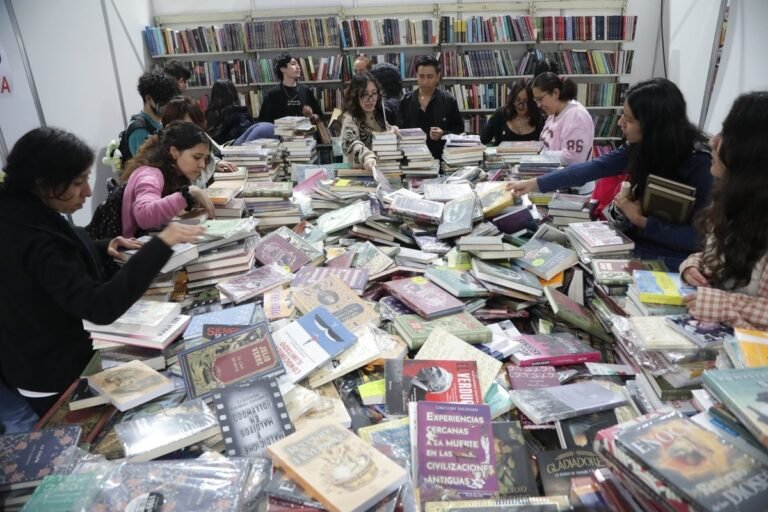
Mexican Book Fairs
“Book fairs in Mexico are among the great gatherings that speak of how a people nourishes itself on books,” observes Poniatowska.