Mexico Prepares Protocol to Recover and Repatriate Cultural Heritage Located Abroad
The goal: bring home archaeological pieces sold at auction or seized abroad, and stop the illicit trafficking that takes Mexico’s heritage out of the country.

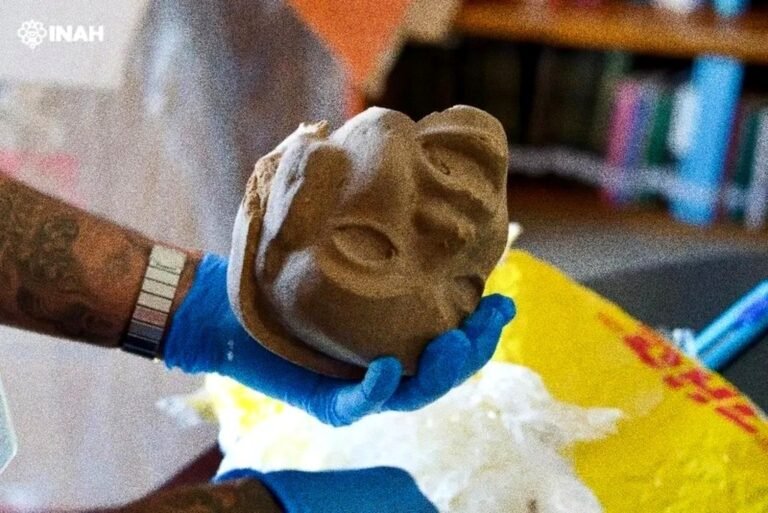
The goal: bring home archaeological pieces sold at auction or seized abroad, and stop the illicit trafficking that takes Mexico’s heritage out of the country.
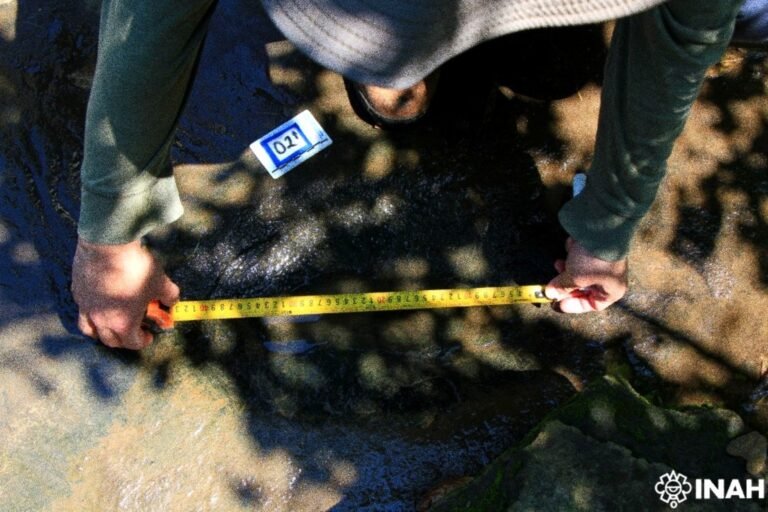
Residents of San Juan de los Plátanos reported tracks of “giant animals” in a stream bed, left 65 million years ago in the Late Cretaceous.

Mexico’s federal government proposes free admission to 53 INAH museums, monuments, and archaeological sites — among them Bonampak, La Venta, and Tamtoc — in next year’s Federal Rights Law, saying the cost of charging is disproportionate to the revenue.
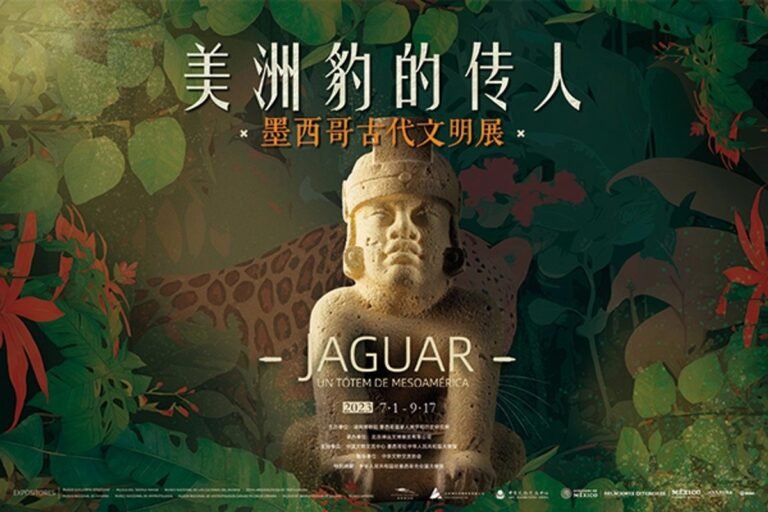
Mexican shows in China have drawn nearly 2.9 million visitors since 2024, and 3.8 million abroad in all; 804 pieces are on display right now in Shanghai.
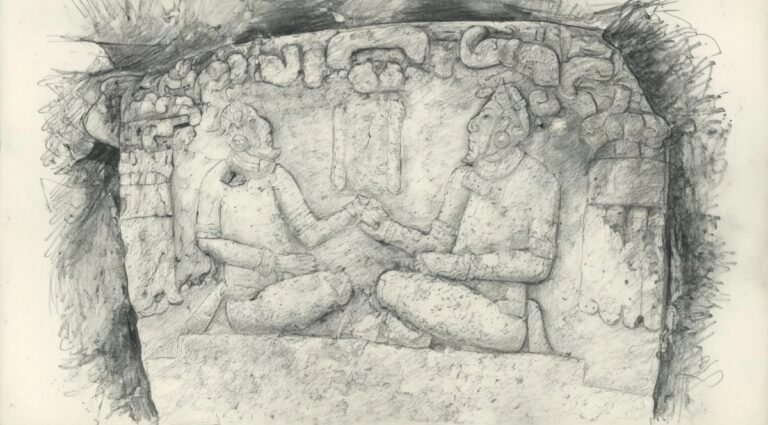
Archaeologists uncovered a civic-ceremonial platform and a 1.88-meter andesite stela with Mayoid features, tentatively dated to the Protoclassic period (200 BC–200 AD).
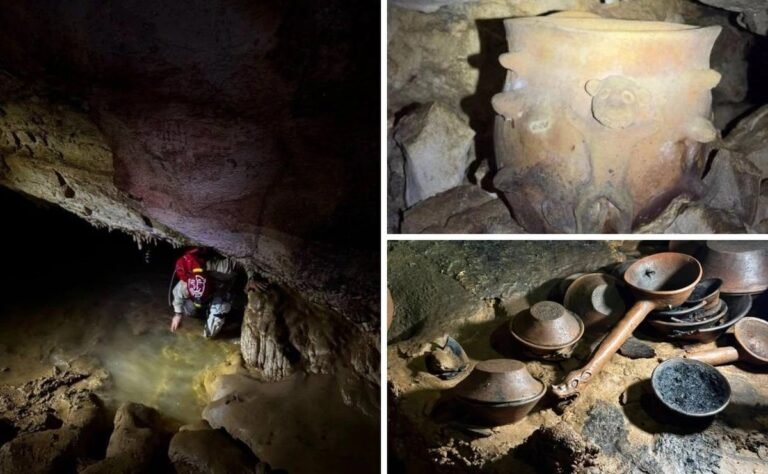
Twenty meters underground and 100 meters long, the Zoque pilgrimage cave in Chiapas has yielded 13 offerings and 179 pre-Hispanic pieces from the Late Classic period (600–900 AD).
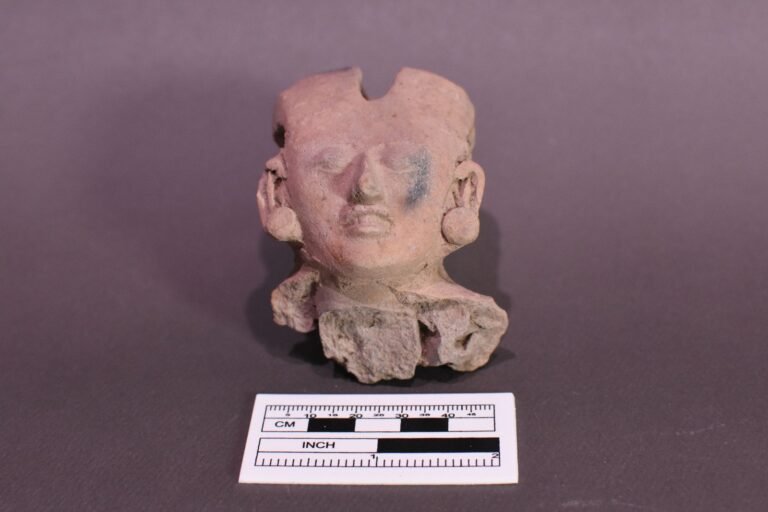
One of the largest archaeological sets returned to Mexico in years, voluntarily handed over and cataloged by more than 40 students over two years.

Most were returned by the United States; the standout is a Mixtec turquoise-mosaic skull recovered from a Dutch museum, among 17,778 pieces in recent years.