How Mexico’s School Junk Food Ban Evolved
This article by Brenda Marquezhoyos originally appeared in the October 9, 2025 edition of El Sol de México. The views expressed in this article are the author’s own and do not necessarily reflect those of the Mexico Solidarity Project.
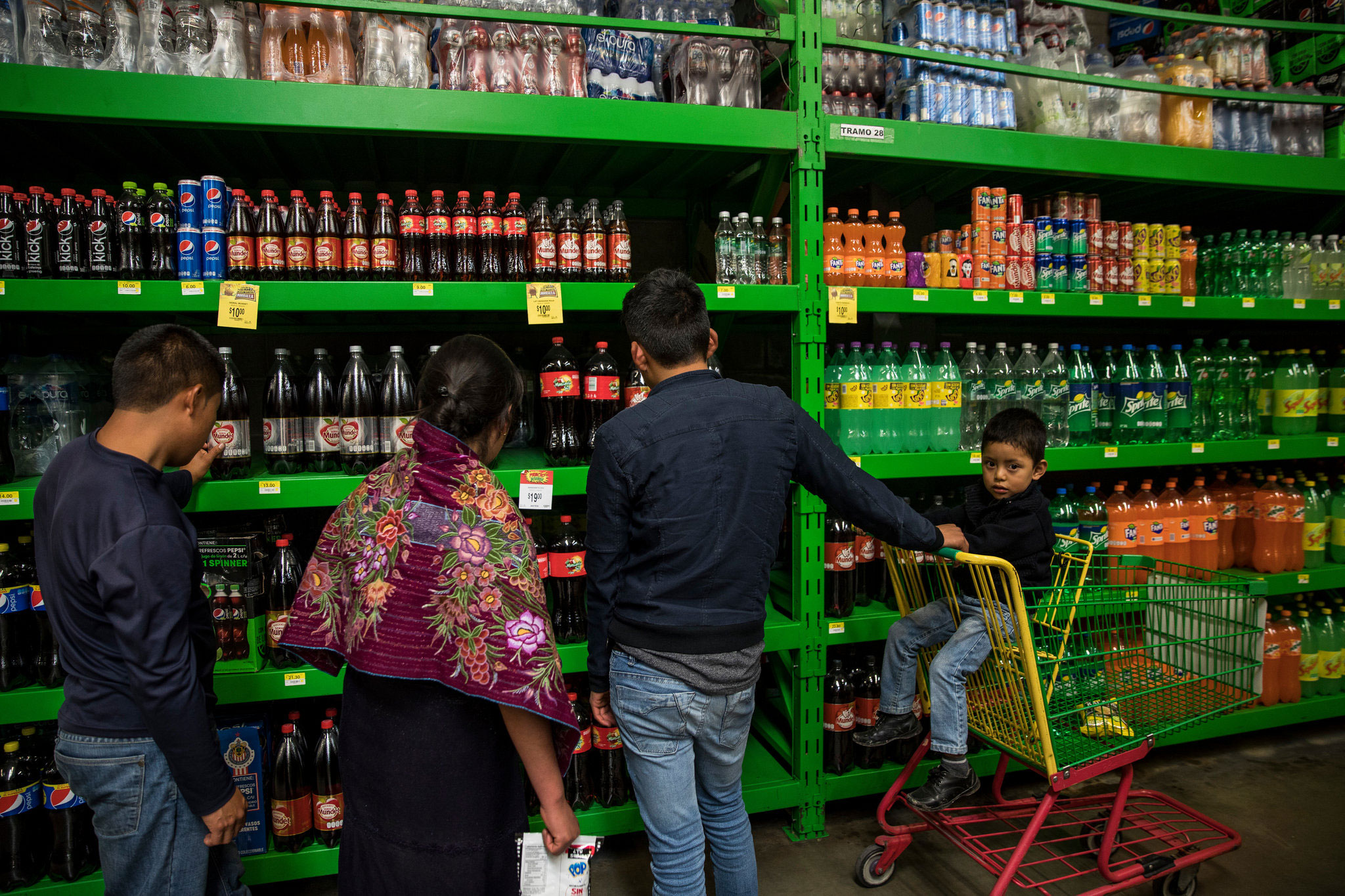
Remember when recess tasted like chips, soda, and cookies? Well, those days seem like a thing of the past. These days, Mexican school hallways smell more of fresh fruit than fried foods, and that—though it may sound tragic to some—is part of a silent but profound transformation: the expulsion of junk food from the national education system.
Yes, the same policy that many believed impossible (“Will children really want to eat jicama?”) is already yielding results. According to the Ministry of Public Education (SEP), 86% of the country’s schools have stopped selling junk food in their school cooperatives, consolidating one of the central pillars of the Live Healthy, Live Happy strategy promoted by the government.
Five court rulings set an important precedent: the right of children to a healthy school environment trumps commercial interests.
The SEP’s strategy seeks something more ambitious than just changing the menu, re-educating the eating habits of an entire generation.
“The well-being of children and adolescents is a priority. School is a place where we learn, but also where we form lifelong habits,” explained Mario Delgado Carrillo , head of the SEP (Ministry of Public Education). The official stated that nearly 2 million people —including teachers, administrators, and families— have already received online training to promote a culture of healthy eating.
In addition, 300,000 copies of the Manual for People Who Prepare, Distribute, and Sell Food in Public Schools were distributed. The goal? For cooperatives to abandon ultra-processed products and offer options that are nutritious without being boring. The country’s school cooperatives now offer fruit, water, and healthy cakes instead of fried foods and soft drinks.
But behind the change lies a battle that was also fought in the courts. The SEP won five court rulings supporting the ban on selling junk food in schools, despite appeals filed by Coca-Cola —through two of its subsidiaries—a chamber of commerce, and a private university.
The rulings came from federal courts in Mexico City and Baja California, and set an important precedent: the right of children to a healthy school environment trumps commercial interests.

In fact, Coca-Cola announced in March that it would stop selling its products in elementary schools, aligning itself (albeit reluctantly) with the government program. By April, Sheinbaum clarified that no agreement had been signed with the industry, and that the measures would continue to be applied independently of the companies.
The SEP maintains that this policy not only seeks to improve nutrition, but also to create a healthier and more conscious generation . According to Mario Delgado, the New Mexican School does not limit itself to transmitting knowledge, but also promotes coexistence, health, and happiness .

“The goal is to guarantee the student community an environment free of ultra-processed products and promote access to foods that strengthen their growth and learning,” he stated.
At the same time, the “Live Healthy, Live Happy” program plans to screen the weight, height, oral health, and vision of 11.8 million students in 90,000 schools. So far, 659 medical teams have treated nearly 200,000 students in the initial stages of monitoring.
As schools transform into healthier spaces, the ultra-processed food industry faces a new dilemma: how to survive a consumer who no longer needs them as much.
Major snack and soft drink companies have had to rethink their strategies for less sugar, smaller portions, and campaigns focused on “active living.” But court rulings make it clear that the school environment will no longer be their playground.
The government hopes that this transformation will be transferred to homes and communities, fostering a lasting culture of health.
“The food wellness policy not only benefits schools, but also drives change across the entire country,” the agency states. “We want to raise the healthiest and happiest generation of girls and boys in the history of Mexico.”
-
Labor Rights Are Human Rights
“Now, the companies hire thugs, some connected to cartels, to intimidate workers,” warns Meizhu Lui, co-founder of the Mexico Solidarity Project, in our latest bulletin, urging Mexico to recognize labor rights as human rights.
-
Promoted by the PAN, International Right-Wing Forum to Be Held in Mexico City
Felipe Calderón and Luis Almagro headline the Sept. 30 Foro América Libre, a network of 70 conservative groups backed by Germany’s Konrad Adenauer Foundation.
-
Ayotzinapa Case: The Report on the New Lines of Investigation Will Be on Monday, Sheinbaum Announces
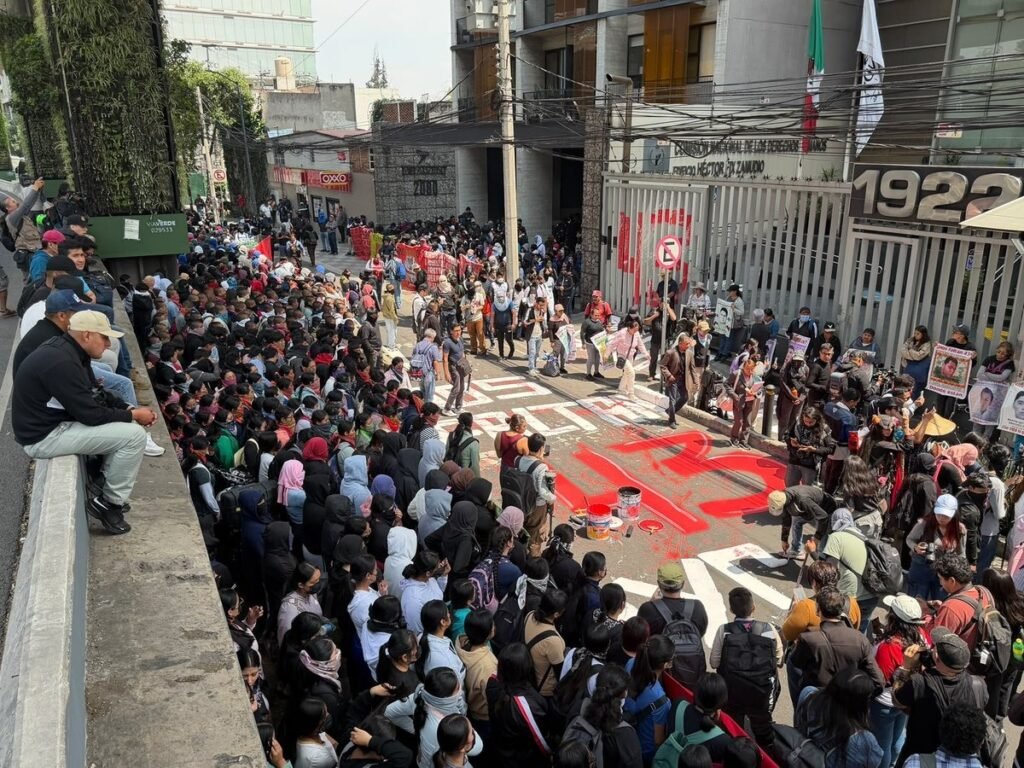
Parents of the 43 protested the Army’s exoneration outside the CNDH; officials will now detail new arrests, searches and cellphone-data leads.