Workers Diplomacy & Bolivarian Brigades
This article by Lev M. Velázquez Barriga originally appeared in the January 5, 2026 edition of La Jornada, Mexico’s premier left wing daily newspaper. The views expressed in this article are the author’s own and do not necessarily reflect those of Mexico Solidarity Media, or the Mexico Solidarity Project.
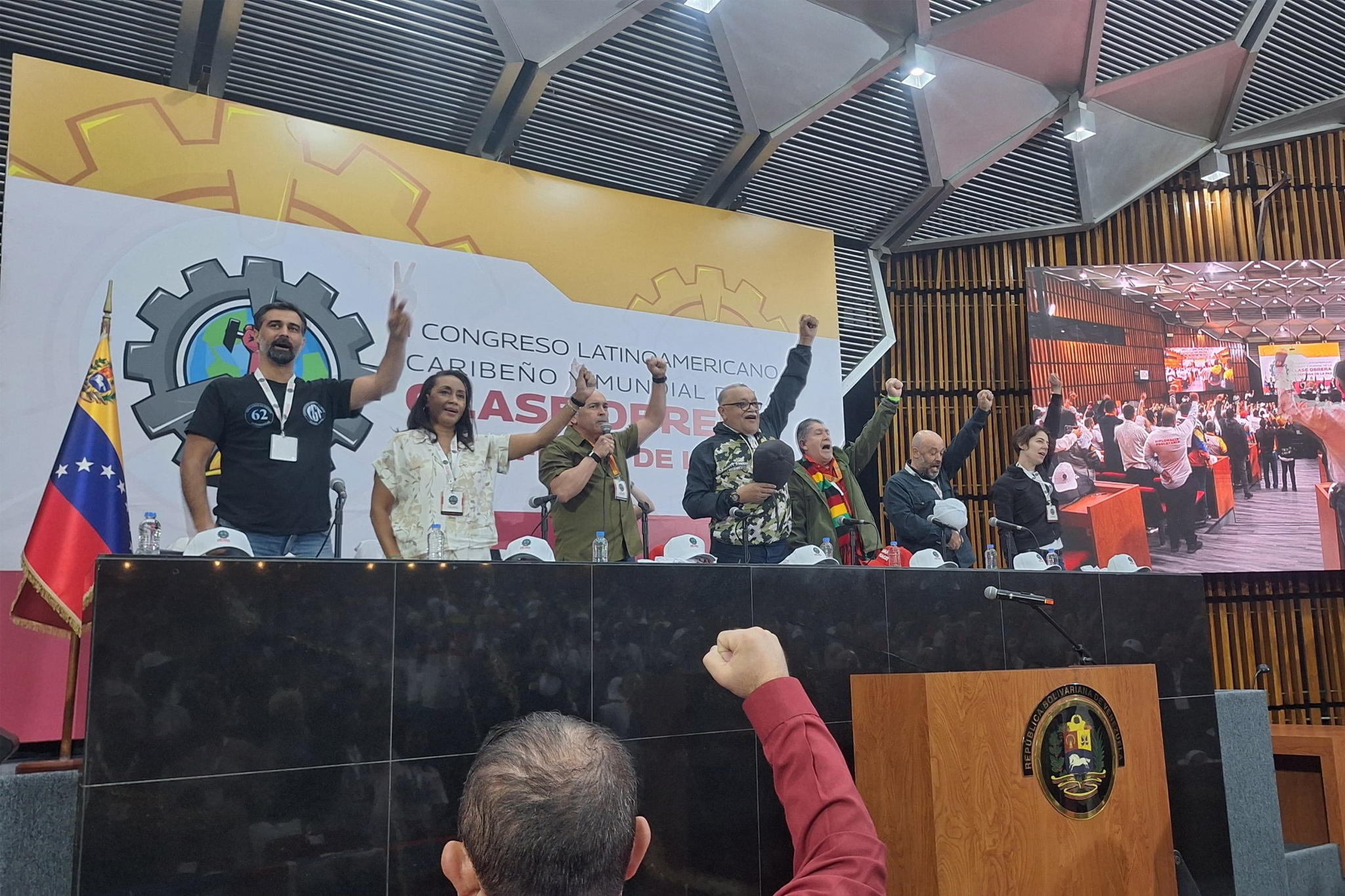
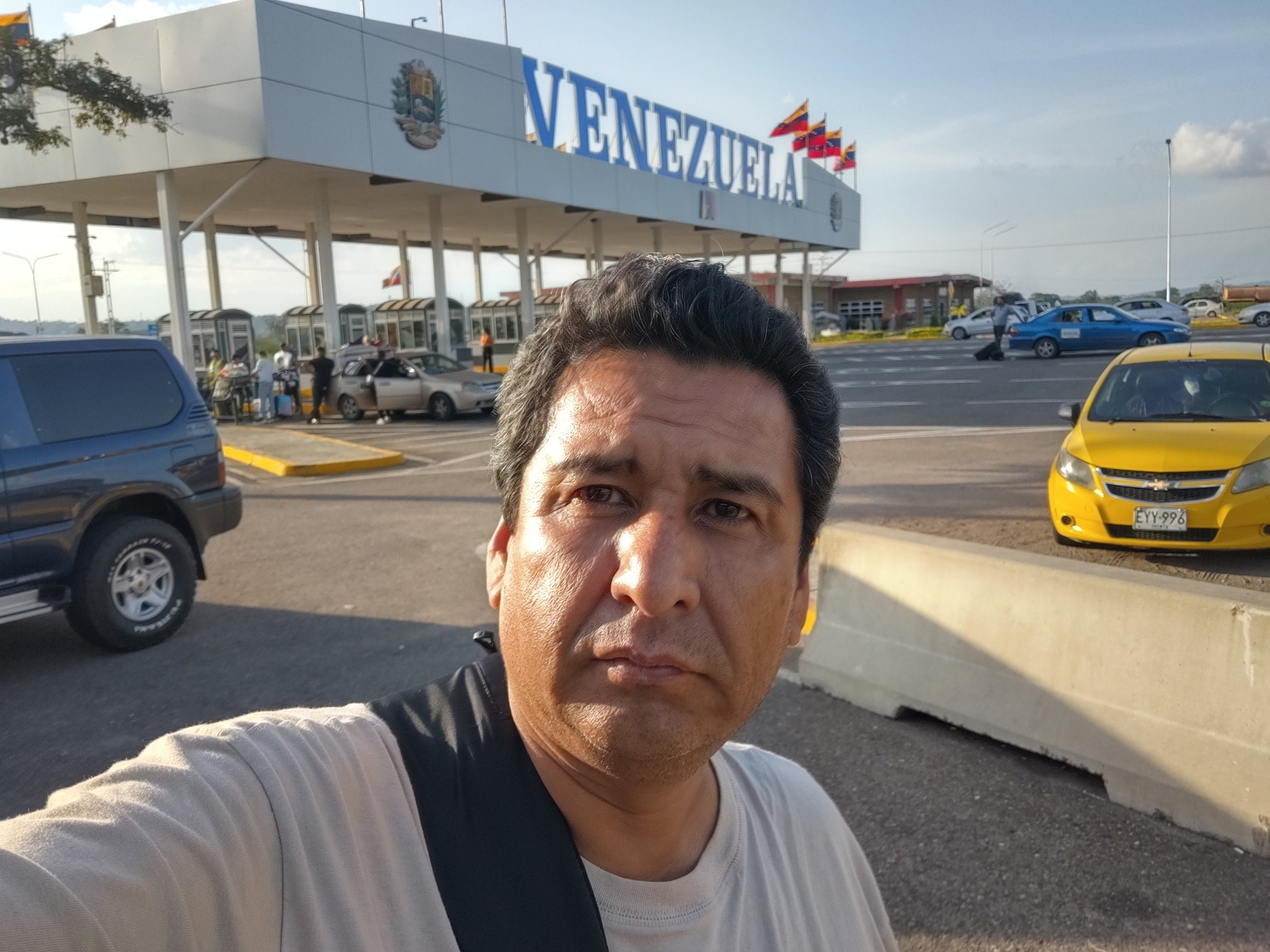
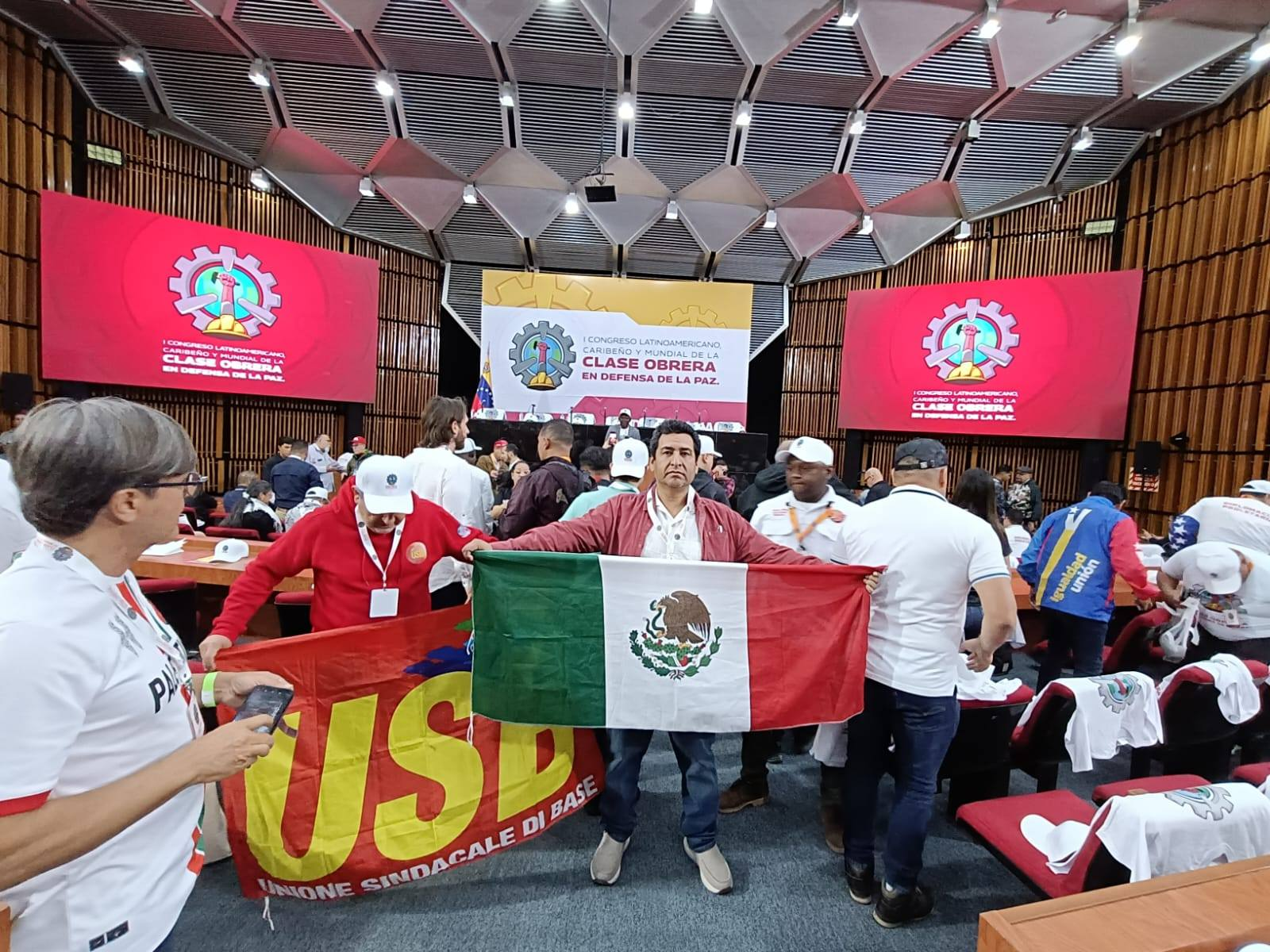
In mid-December, the First Latin American, Caribbean, and World Congress of the Working Class in Defense of Peace was held in Caracas, despite the fact that several delegations were unable to attend and others were forced to undertake long journeys to reach the event via land borders of allied countries. This was due to the US maritime and satellite blockade of Venezuelan airspace and collusion with commercial airlines. The Congress took place amidst various processes that contextualize the conflict in Venezuela, about which I would like to offer some observations.
Cognitive and communications warfare, coordinated by imperialist media outlets, has been fundamental in implanting the idea of a narco-terrorist dictatorship, governing against the popular will and amid the misery of a subjugated people. This has served to manipulate public opinion into justifying the raids by American privateers to steal hydrocarbons and the subsequent appropriation of all Venezuelan oil facilities, as if these were acts of justice. Similarly, the military intervention carried out in the early hours of January 3rd and the kidnapping of President Nicolás Maduro (in which approximately 30 people who organized the resistance were killed) have been presented as a necessary evil to guarantee the supposed economic and political freedoms of the population.
In contrast, Venezuela is well on the path to economic recovery, reorganizing its productive base to achieve import substitution and technological sovereignty, and promoting a communal production model and cooperative entrepreneurship to drive the economy from the ground up. It is no coincidence that ECLAC ranked it as the fastest-growing country in all of Latin America. This was evident in the normalcy of daily life in plazas and streets, gas stations, shopping centers, vacation spots, and nightlife venues, demonstrating the absence of a deep crisis, shortages, anxiety, and widespread discontent.
A path of democratic restructuring and coordination of institutional governing bodies, forms of citizen participation and active consultation, and links with labor unions, social organizations, and communes had been underway to consolidate popular power and a renewed socialist model. This process was to culminate in the first months of 2026 with a Constituent Congress and constitutional re-founding, preceded, in the workers’ sector alone, by 22,000 grassroots assemblies to date. Such an event is abhorrent to North American imperialism, which accuses the country of dictatorship but unilaterally declares illegal wars, ignoring the mandatory consultation of parliament and the opinion of its population.
Simultaneously, the comprehensive security strategy had already been launched, in which not only were the strategic military conditions prepared to contain the imminent US invasion, and the cohesion and protection agreements from the police and provincial governments; but also, to face an asymmetric war from conditions of technological, cyber and digital inequality that already had its first major impact in the presidential kidnapping and the massacre in the assault on the Miraflores Palace; for the above reasons, popular defense in every piece of territory is a latent possibility motivated by the patriotism embodied in the Bolivarian yearning for a free America.
To implement the territorial and popular defense strategy, labor unions proposed to the government of the republic, which was present at the international congress and involved in the consensus-building process for the constituent assembly, their support for the formation of militias in every workplace and a command led by the leaders of the labor unions. By the end of the year, almost 5 million rural and urban workers had enlisted. Although nothing is certain, sustaining the invasion to seize Caribbean assets or the already declared imposition of a neocolonial government would be extremely difficult under these conditions.
Adding to this complex situation are the hesitant and insufficient measures taken by national governments around the world and multilateral organizations to guarantee peace; therefore, the call from the Caracas Congress for active solidarity and international unity of the working class against the global war of occupation unleashed by the terrorist leadership headed by the US government is of paramount importance.
The proposal for workers’ diplomacy calls for coordination in defense of national self-determination, and for cooperation and solidarity among national and international workers’ organizations to foster respect among countries. However, the conclusion is that simultaneous offensive measures are required, including synchronized mobilizations and pressure tactics, to move beyond mere condemnations by states regarding sanctions, trade and diplomatic ruptures, and the formation of Bolivarian information and organizational brigades to wage the cultural battle against neocolonialism.
The challenge is to recover the centrality, unity, and leading role of the working class; this implies challenging the relative passivity of organizations such as the World Federation of Trade Unions, its affiliates and members, including those that have declared themselves anti-imperialist, but which, within the diversity of the left, do not converge into a single effort of social, workers’, and education workers’ movements.
-
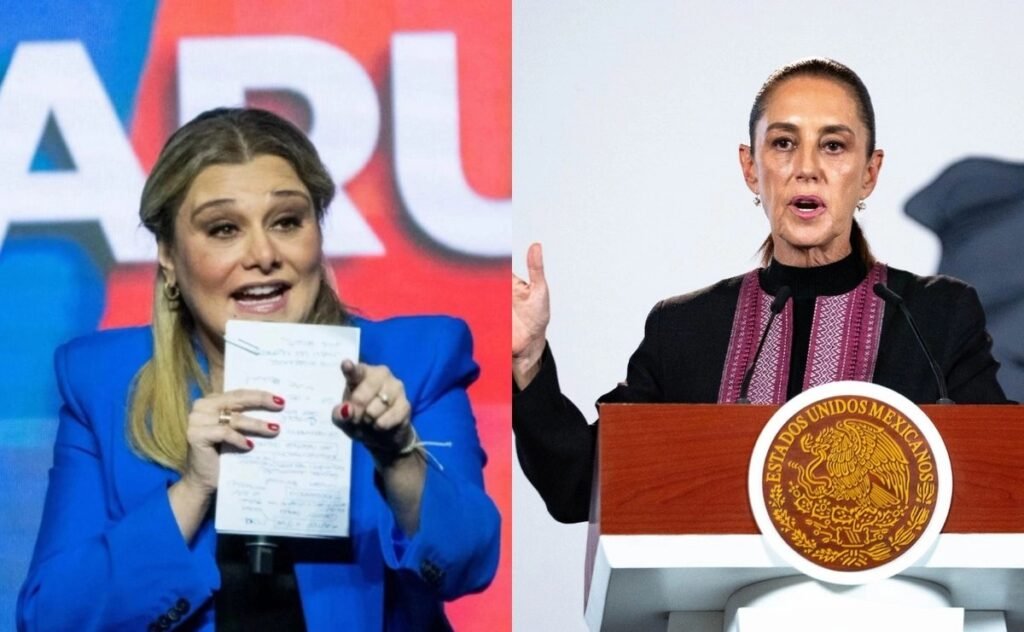
Sheinbaum Meets Privately with Maru Campos on Her Arrival in Ciudad Juárez
If any law was broken in the drug operation involving CIA agents in Chihuahua, those responsible, including state officials, must be prosecuted, the two agreed.
-
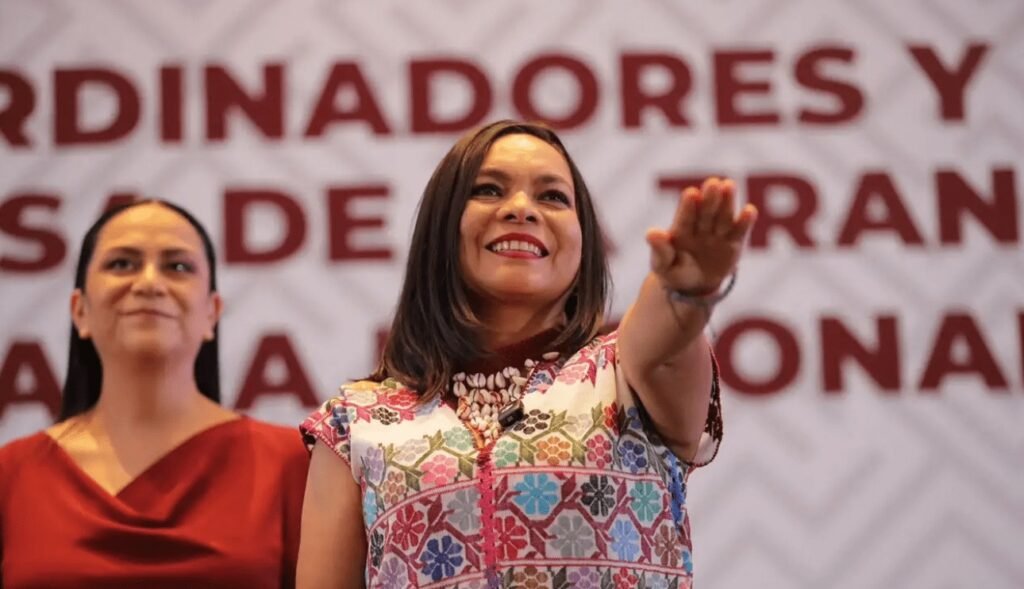
Beatriz Mojica: From Criticizing AMLO to Coordinating Morena in Guerrero
The senator on leave is Morena’s pick for governor of Guerrero in 2027, after a career that includes the PRD and her 2018 support for Ricardo Anaya.
-
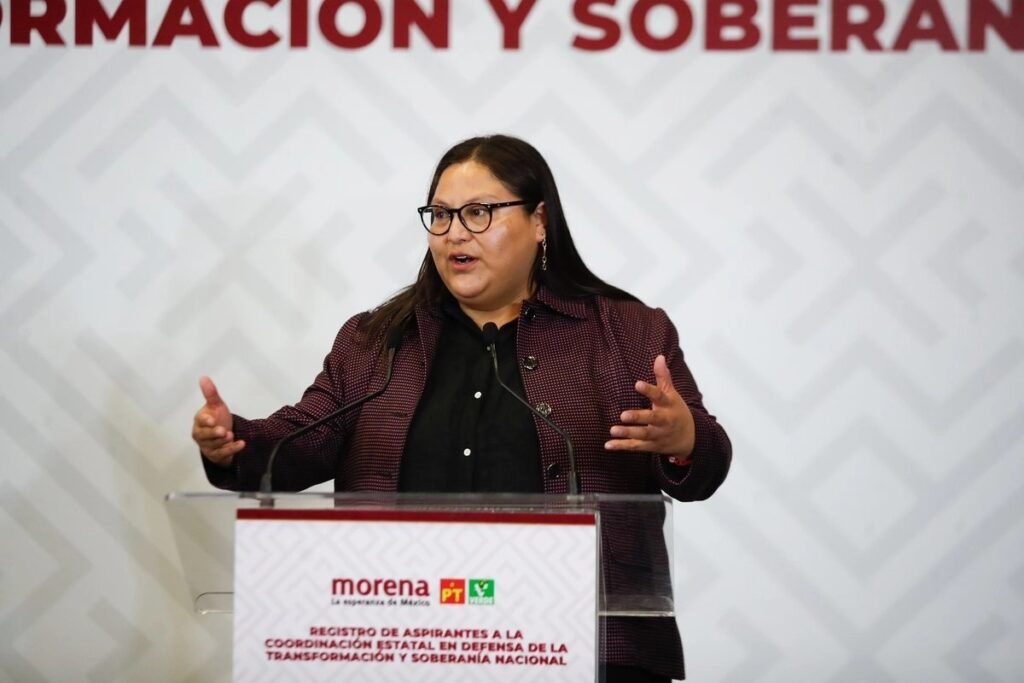
Morena’s Elections Commission Chief: Differences Are Natural to a Living Party
Amid criticism over the 10 chosen profiles, Citlalli Hernández, president of Morena’s National Elections Commission, defended the differences as natural to a living party.