Farmers Will Blockade World Cup if Government Doesn’t Address Agricultural Crisis
This article by Alejandro Torres Lemus originally appeared in the March 10, 2026 edition of La Jornada, Mexico’s premier left wing daily newspaper.
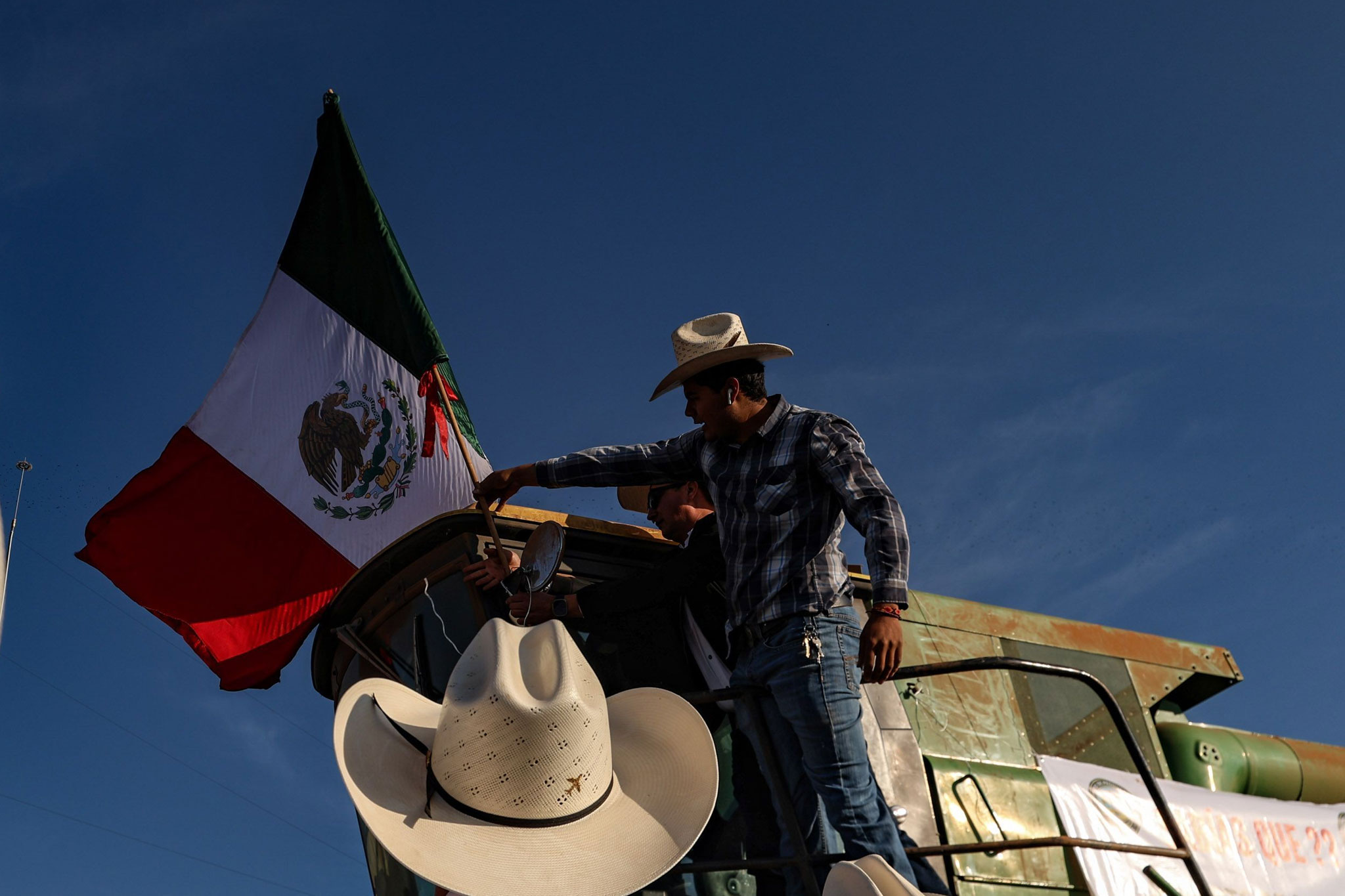
Agricultural producers affiliated with the National Front for the Rescue of the Mexican Countryside (FNRCM) sent a letter to the organizers of the 2026 World Cup warning that if the federal government does not address their demands and the crisis facing the countryside, they will block highways during the sporting event, and, depending on the authorities’ response, they are even considering disrupting airport operations.
In an interview with La Jornada, Baltazar Valdez Armentia, president of the organization Campesinos Unidos de Sinaloa, explained that the document was sent to warn about the possibility of intensifying protests in the coming months due to the lack of solutions to the profitability problems faced by farmers’ crops.
“Let’s hope we don’t reach that point, but we have warned that we could intensify the demonstrations in June, coinciding with the World Cup; the roads could be blocked if there are no responses from the government,” he warned.
Valdez Armentia clarified that the threat is not intended to create conflict, but rather to highlight the severity of the situation facing the primary sector in the country. He explained that farmers have been facing a profit crisis for about three years in most of their crops, mainly staple grains such as corn, wheat, sorghum, and beans. “At this moment, there is practically no profitability; the countryside is slowly being devastated,” he warned.
On February 28, representatives of agricultural producers held a meeting with President Claudia Sheinbaum Pardo, in which they explained the crisis in the Mexican countryside and the main demands of the sector.
In that meeting, “we discussed the issue of corn prices in Sinaloa; she committed to a dialogue with the industrialists of the livestock sector to establish a profitable price based on the Chicago Board of Trade, plus a contribution from the industrialists and the government without specifying a price, in addition to regulating imports.”
He mentioned that the free importation of corn leaves them defenseless against the competitive price of American farmers, “who are full of subsidies, compared to the national ones who do not have enough support.”
“They don’t know the reality of Mexican agriculture”
In this context, Valdez Armentia pointed out that the head of the Secretariat of Agriculture and Rural Development, Julio Berdegué, “is opposed to rescuing the agricultural sector. Last year we signed agreements, and they haven’t been fulfilled. The President even appointed the Undersecretary of Agriculture (Leonel Cota Montaño) and his private secretary, Carlos Morales, as liaisons with Sinaloa farmers regarding the price of corn, and that reflects very poorly on the Secretary. From my point of view, he doesn’t understand the reality of Mexican agriculture,” he stated.
Given this situation, the FNRCM plans to hold a series of protests and blockades on March 23. They were originally planned for the 20th, but were rescheduled because they have a meeting on the 19th with academics and producers from the United States and Chile at the Faculty of Economics of the National Autonomous University of Mexico.
Excluding basic grains from the USMCA, among the demands
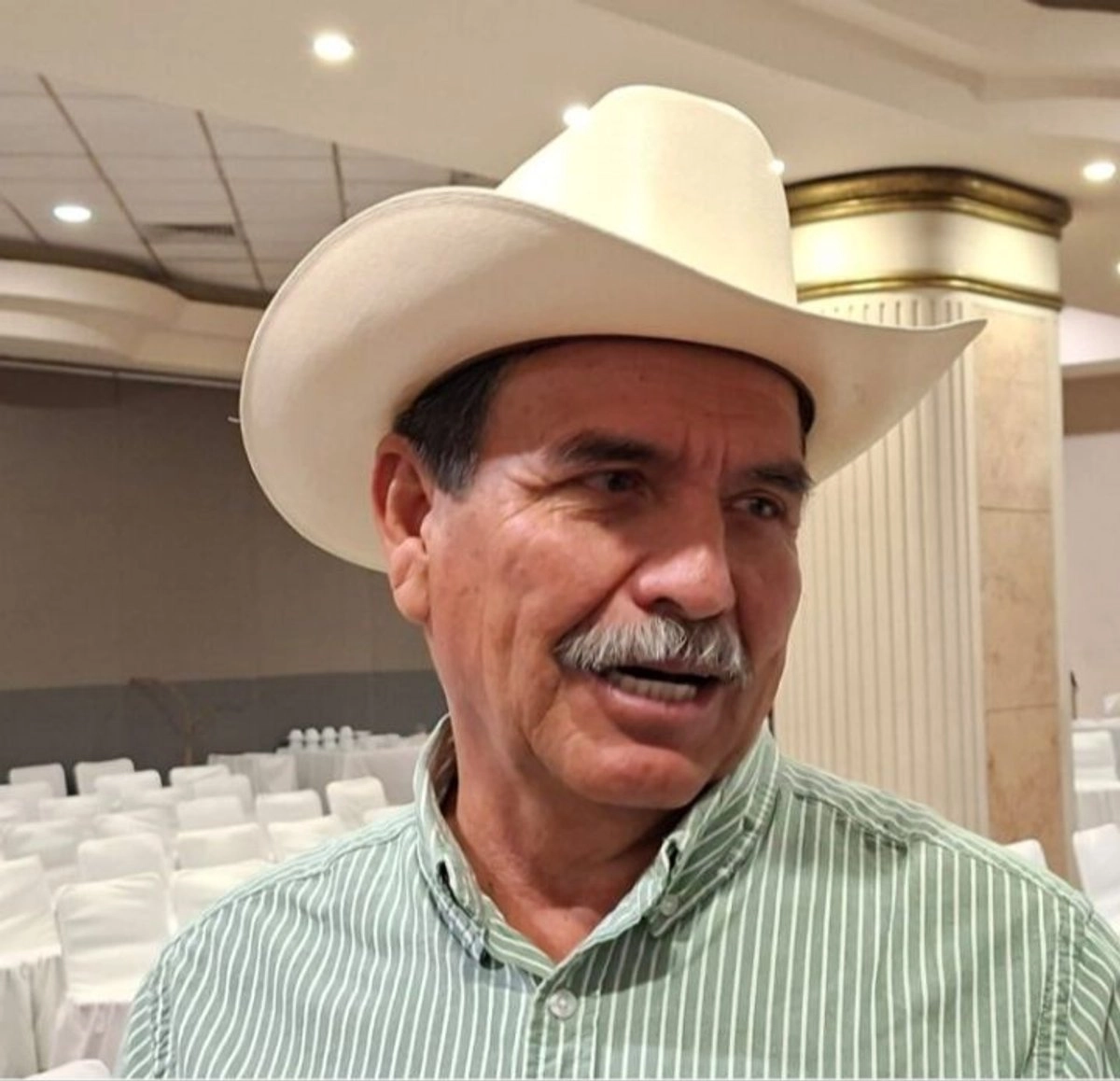
Among the main demands of the front is the exclusion of basic grains from the Mexico-United States-Canada Free Trade Agreement (USMCA), since farmers believe that free imports will allow them to recover production costs along with a reasonable profit, without affecting the market price for the consumer.
The peasant leader explained that Mexican producers compete on unequal terms against farmers from other nations who receive more subsidies and government support.
“Corn is a clear example; while consumers continue to pay for corn-derived products calculated at prices of up to seven pesos per kilo, producers currently sell their grain for around 4.30 pesos according to the Chicago Board of Trade,” he explained.
Among the key points in the farmers’ demands are establishing a guaranteed price policy and reviewing the supply chain of basic grains to redistribute profitability towards the most affected producers.
“The rescue of the countryside should be a matter of national interest; for us it is a question of survival or disappearing from agricultural activity,” concluded the president of United Farmers of Sinaloa.
-
Sheinbaum Backs UN Resolution on Pedro Castillo
Sheinbaum backed a UN panel that found Castillo’s detention arbitrary, said his ouster lacked the votes Peruvian law required, and signaled Mexico is open to restoring ties with Lima.
-
Under Calderón There Was Interference, Deals With Cartels, and Violence Increased: Sheinbaum
Sheinbaum said Calderón’s pacts with the Sinaloa Cartel and unchecked US operations drove homicides up 148%, citing Fast and Furious.
-
Centro Fox, a Little Gift from the Elites Thanks to Tax Favors, Will Become a Catholic School
Former Mexican President Vicente Fox handed his elite-funded complex, bankrolled by Slim, Azcárraga and Salinas, to a Catholic order on a 100-year loan.