Sanampay. Yesterday, Today & Always.
This article by Fernando Morán originally appeared in the May 17, 2026 edition of La Jornada, Mexico’s premier left wing daily newspaper.
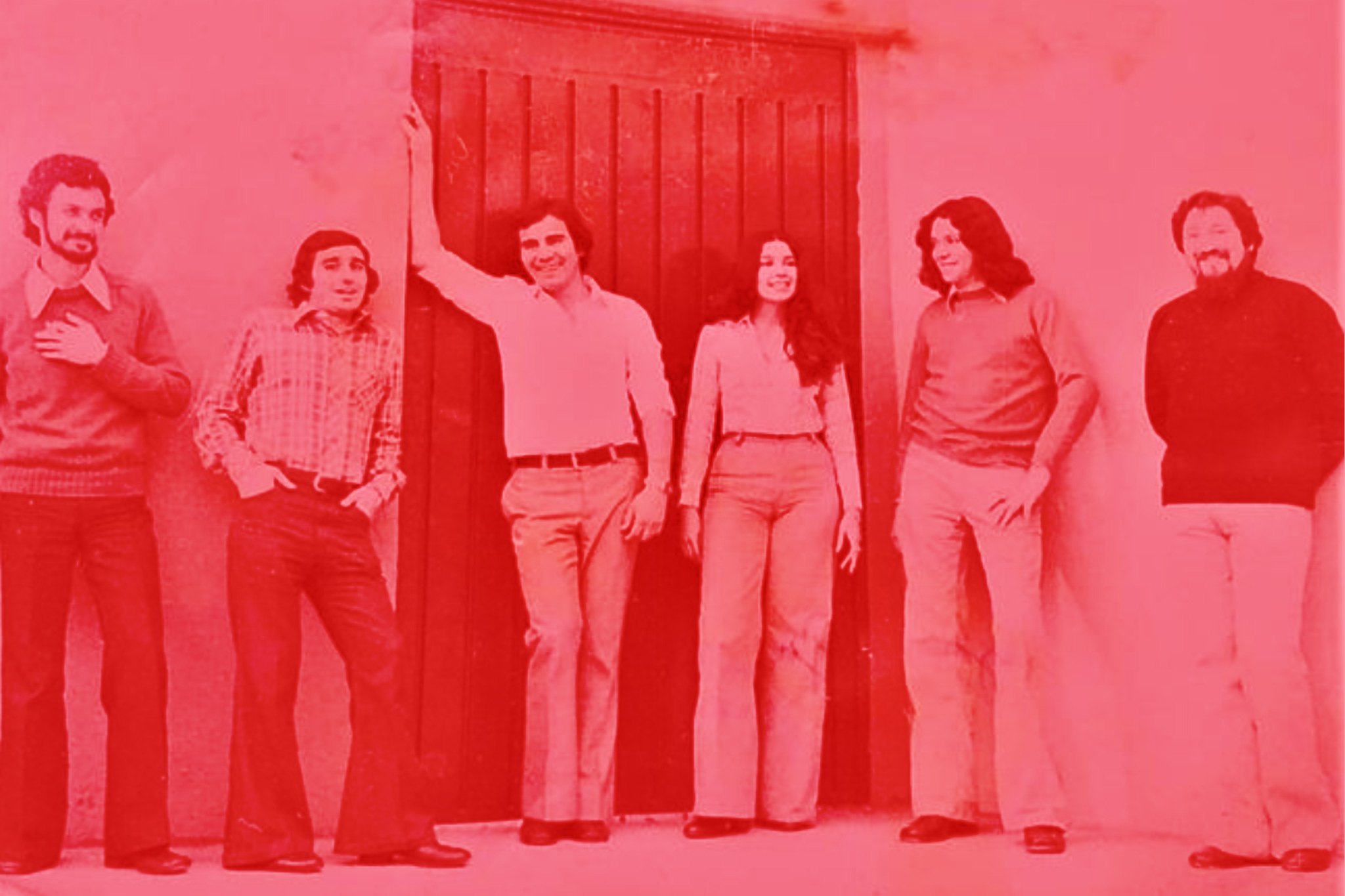
In 1977, almost half a century ago, one of the most popular groups in Latin American folk and nueva canción was formed in Mexico. This group gave a new dimension to Andean music, which, due to its quality, immediately achieved great acclaim. This impact was not only musical but also extended to the themes of their work, which broke with the established norms of an audience accustomed to the orthodoxy and purism of certain sectors of the left, who, rather than proposing new ideas, sought to impose what music should be.
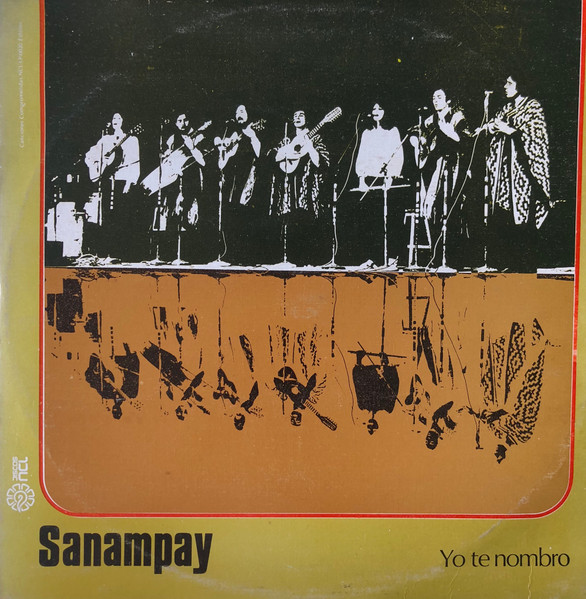
In this case it was not the incorporation of electronic instruments or genres like rock, because although they used the charango, the quena, the zampoñas, the bombo and the guitar as part of their main instrumentation, in addition to wearing South American ponchos, it was rather the objective way in which it was part of their repertoire.
Thus, we could see a National Auditorium or different forums where the majority of the public was dressed in jeans and folk shirts, but who listened and were equally enthusiastic when listening to Ave Maria, by Johann Sebastian Bach and Charles François Gounod, and who sang and adopted as a slogan the song Yo te nombro, by Gian Franco Pagliar.
These were times of change for protest music in Mexico; due to exiles and liberation struggles, the new Mexican song movement was enriched by new instruments, rhythms, and melodies, as well as ideological concepts. Despite the jeers directed at Guadalupe Trigo for wearing a charro suit on a television program, or at the trio Briseño, Carrasco, and Flores for performing music accompanied by a synthesizer, electric bass, and drums, acceptance gradually began to grow for different genres and instrumentations, as well as for the costumes to which they were accustomed.
In this way, one could already hear Alfredo Zitarrosa with a cigar in hand, accompanied by a quartet of guitars, all impeccably dressed in suits, in the same way as with the Camerata Punta del Este.
But, if it was about traditional garments, you could hear Carlos Mejía Godoy and Los de Palacagüina dressed in their cotton shirts singing both Son tus perjúmenes mujer and El Cristo de Palacagüina, the latter part of a theme that was overlooked in Mexican nueva canción.
Sanampay has a precedent in Argentina, which was the group Huerque Mapu, created on March 22, 1972, just on that day –moments before their presentation– they learned of the murder of 16 political prisoners in the Trelew jail.
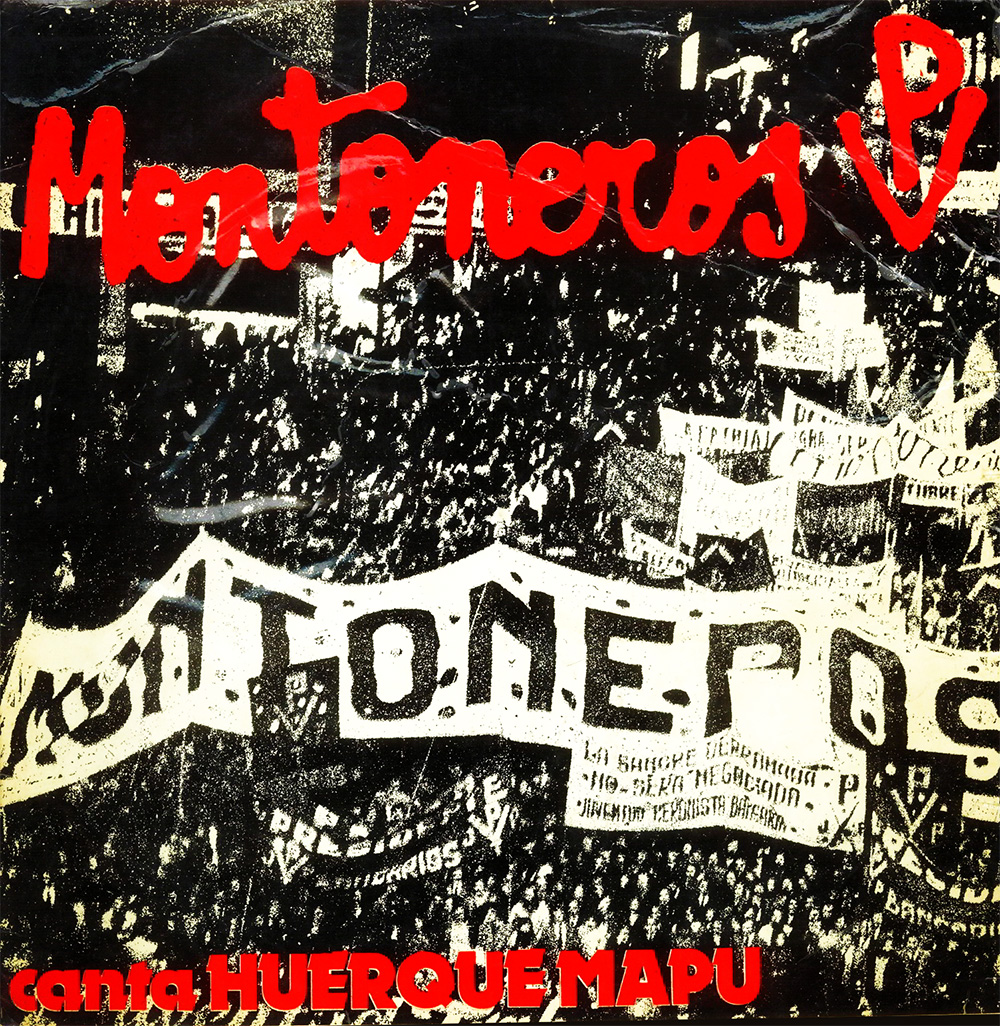
Influenced by the Cantata de Santa María de Iquique, the first work of the new Chilean song that included “classical-academic” music, they began to include harmonies of that trend in their repertoire, in addition to recording the Cantata Montoneros, which caused them political problems with the emerging dictatorship, which ultimately led them into exile.
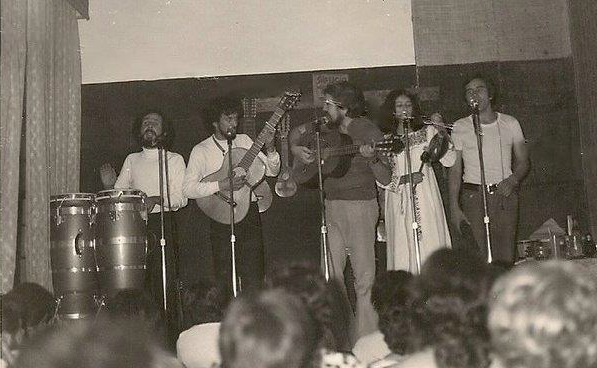
Naldo Labrín arrived in Mexico in 1976, where he immediately began working in the folk music clubs in the south of the city and, by relating to other musicians and reuniting with some of his countrymen, he generated the idea of creating a group based on the experience with Huerque Mapu.
Among the members who were part of Sanampay in Mexico were Guadalupe Pineda, Guillermo Contreras, Eugenia León, and Jorge González. Also included were Maurice Assouline (France), Naldo Labrín, Delfor Sombra, Eduardo Bejarano, Hebe Rosell, and Carlos Díaz Caíto (Argentina).
In Mexico, they recorded three full-length albums, the first titled Yo te nombro, which is perhaps the best-selling album of the nueva canción movement in Mexico to date. Thanks to Julio Solórzano, owner of the record label Nueva Cultura Latinoamericana and who also became their manager, the group Sanampay performed in many parts of Mexico, including the Sala Nezahualcóyotl and the Auditorio Nacional.
Naldo Labrín’s work extended to the production and musical arrangements of albums by Guillermo Velázquez and Los Leones de la Sierra de Xichú, Amparo Ochoa, Tania Libertad, and Alfredo Zitarrosa. He also collaborated with Nicaraguan musicians Carlos and Luis Enrique Mejía Godoy on the album Guitarra Armada, and with the latter as arranger on the song Así te quiero yo, which participated in the OTI Festival in 1981.
In 1983, Naldo returned to Argentina, where he has conducted symphony orchestras and continued with the Sanampay group, which has announced its farewell to the stage, due to the work that Naldo will now do as rector of the University of the Arts, in his native Neuquén.
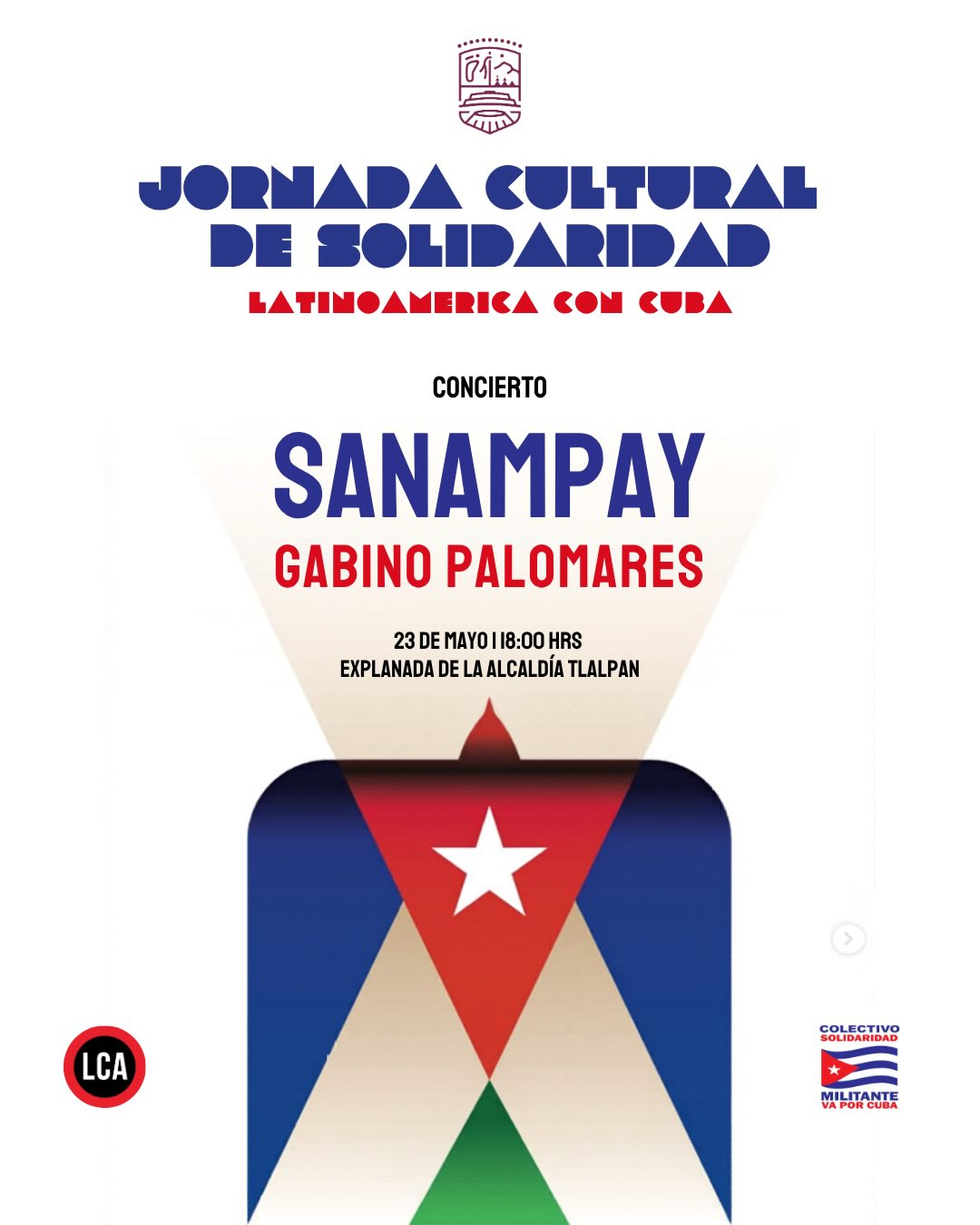
To say goodbye, they will travel from Argentina to the city of Guadalajara, where they will perform on Friday, May 22nd at the Jaime Torres Bodet Theater, and the final concert will take place on Sunday, May 24th at 4:00 PM at the Teatro del Pueblo in Mexico City.
-
Labor Rights Are Human Rights
“Now, the companies hire thugs, some connected to cartels, to intimidate workers,” warns Meizhu Lui, co-founder of the Mexico Solidarity Project, in our latest bulletin, urging Mexico to recognize labor rights as human rights.
-
Promoted by the PAN, International Right-Wing Forum to Be Held in Mexico City
Felipe Calderón and Luis Almagro headline the Sept. 30 Foro América Libre, a network of 70 conservative groups backed by Germany’s Konrad Adenauer Foundation.
-
Ayotzinapa Case: The Report on the New Lines of Investigation Will Be on Monday, Sheinbaum Announces
Parents of the 43 protested the Army’s exoneration outside the CNDH; officials will now detail new arrests, searches and cellphone-data leads.