The Meaning of October 12
This article by Felipe Ávila originally appeared in the October 12, 2026 edition of La Jornada, Mexico’s premier left wing daily newspaper.
On October 12, 1492, the Genoese navigator Christopher Columbus, at the head of a naval expedition of three caravels sent by the monarchs of Castile and Aragon, Ferdinand and Isabella, reached the small island of Guanahaní, in the Caribbean archipelago, which the expeditionaries named San Salvador. The purpose of the voyage was to find an alternative commercial sea route to the Indies, sailing west across the Atlantic Ocean. Columbus died believing he had reached the Indies, an error that Amerigo Vespucci corrected years later, demonstrating that the lands found were a continent, which the Europeans called America.
The Europeans found human beings who surprised them by being naked, by the darker tone of their skin, by a language they did not understand, and by a way of life very different from the one Europeans of that era were accustomed to.
In accordance with what Columbus had agreed with the Catholic Monarchs in the Capitulations of Santa Fe, he unilaterally took possession of the land they had reached and, although Columbus did not say so in the testimony he sent to the monarchs, he captured several native men by force and took them to Spain to show them to the monarchs.
That first contact between the Europeans and the natives of what would become America was a historic event that changed world history forever. It was the beginning of a relationship of colonial domination, in which the Europeans declared war, defeated, conquered and subjugated the native peoples, dispossessed them of their lands, enslaved those who offered resistance, exploited their labor, raped many of their women, prohibited and punished their religious practices, imposed Christianity and a foreign government on them, as well as laws and institutions to consolidate a system of colonial domination over a large part of the American continent, a system that lasted until the 1820s.
From that first contact, Columbus and the Europeans who accompanied him, and who very soon returned in larger expeditions, felt superior to the Native Americans. He informed Ferdinand and Isabella that they were people very simple in arms and that with 50 Europeans they could subjugate them all and force them to do whatever the Europeans wanted.
Less than a year later, Pope Alexander VI unilaterally granted full dominion over the American lands, and over others that Castilian or Portuguese navigators might discover, through the Bull Inter Caetera of May 4, 1493. In it, the pope told the Catholic Monarchs that the Catholic faith and the Christian religion must be spread everywhere to procure “the salvation of souls and that the barbarous nations be humbled and brought to this faith… We certainly know that you had proposed to seek and discover some mainlands and remote and unknown islands, not discovered until now by others, in order to bring their inhabitants to the worship of our Redeemer and the profession of the Catholic faith.”
The pontiff referred to Columbus’s expedition, which found “certain very remote islands and also mainlands that until now had not been discovered by others, in which dwell many peoples who live peacefully and, as is asserted, go naked and do not eat meat: and, as your aforementioned envoys can judge, these peoples who inhabit the said islands and lands believe in one God the Creator who is in heaven, and they consider them quite fit to embrace the Catholic faith and to be imbued with good customs…”
On those islands they had found gold, perfumes and valuable things that awakened the greed of the European invaders. For this reason, the pope authorized continuing those expeditions with the incentive that those lands –which were not empty, since they were populated by millions of native inhabitants who had lived on them for millennia– would be the property of the Castilian and Portuguese kingdoms, since he granted “with the fullness of apostolic power: all the islands and mainlands, discovered and to be discovered, found and to be found toward the west and south, drawing and establishing a line from the Arctic Pole, that is, the North, to the Antarctic Pole, that is, the South, whether they be on mainland or on islands discovered and to be discovered toward India or toward any other part…”
On that basis began the process of exploration, territorial occupation, wars of extermination, exploitation and subjugation of millions of human beings who were considered inferior to European civilization, which they themselves considered superior. It was a brutal war of conquest and colonization disguised as a just war, a crusade to forcibly convert the natives to the Christian religion.
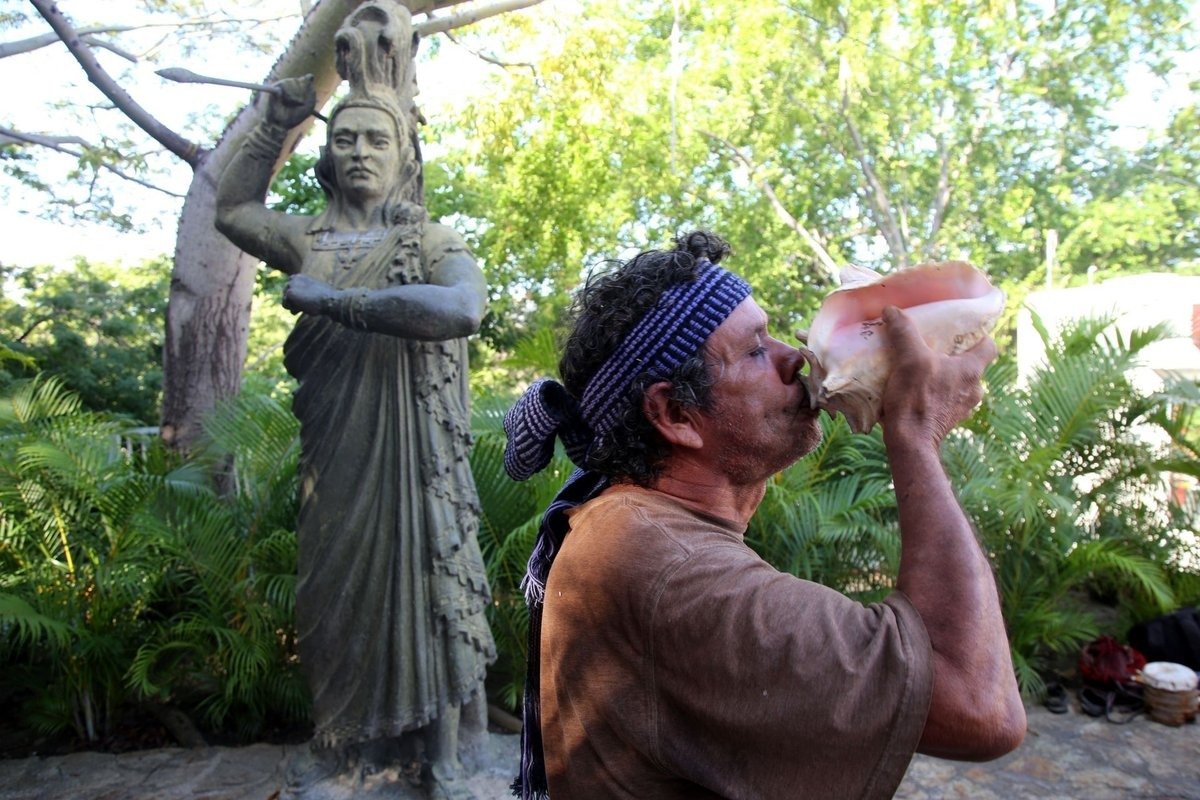
The date that symbolized that process as its starting point was that October 12. The Europeans christened it the Discovery of America, ignoring that this continent already existed, was densely populated, and that great civilizations had developed on it. For centuries, the new masters of the territory perpetuated the idea and meaning of that colonization by commemorating its starting date, which they called “discovery.” It was not until 1992, on the fifth centenary, that millions of Indigenous Americans mobilized and protested against that celebration and gave it a new name and meaning, the one that has gained general acceptance: October 12 is the Day of Indigenous Resistance, which makes a 180-degree turn and underscores the process of resistance, of survival, of struggle of the Indigenous peoples to maintain their culture, their forms of organization, their history and their values, and that is the meaning that must prevail.
Felipe Ávila
Director of the National Institute for Historical Studies of the Revolutions of Mexico.
-
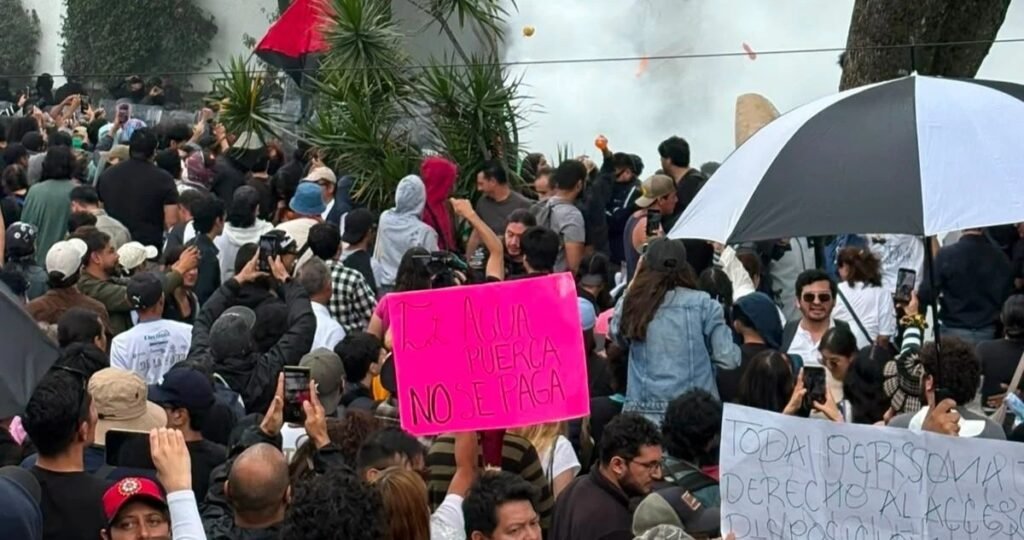
Thousands Demand Clean Water in Jalisco and Lemus Uses It to Repress Them
In Jalisco, governed by the opposition party Movimiento Ciudadano, police met the march with water cannons and tear gas, and protesters reported arrests and two people disappeared.
-
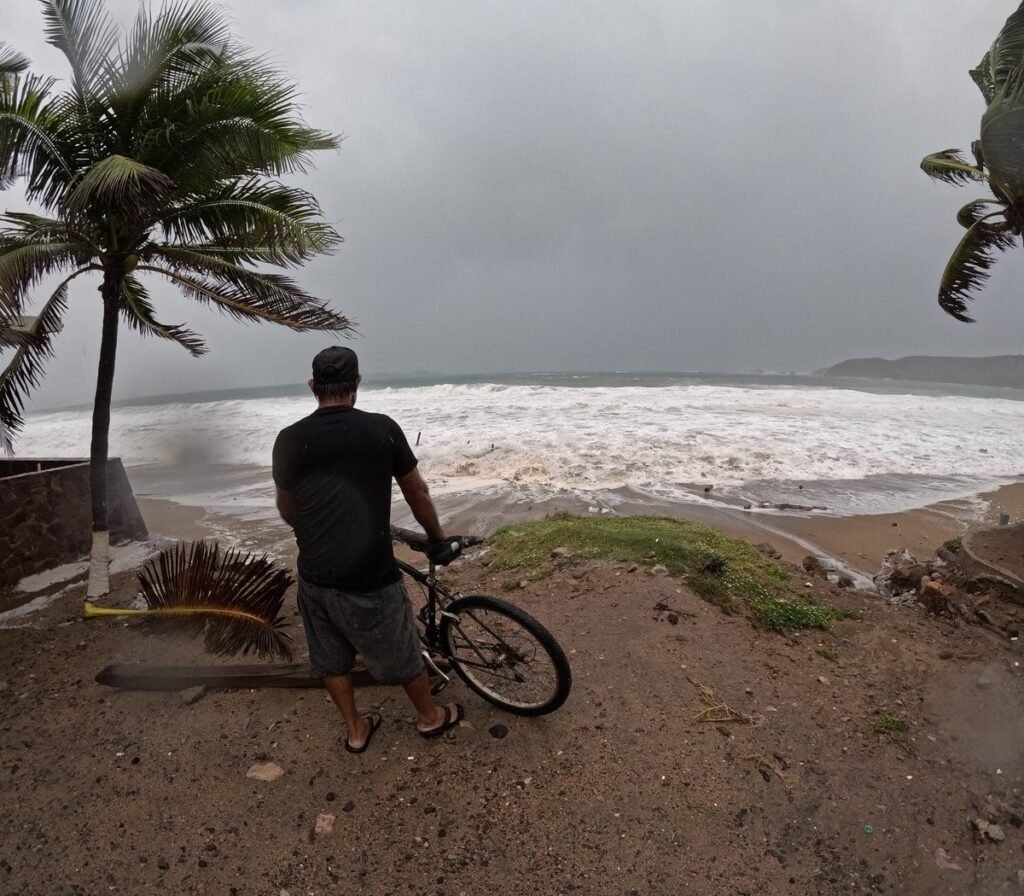
Hurricane Simon Paralyzes Towns and Highways in Jalisco Amid Forecast That It Will Make Landfall
With an erratic path, the Category 4 storm keeps the coast shut in under nonstop rain, though no casualties have been reported so far.
-
Mexican Book Fairs
“Book fairs in Mexico are among the great gatherings that speak of how a people nourishes itself on books,” observes Poniatowska.