Socialism & Anti-imperialism in Mexico During the 1970s & 1980s
Widespread anti-imperialist mobilizations served as a pressure mechanism against the subservient and collaborationist policies of regional governments.

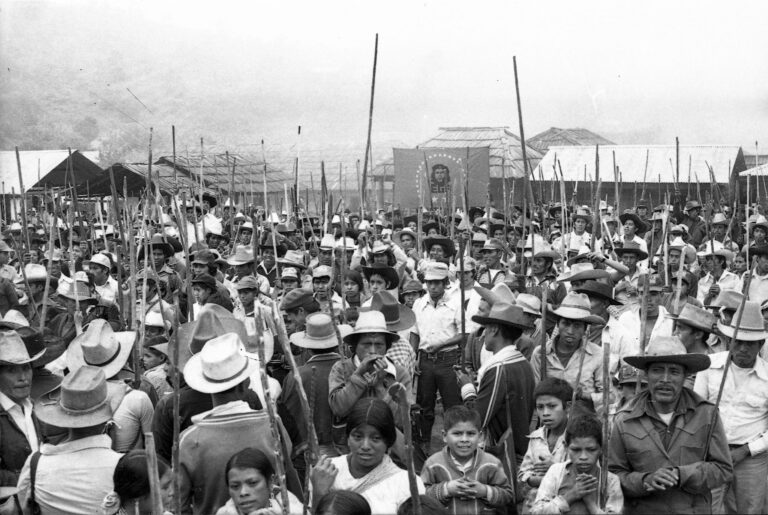
Widespread anti-imperialist mobilizations served as a pressure mechanism against the subservient and collaborationist policies of regional governments.
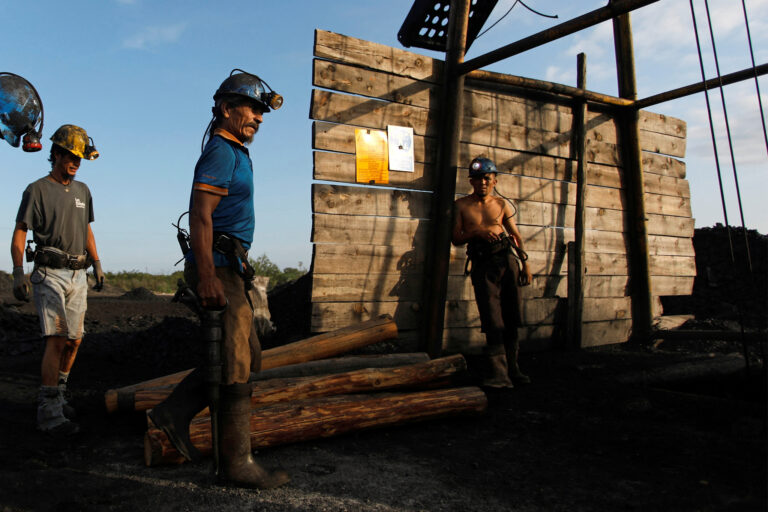
The yet-to-be-disclosed 200 mining concessions voluntarily returned to the Mexican state represent less than 1% of the 22,000 currently active, while questions remain about the government’s new strategy.
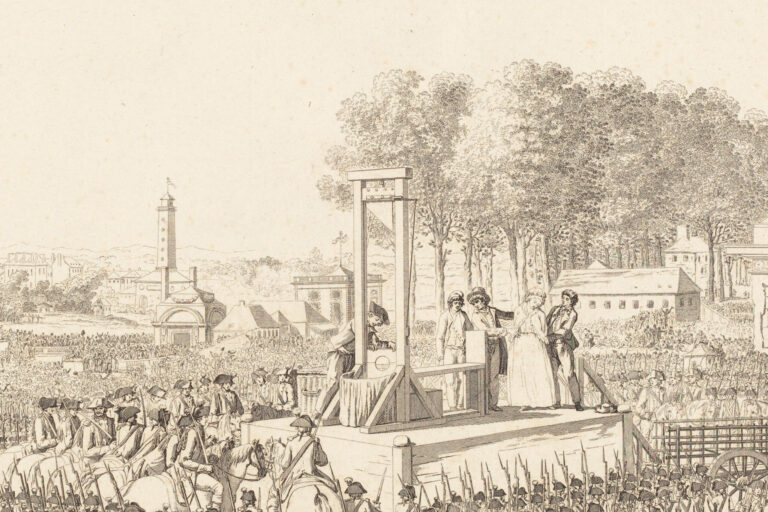
Less than 8 pesos out of every 100 that the rich earn thanks to our collective effort returns to the economy in the form of investment. They are rentiers, clinging to their inherited fortunes, their connections to political & academic power & they extort the State when it threatens even the crumbs they refuse to give us.

Mexico’s workweek debate must focus on the workers who have “phantom” families because their time with their children is consumed by the need to maintain their jobs. It is the two days of rest for these sectors that must be debated.

By questioning the fiscal deficit and public debt, rating agencies and conservatives aim to limit government intervention in the economy, forcing it to restrict spending and investment, making the economy dependent on the investment decisions of the private sector.
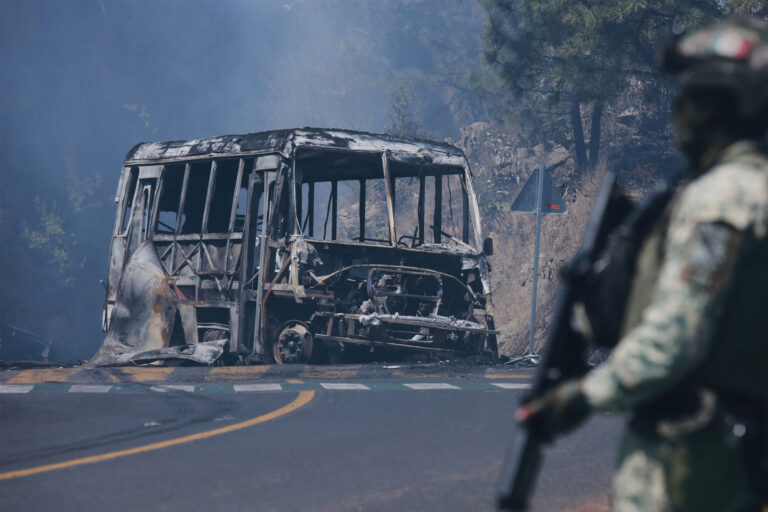
Sunday’s criminal actions were not only intended to hinder the movement of law enforcement, but also to generate panic and anxiety among the civilian population and affect the beneficiaries of government social programs.

Currently, there is no voice with pedagogical authority to respond to the criticisms leveled at the textbooks and explain and justify the necessary modifications. An inexperienced and controversial official like Nadia López García will hardly be able to extinguish this fire.

Lab-Co, with former advisors to Bukele and with funding from USAID & the State Department of Marco Rubio, the gusano who is suffocating Cuba & kidnapped a sitting president, is positioning itself at CIDE after the firing of José Romero.

In this dystopian world, in the most “Coca-colonized” country on the planet, the construction of toxic advertising environments relies on corruption and the power of large corporations. In the case of FIFA, corruption is an integral part of the institution.
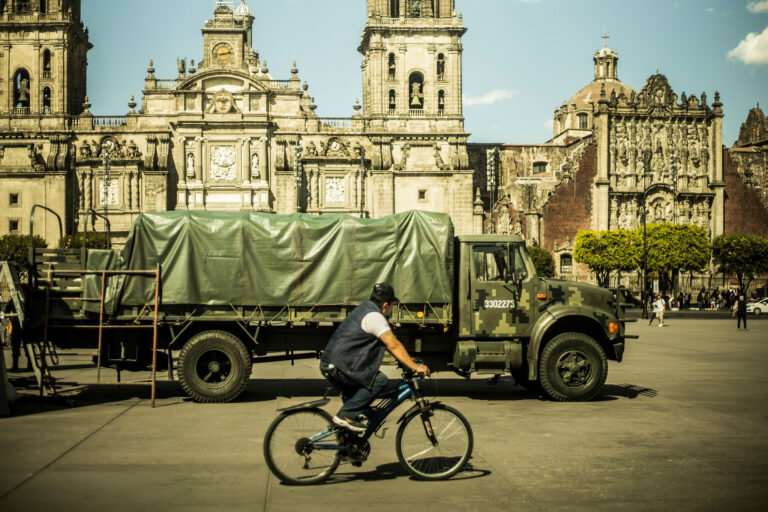
Mexico is buying time—but the costs of that strategy are rising, writes Teri Mattson.