Johnson: Truths, at Last
This editorial originally appeared in the July 31, 2026 edition of La Jornada, Mexico’s premier left wing daily newspaper.
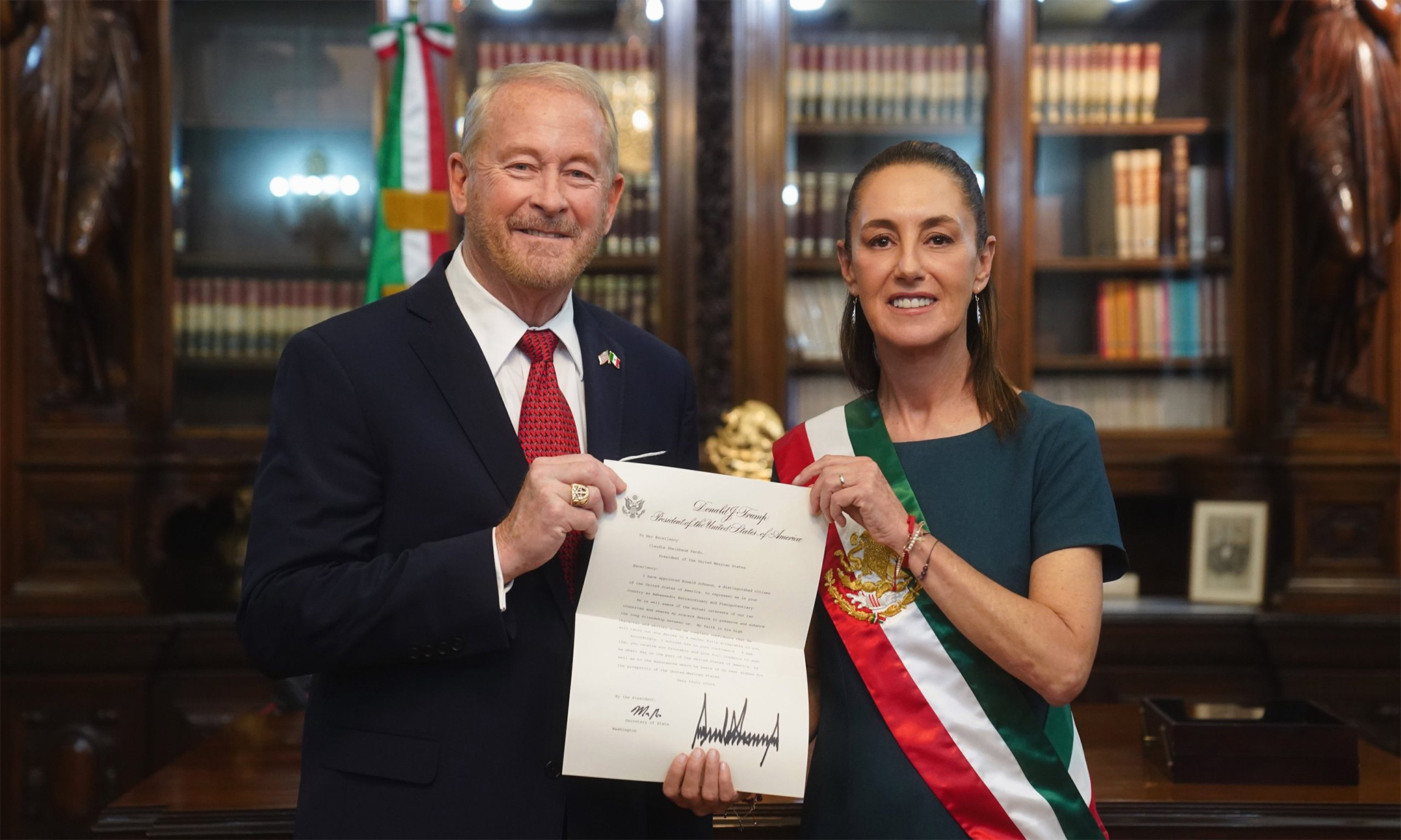
The United States ambassador to our country, Ronald Johnson, highlighted the ties, the work, and the collaboration with Mexico, which have produced “concrete results on priority issues” such as the border, which he called “the most secure it has ever been in its history.” He acknowledged that overdose deaths in his country have fallen by as much as 35 percent thanks to Mexico “carrying out historic seizures of narcotics and dismantling thousands of drug laboratories.” The security agencies of both countries, he elaborated, continue working to share information and collaborate against transnational criminal organizations.
Johnson may say one thing today and change his version tomorrow, but in this case his statements are backed by facts. In less than two years, the number of intentional homicides fell by 48 percent, and this past June it reached its lowest level since 2015. In some states, the drop in lethal violence was greater than 60 percent. Under Operation Enjambre, 60 public servants and former public servants who provided protection to organized crime organizations or who directly belonged to them have been arrested, regardless of the political affiliation of the accused. Also, 56,000 people connected to high-impact crimes have been brought to justice, among them leaders of every faction of organized crime. More than 2,000 clandestine laboratories have been destroyed and 420 tons of various drugs seized, as well as 30,000 firearms in the hands of criminal structures, which in their overwhelming majority come from the United States. By May 2026, the flow of fentanyl to the north was reduced by 76 percent, a figure validated by the U.S. Customs and Border Protection (CBP). It acknowledged that in April it recorded the lowest monthly figure of seizures of that opioid at its southern border in the last four years, as a direct consequence of the containment carried out in Mexico.
With all these figures available to Ambassador Johnson, one must ask why he does not inform President Trump and his cabinet about the true situation of the fight against organized crime in Mexico, or why U.S. officials choose to ignore reality and make statements as crude as they are false regarding the criminal landscape in our country. If the magnate and his team are aware of the data recognized by their own legations and agencies, there is no explanation for their spouting of nonsense such as the notion of an identity between the Mexican government and the cartels, the supposed need for a military intervention to halt the trafficking of narcotics, the control of criminal groups over nearly the entire territory, or the characterization of Mexico as a failed state.
In light of Johnson’s admissions and the verifiable facts, it is clear that the slanders issued by Trumpism against Mexico are pure propaganda, poured over U.S. society with at least three evident purposes: to conceal the failure of the Republican administration to solve the most pressing problems of the population –from the rising cost of living to the grave deterioration of the health system–, to divert attention from the permissiveness of U.S. authorities at all levels toward the drug-trafficking structures that operate within their territory, and to justify Washington’s interventionist agenda over Mexico and Latin America.
-
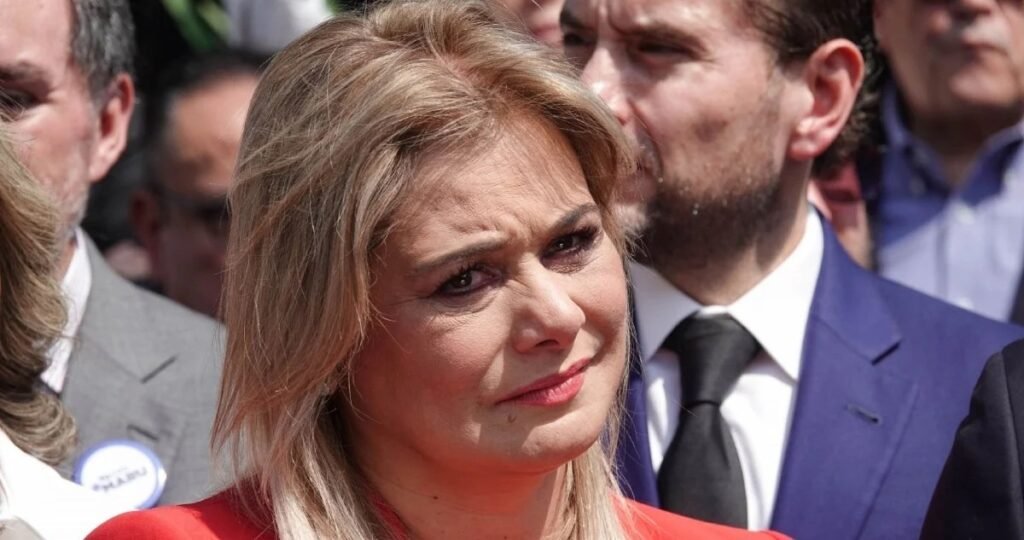
Jáuregui’s Defense Demands That Mexico’s Attorney General Summon Governor Maru Campos to Say What She Knows About the CIA
His lawyer says all the evidence points to the late state investigations chief, and that Campos changed her version of what she knew on Latinus.
-
People’s Mañanera October 21
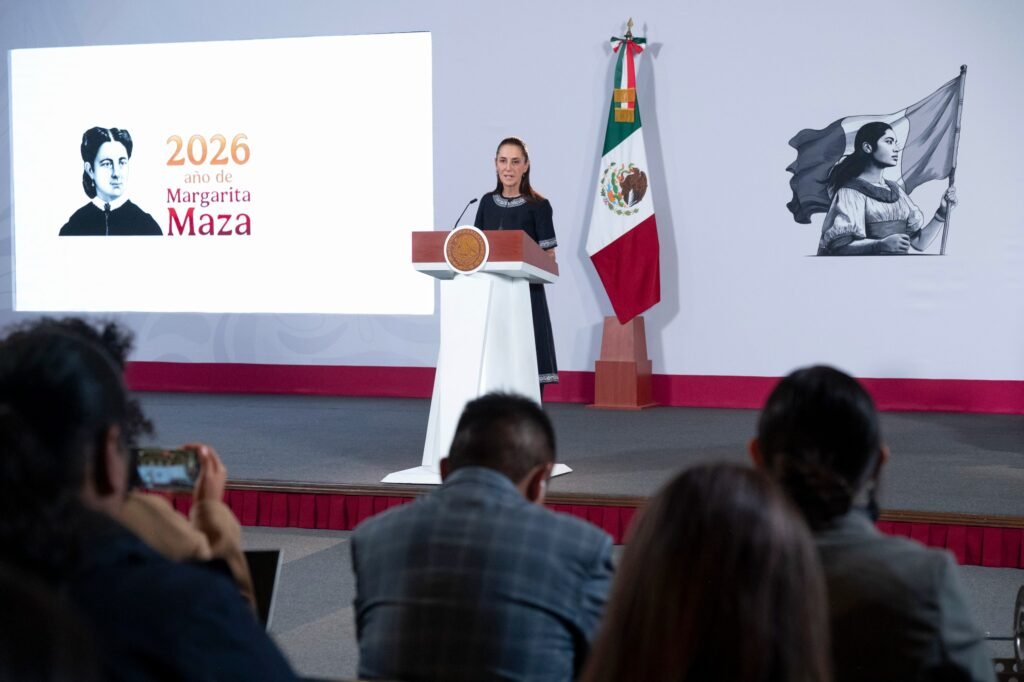
President Sheinbaum’s daily press conference, with comments on Pemex, fuel theft, Jalisco’s water crisis, missing persons, and the lie detector.
-
Jáuregui’s Arrest Does Not Close the CIA Case in Chihuahua; Morena Demands Broader Investigations
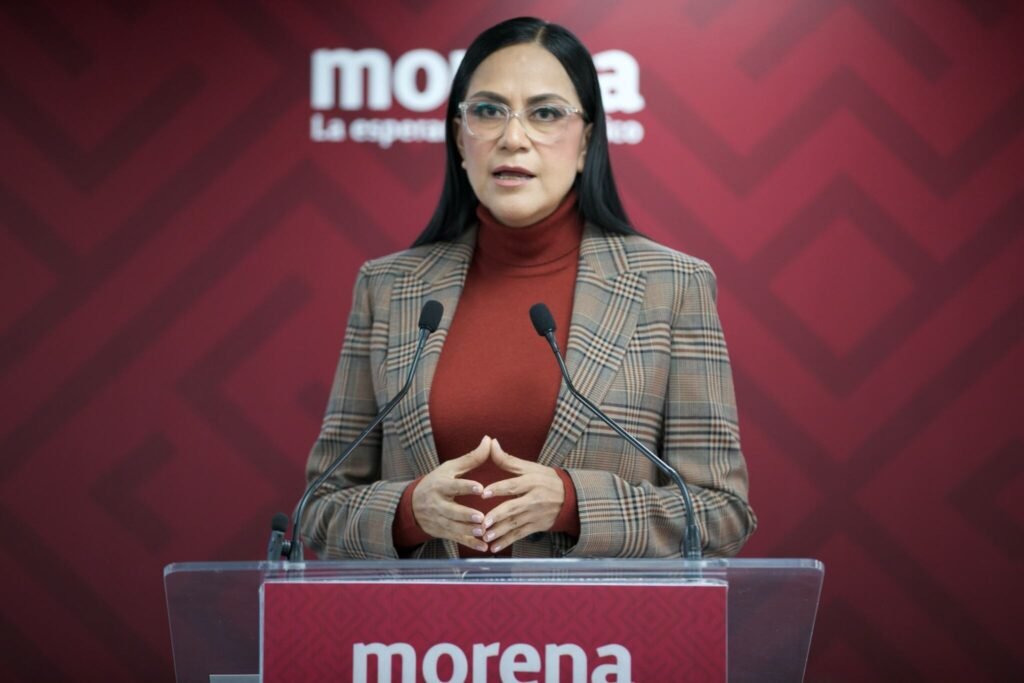
Morena leader Ariadna Montiel holds Governor Maru Campos politically responsible and says ex-prosecutor Guillermo Zuany must also face justice.