The Second Floor Was Meant to be Economic Transformation
This editorial by José Romero originally appeared here on May 4, 2026. The views expressed in this article are the authors’ own and do not necessarily reflect those of Mexico Solidarity Media or the Mexico Solidarity Project.
Mexico didn’t reach this point by accident. The current crisis didn’t begin with a cabinet reshuffle, a resignation in the Secretariat of Agriculture, a reorganization in the Secretariat of Economy, a movement within the Morena party, the fracking debate, or the violence in Sinaloa. These events matter, but they are not the root of the problem. They are signs of something deeper: for decades, the country has been integrated into an economy that allows it to produce, export, and attract investment, but doesn’t allow it to fully determine its own development.
For years, it was said that opening the economy meant modernization. It was said that exporting more meant development. It was said that attracting foreign investment was enough to transform the country. It was said that proximity to the United States was a historical advantage and that simply integrating into its production chains was enough to enter a period of prosperity. Mexico accepted that promise. It opened its economy, reduced industrial policy instruments, weakened the productive role of the state, and reorganized a large part of its economic apparatus around North America. The country became an assembly platform, a market for American agricultural products, a labor reserve, a logistics hub, and a useful territory for external production chains.
The United States acted in accordance with its own interests. It sought a functional border, a complementary economy, a nearby market, a competitive workforce, integrated suppliers, and favorable conditions for its companies. That’s not surprising. Powerful nations do that. What was serious was that a segment of the Mexican elite mistook those interests for a national strategy. They accepted dependency as modernity. They presented subordination as openness. They called the renunciation of building their own capabilities “sensibility.” It wasn’t just external imposition. It was internal consent.
The disaster was not produced solely from outside nor solely from within. It was produced by a historical arrangement between U.S. interests and Mexican elites who made dependency a strategy. That is the starting point.
This combination resulted in incomplete modernization. Some regions integrated into foreign trade, but many others remained outside. There were exports, but not enough domestic learning. There was foreign investment, but not a sufficiently strong domestic industrial base. There was stability, but not sustained growth. There were maquiladoras, assembly plants, and value chains, but not productive sovereignty.
Then came the consequences. Migration, because millions found no future in their places of origin. Informality, because the formal economy did not absorb everyone. Rural abandonment, because the countryside was left to compete under unequal conditions. The criminal economy, because in many territories the legal economy offered no income, protection, or prospects. Extortion, because the State did not protect the daily lives of producers, merchants, and transporters. Violence, because criminal groups occupied spaces where public authority became weak or compromised.
And then came the cynicism: The United States began accusing Mexico of causing problems that were incubated within an unequal bilateral relationship. It demands immigration control, yet it has benefited for decades from Mexico’s labor vulnerability. It demands a crackdown on drug trafficking, yet its market sustains a significant portion of criminal profitability. It demands security, yet the weapons that strengthen criminal groups cross its borders. It demands stability, yet its trade rules have contributed to weakening entire regions.
This does not absolve Mexico. Mexico’s responsibility is enormous. Mexican elites accepted the model. Governments administered it. Political parties reproduced it. Businesspeople adapted to it. Institutions abandoned territories. Corruption and impunity did the rest. The disaster was not produced solely from outside nor solely from within. It was produced by a historical arrangement between U.S. interests and Mexican elites who made dependency a strategy. That is the starting point.
Political reform has already happened.
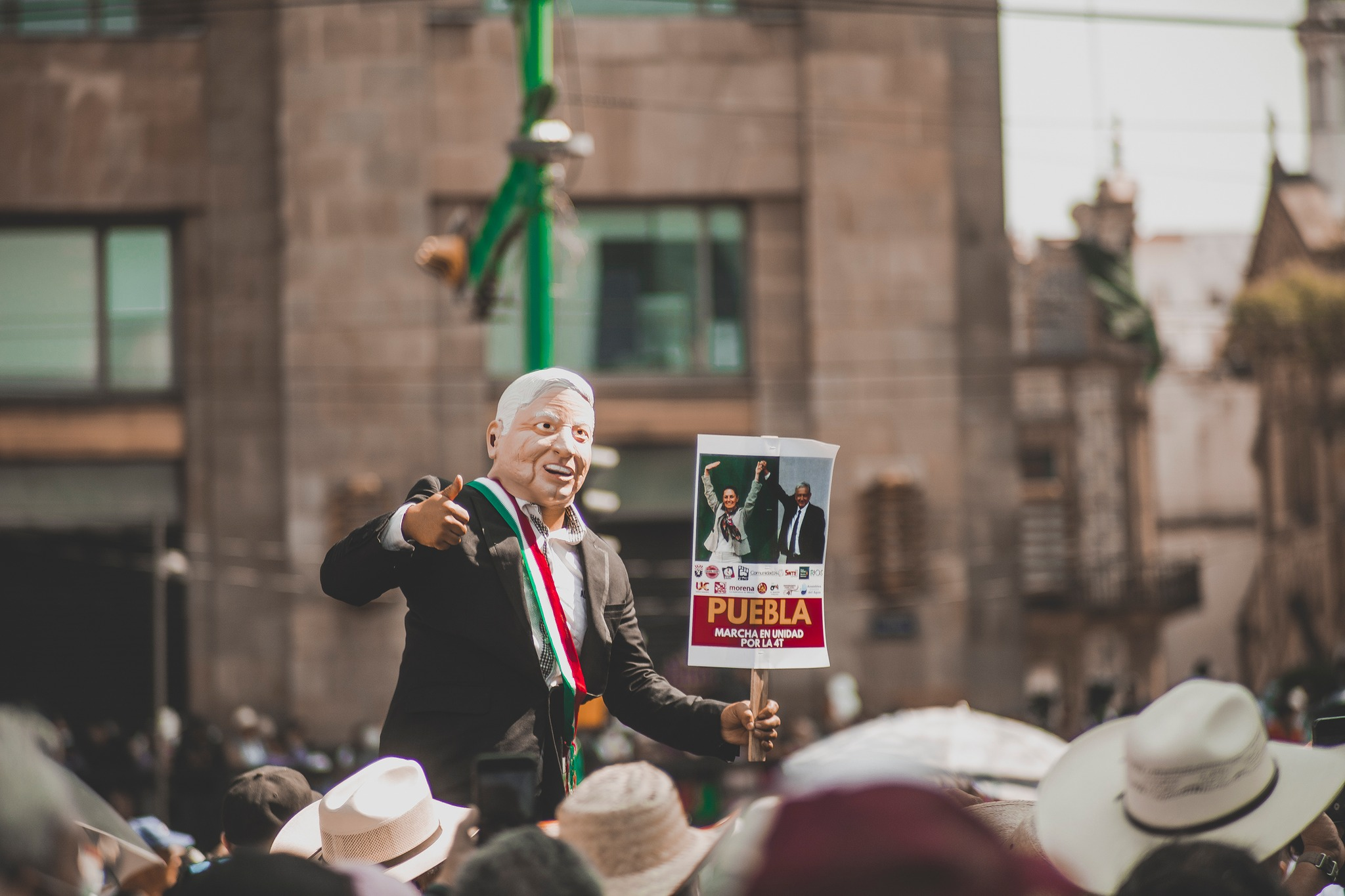
Andrés Manuel López Obrador spearheaded the political reform of this historical cycle. Not a political reform understood merely as a change in electoral rules, but something deeper: he shifted the center of gravity of power, broke the moral authority of the technocracy, restored the people’s centrality in public discourse, raised the minimum wage, expanded social transfers, rebuilt the relationship between the government and popular sectors, and made it legitimate to speak of the State, poverty, inequality, sovereignty, and elites.
That was a real transformation. AMLO changed the language of power. He made visible the Mexico that for years had been treated as a beneficiary, as a voter, or as a problem, but not as a historical subject. He showed that the State could intervene. He reshaped the legitimacy of the political system. He displaced those who had governed as if the country were a spreadsheet. But that political transformation wasn’t enough.
The first floor was political and social. The second had to be economic, productive, rural, technological, energy-related, and territorial. After regaining popular legitimacy came the most difficult task: building capacity. After redistributing income came rebuilding the productive base. After confronting the old elite came forming a new state, industrial, agricultural, energy, and national elite. After demonstrating that the state could transfer resources, it came to demonstrating that it could also produce, coordinate, finance, plan, industrialize, reclaim territories, and negotiate with the United States from a less subordinate position. That was what some of us believed.
AMLO changed the language of power. He made visible the Mexico that for years had been treated as a beneficiary, as a voter, or as a problem, but not as a historical subject.
But more than a year and a half into the new administration, we are no longer facing an expectation. We are facing an assessment. And the assessment shows that the Second Floor of government has not taken shape. The inherited political power has been managed, but it has not translated into economic leadership. Social transformation has been preserved, but it has not been accompanied by an equivalent productive transformation. Continuity exists, but the historical direction appears blurred.
The problem isn’t a lack of appointments. There are appointments. It’s not a lack of speeches. There are speeches. It’s not a lack of programs. There are programs. The problem is the absence of a development framework capable of transforming political power into productive, rural, energy, and territorial power. Sovereignty isn’t decreed. It’s produced. It’s produced in factories with national suppliers. It’s produced in the countryside with water, credit, and fair prices. It’s produced in technical schools. It’s produced in development banks. It’s produced in infrastructure. It’s produced in laboratories. It’s produced through an energy policy coordinated with national industry. It’s produced in municipalities where people can work without paying extortion money. It’s produced in prosecutors’ offices that investigate. It’s produced by police forces that aren’t corrupt. It’s produced by political parties that don’t nominate corrupt candidates. It’s produced through trade agreements where Mexico knows what it wants to defend. That was [supposed to be] the Second Floor. And it remains unfinished.
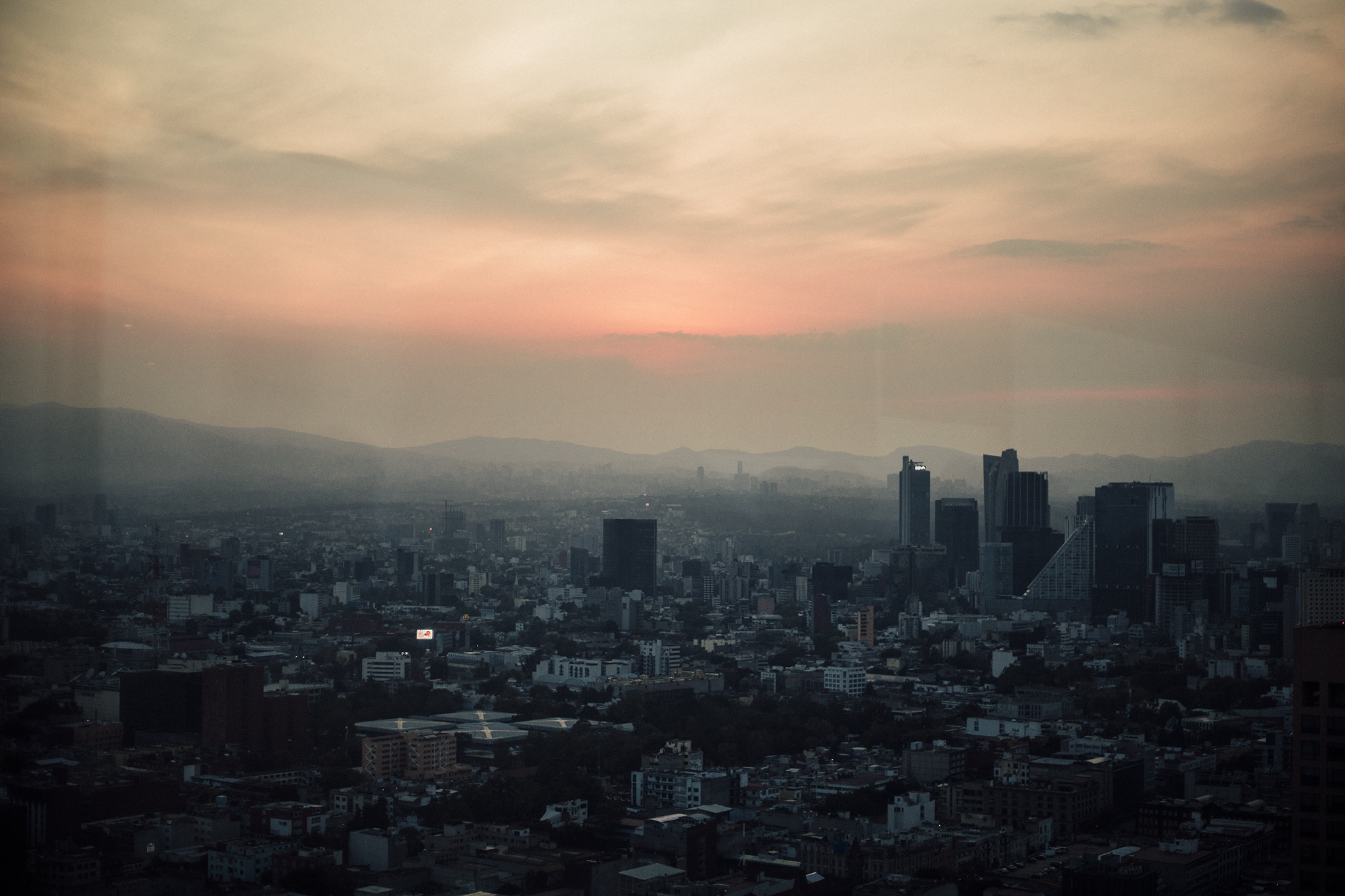
Economics: Managing Dependency is not Industrialization
The first symptom is in the Secretariat of Economy. And it is perhaps the most serious, because the real possibility of a second economic floor hinges on it. This is not a minor change or a simple cabinet reshuffle. The agency in charge of conducting the country’s productive policy is being reorganized at a time of economic stagnation, a review of the USMCA, pressure from the United States, and the absence of a clear industrial strategy.
Recent changes reveal a Secretariat riddled with political turnover. Officials are leaving to seek elected office. New hires are arriving with backgrounds in administration, diplomacy, politics, or public management. Areas linked to industry, commerce, productive development, industrial property, and trade facilitation are all being reshuffled. This should be cause for concern. The Secretariat of Economy is not meant to function as an electoral foothold or a space for political maneuvering. In normal circumstances, turnover might be manageable. In a situation like this, it reveals something more serious: the State does not appear to be building an economic leadership capable of meeting the demands of the moment.
The country is not experiencing a production boom. The nearshoring narrative has served to create expectations, announce opportunities, and promise a new phase of investment. But the reality is more limited. We are not witnessing an ongoing industrial transformation, but rather a restructuring of advantages for foreign companies already established in Mexico, many of them integrated into North American supply chains for decades. They are offered favourable conditions, facilities, infrastructure, certainty, energy access, regulatory advantages, and political stability. But that does not equate to building a national productive base.
A country doesn’t industrialize with empty promises of opportunity. Nor does it industrialize by granting more privileges to established foreign companies.
The problem isn’t attracting foreign investment. The problem is turning it into a substitute for a national strategy. Mexico knows this story all too well. Factories arrive, exports increase, some industrial corridors expand, and jobs are announced. But the core areas of value remain outside the country. Technological decisions are made abroad. Intellectual property is controlled abroad. Domestic supply chains remain weak. Mexican companies don’t scale quickly enough. Wages improve slowly. And the country once again celebrates as development what is often just an expansion of its subordinate role.
That is why it is so serious that, instead of an industrial elite, an administrative elite has emerged at the helm of key areas. There is no group of professionals with in-depth experience in manufacturing, technology, value chains, engineering, production finance, supplier development, or building national capacity. What we see is a secretariat prepared to operate, negotiate, and manage integration; not necessarily to transform it.
A country doesn’t industrialize with empty promises of opportunity. Nor does it industrialize by granting more privileges to established foreign companies. Industrialization happens when the state defines sectors, requires domestic content, develops suppliers, finances domestic companies, coordinates infrastructure, links science with production, protects strategic learning, and regulates capital that receives public benefits. That is precisely what is lacking clarity.
The review of the USMCA makes the problem even more delicate. Rules of origin, intellectual property, trade, investment, energy, agriculture, regional content, dispute resolution mechanisms, and the scope for public policy will all be at stake. If Mexico enters this review with a Secretariat of Economy more focused on managing its relationship with the United States than on developing its own production strategy, the treaty will once again function as a framework for subordination. Not because trade is inherently bad, but because trade without a national policy perpetuates dependency.
Industrial property is a clear example. It’s not a technical document. It defines who controls patents, trademarks, knowledge, technology, medicines, advanced manufacturing, and added value. If Mexico negotiates these issues without its own innovation strategy, industrial property becomes a lock. It protects those who already control the knowledge and limits those who are just beginning to develop it.
The second economic floor couldn’t consist of providing more certainty for foreign capital. It had to consist of changing the relationship between foreign investment and domestic capabilities. The question wasn’t how much investment arrives, but what it leaves behind. The question wasn’t how many plants are announced, but how many Mexican suppliers are created. The question wasn’t how many jobs are generated, but what kind of wages, skills, and technologies are accumulated. The question wasn’t whether Mexico becomes more useful to North America, but whether it becomes more capable of making its own decisions. That question remains unanswered.
The Secretariat of Economy should be the heart of a new industrial policy. It should guide investment, set conditions for support, build supply chains, strengthen domestic companies, promote innovation, coordinate financing, and transform foreign trade into a tool for development. But what we see is an agency operating like an administrative apparatus at a time that demands historic leadership. This confirms the underlying problem: Mexico is not building its own productive capacity. It is simply managing its dependency. And managing dependency is not the same as industrializing.
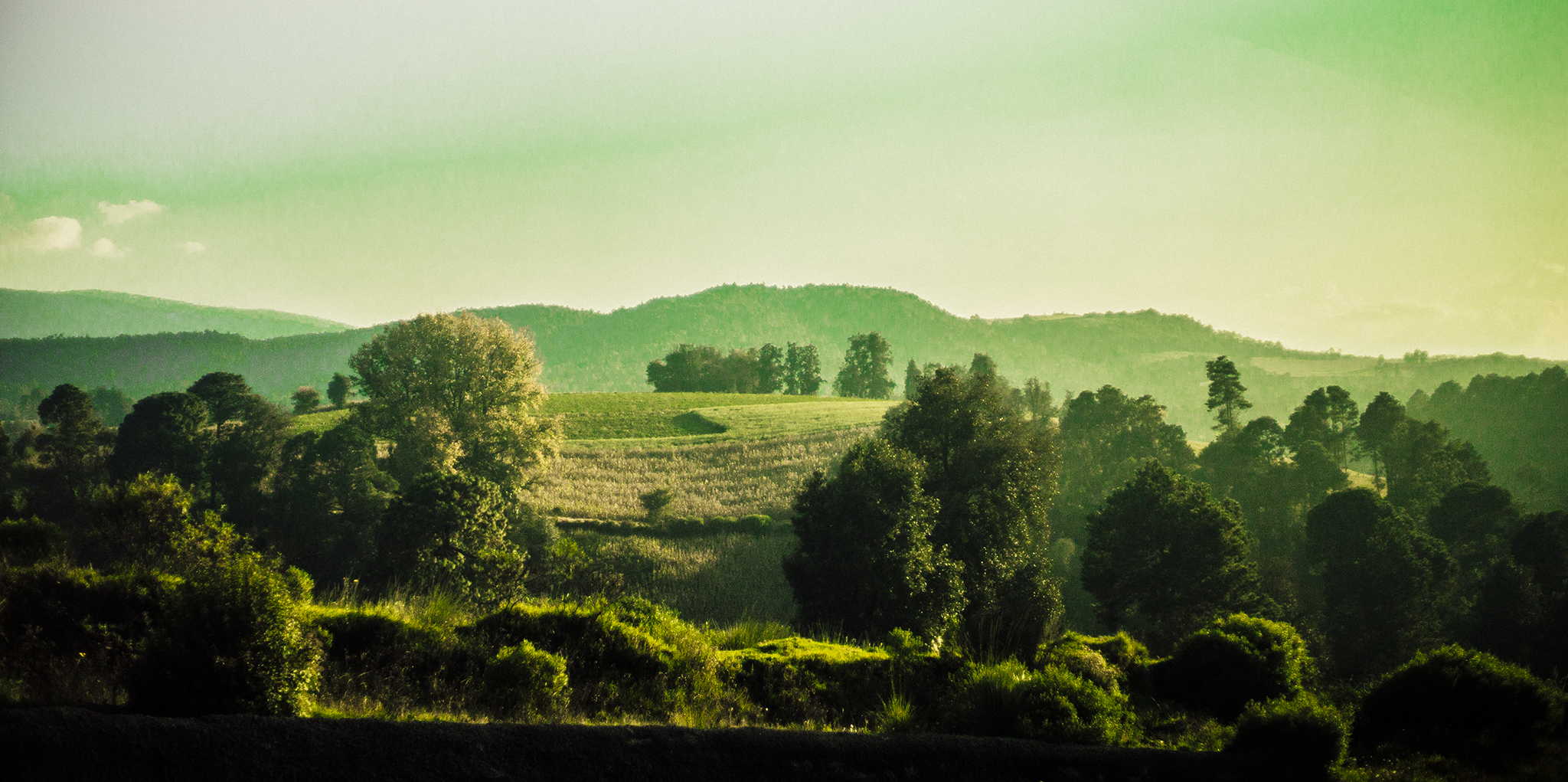
Agriculture: Managing the Countryside is Not Rebuilding It
The second symptom lies in the Secretariat of Agriculture. The departure of Julio Berdegué from the Secretariat and the arrival of Columba Jazmín López Gutiérrez reveal something deeper than a bureaucratic change. Mexican agriculture faces a structural crisis: food dependency, low prices for producers, water stress, rural aging, lack of credit, weak regional markets, import pressure, and increasing territorial control by criminal groups in various parts of the country. In this context, simply changing names is not enough. The problem is not who occupies the office, but whether there is a strategy to rebuild the agricultural sector as the nation’s productive, social, and territorial foundation.
Berdegué is moving to the forefront of international agri-food affairs. This reveals the true priorities: negotiating with the United States and Canada, managing the USMCA, defending trade margins, and maintaining Mexico’s stable agri-food integration in North America. Columba López may represent a more territorial and agroecological perspective. But without a comprehensive project, the change risks remaining merely a stylistic adjustment, rather than a fundamental transformation.
The Mexican countryside is caught between two opposing logics. One is the logic of North American agri-food integration: trade rules, imports, large producers, agribusiness chains, sanitary standards, technical disputes, and external negotiations. The other is the logic of national reconstruction: small and medium-sized producers, water, credit, guaranteed prices, infrastructure, storage, seeds, regional agribusiness, local markets, peasant organization, and territorial roots.
Food dependency is not just a commercial fact. It is a form of national vulnerability. Mexico, the country where corn originated, cannot resign itself to increasingly depending on strategic imports while its producers face low prices, high costs, scarce water, and markets dominated by intermediaries.
The second floor of government should have clearly leaned towards this second logic: not to close the economy or reject trade, but to subordinate external integration to a national strategy. But what emerges is something else entirely: a countryside managed by scattered programs, partial support, and short-term responses, without an architecture capable of rebuilding the rural economy.
That’s the problem: there are programs, but no plan. There’s support, but not necessarily productive transformation. There are transfers, but not enough credit. There’s talk of food sovereignty, but dependence on imports persists. There’s concern for producers, but not a comprehensive reconstruction of prices, water, storage, roads, marketing, and the agro-industry. There’s an institutional presence, but not always an effective state presence in the territories where the criminal economy challenges authority.
Cash transfers alleviate poverty and increase consumption. But they don’t replace an agricultural strategy. A producer doesn’t live on subsidies alone. They depend on water, land, credit, fair prices, technical assistance, security, roads, markets, and the ability to sell without being extorted. Without these, the countryside becomes a territory where the legal economy barely survives and where other powers can take over.
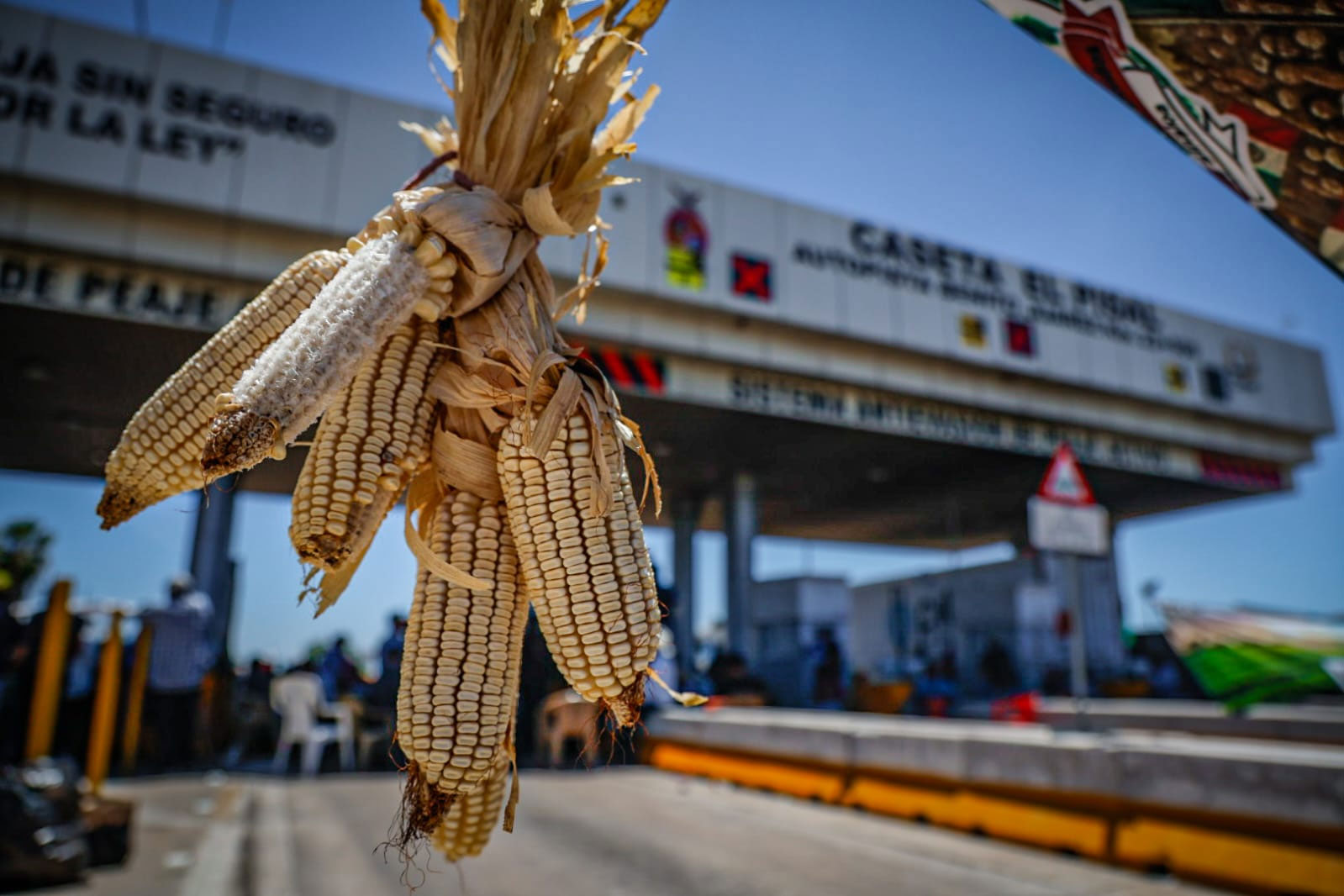
That is why the countryside cannot be treated as a backward sector or as a welfare issue. It is a frontier of sovereignty. When the State loses the countryside, it loses more than production: it loses population, roots, authority, a legal economy, a productive culture, and territorial control. Food dependency is not just a commercial fact. It is a form of national vulnerability. Mexico, the country of origin of corn, cannot resign itself to increasingly depending on strategic imports while its producers face low prices, high costs, scarce water, and markets dominated by intermediaries. This contradiction summarizes the failure of a model that integrated consumption but weakened national production.
The arrival of a new secretary won’t solve this without a strategy. And so far, what we see isn’t long-term rural reconstruction, but rather the management of pressures: disgruntled producers, USMCA rules, imports, drought, animal health, security, and foreign trade negotiations. Everything is being addressed piecemeal. Nothing seems to be integrated into a national agricultural project.
Without land, there is no territory. Without territory, there is no state. And without a state, there is no sovereignty. Food sovereignty cannot be decreed. It is sown, financed, irrigated, stored, protected, and purchased at a fair price. It is also defended against extortion, commercial dependency, and the logic that reduces the national producer to a mere survivor in a market designed by others. Managing the countryside is not about rebuilding it.
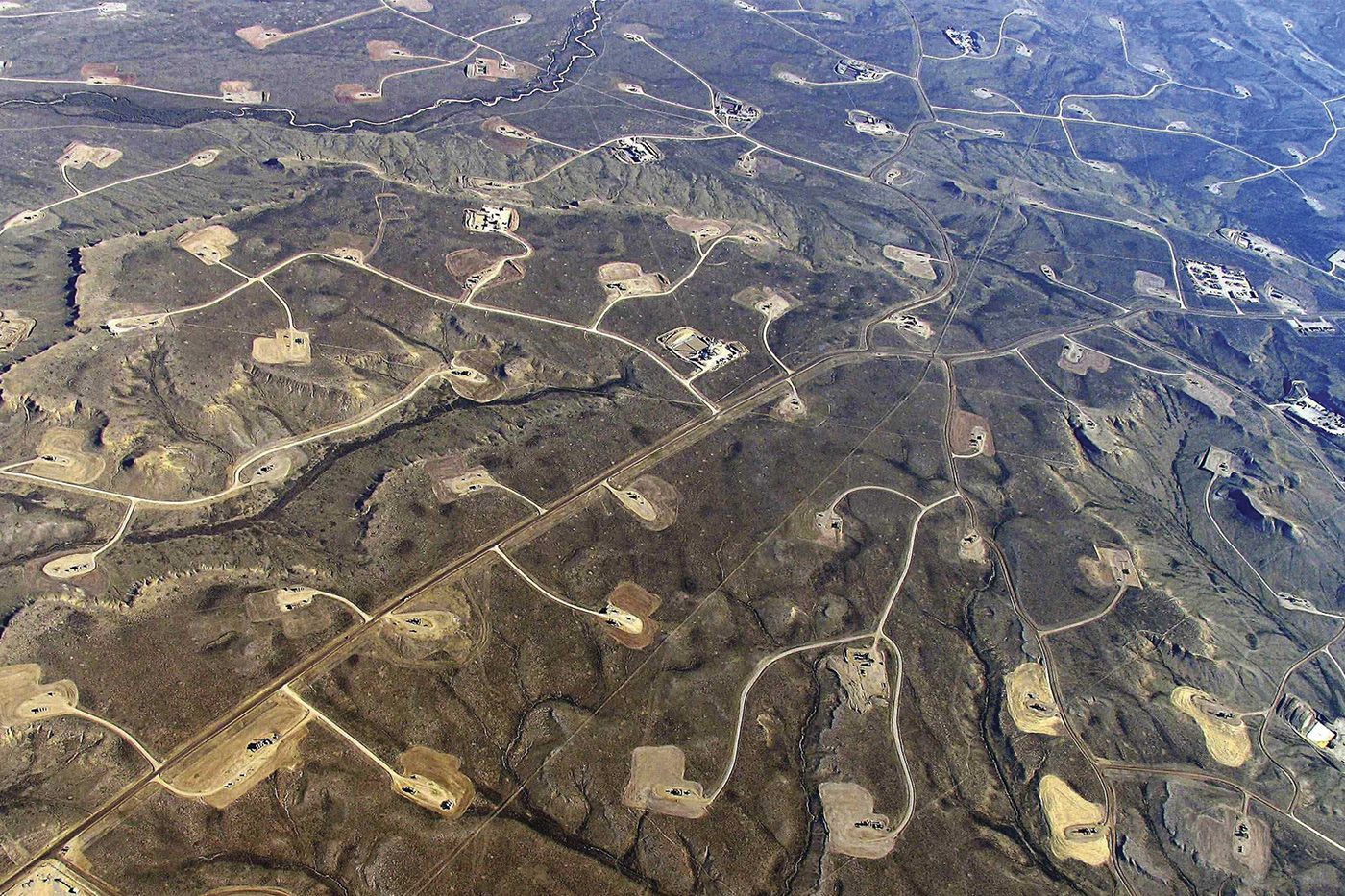
Energy: Attracting Capital to the Subsoil is not Sovereignty
The third symptom lies in the energy sector. The debate surrounding fracking clearly demonstrates the absence of a coherent plan. For years, energy sovereignty was presented as a central tenet of the transformation. There was talk of rescuing PEMEX, strengthening the CFE (Federal Electricity Commission), restoring state capacity, and reducing dependence. However, when pressure arises to attract investment, the energy discussion shifts back to a familiar logic: opening new business opportunities, even in strategic sectors, rather than building a national energy policy that is integrated with development, industry, territorial considerations, and the energy transition.
Fracking should not be discussed merely as an extraction technique. It should be discussed as a symptom. If Mexico resorts to it to attract foreign investment in the exploitation of unconventional hydrocarbons, then the problem is not only environmental or technical. The problem is one of sovereignty. The subsoil becomes an opportunity for foreign capital, but not necessarily a lever for a national development strategy.
Energy is not seen as part of a national productive project integrated with industry, technology, science, employment, regional development, and the energy transition. It appears as a new front for attracting investment. And when energy policy is organized around attracting capital, the question remains the same: what kind of country is being built?
The Second Floor of economic development required an energy policy serving a national development strategy, not one transformed into a showcase for attracting foreign investment into the subsoil.
It is not the same to use energy resources to strengthen a national strategy as it is to open them up as a field of profit for private companies, many of them foreign. In the first case, energy builds sovereignty. In the second, energy can become another form of dependency: foreign capital, foreign technology, foreign decisions, and profits that do not necessarily remain in the country.
Fracking, moreover, reveals the environmental and territorial contradictions of the model. The energy transition is invoked, yet the door is opened to a highly controversial technique. Sovereignty is discussed, but foreign investment is used to exploit strategic resources. Regional development is touted, but the environmental and social costs fall on territories that often already suffer from poverty, water stress, and weak institutions.
The problem isn’t just energy-related. It’s political. A country with a plan first defines what energy mix it wants, what role Pemex and CFE will play, what resources it will exploit, with what technology, under what control, with what national benefits, and within what environmental limits. A country without a plan does the opposite: it responds to the urgent need to attract investment, makes its decisions more flexible, opens up new areas of profitability, and calls the arrival of capital development.
That’s not energy sovereignty. It’s managed energy subordination. The Second Floor of economic development required an energy policy serving a national development strategy, not one transformed into a showcase for attracting foreign investment into the subsoil. The difference is crucial: in one case, energy builds sovereignty; in the other, it expands the territory available for capital. Attracting investment into the subsoil is not having a project.
Morena: Winning is not About Leading
The economy, agriculture, and energy sectors all reflect the same problem from different angles. In all three cases, there is movement, but no direction. There are decisions, but no structure. There are programs, but no plan. Economic policy appears as a collection of responses: attracting investment, retaining producers, negotiating the USMCA, opening new areas of energy profitability, managing pressures. But a collection of responses does not build development. The Second Floor required integrating industry, agriculture, energy, science, finance, and territory into a national strategy. This is not happening with the necessary force.
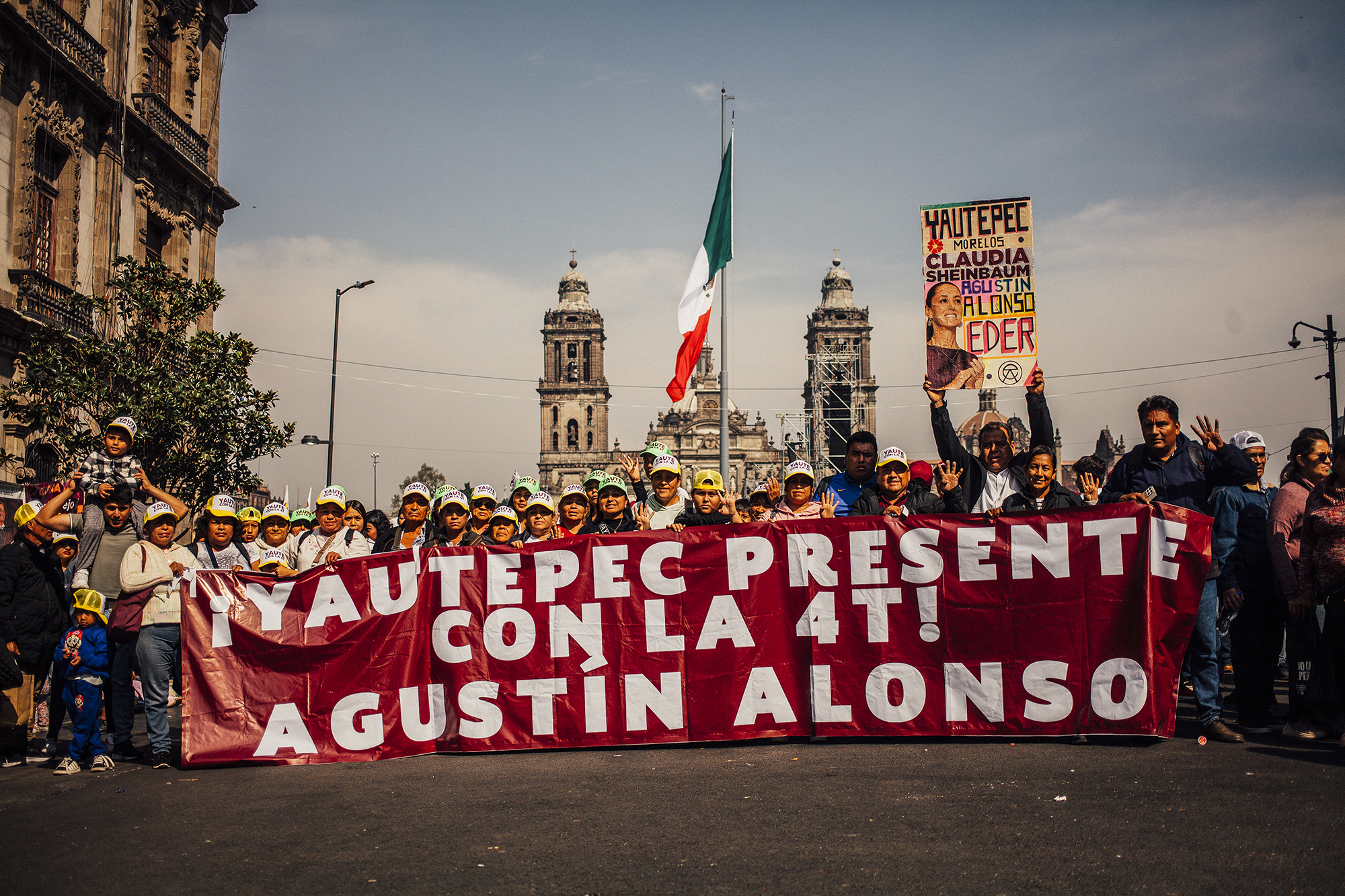
The fourth symptom is found within Morena. The replacement of Luisa María Alcalde by Ariadna Montiel as the party’s national leader must be interpreted as more than just an internal power struggle. Morena is not just any party. It is the instrument through which a significant portion of the ruling bloc’s territorial power is distributed. Whoever controls candidacies controls governorships, state legislatures, mayoralties, budgets, municipal networks, successions, and regional pacts. Therefore, the leadership of Morena is not merely a party position. It is a component of the extended state apparatus.
Ariadna Montiel’s arrival makes political sense. She comes from the Secretariat of Wellbeing, the secretariat most closely linked to the social outreach of the Obrador administration to its grassroots base. Her move to the party aims to bring order to Morena by bringing in a figure associated with the social heart of the project. It also sends a moral message: zero tolerance for corruption and candidates with tainted records. But the problem runs deeper.
Morena remains strong. It retains votes, governments, structure, social base, and a weak opposition. But electoral strength does not guarantee historical leadership. The party grew too quickly. It absorbed veteran members, former PRI and PRD members, local operatives, social leaders, regional businesspeople, local bosses, pragmatic groups, and allies without ideological identity.

While López Obrador was in power, these contradictions could be channeled around his leadership. He was the symbolic, emotional, and political center of the movement. He could arbitrate, discipline, contain, and legitimize it. Now that center no longer governs directly. And the coalition needs institutional leadership.
That’s the problem facing the new government. It didn’t inherit an organized and disciplined party. It inherited a huge coalition, electorally effective, but riddled with territorial tensions. Governors want to inherit power. Local groups want candidacies. Pragmatic allies are calculating. Officials are seeking positions. Internal networks are vying for power. The electoral calendar has already begun to shape these ambitions.
The question isn’t whether Morena can win. It can. The question is whether it can lead. Winning isn’t leading. Winning means obtaining votes. Leading means shaping the historical meaning of those votes. Morena can continue winning elections and, at the same time, lose its vision. It can retain positions while becoming devoid of substance. It can speak of transformation while reproducing the practices of the old regime. It can invoke the people while negotiating candidacies with local groups that lack a vision.
The Second Floor required a different Morena: not just an electoral machine, but a political organization capable of developing leaders, preventing corruption, resisting local capture, maintaining a national vision, and supporting economic transformation. If Morena limits itself to managing candidacies, it ceases to be an instrument of transformation and becomes an administrator of power. And administering power is not transformation.
Sinaloa: Governing Captured Territory
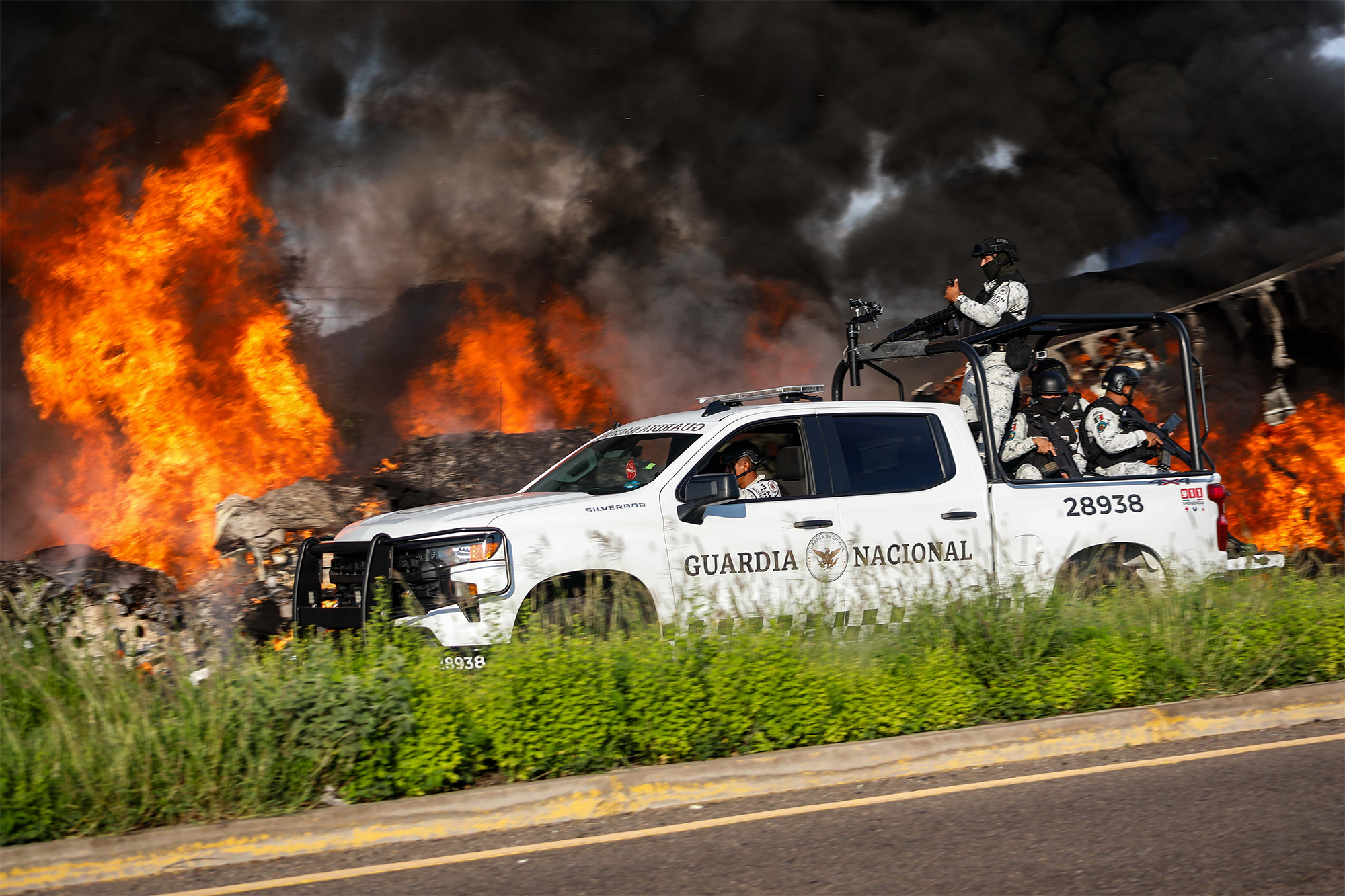
The fifth symptom is Sinaloa. And here it must be said clearly: Sinaloa expresses an accumulated crisis. Not because of a single governor, not because of a single administration, not because of a single legal case, but because of decades of territorial capture, criminal economy, accumulated complicity, institutional abandonment, armed conflict, pressure from the United States, and the absence of a legal economy strong enough to regulate social life.
Therefore, the case cannot be understood solely from a criminal accusation or a political defense. It must be understood from the real conditions under which any governor comes to power in that state: how they were elected, in what territorial environment they competed, what political support they received, what local forces were already operating, which groups had social control, which municipalities were under their influence, and what real room they had to govern without making deals, negotiating, resisting, containing, or simply surviving.
The question isn’t simply what the governor did or didn’t do after taking office. The prior question is more uncomfortable: How was his governance constructed? What actors made his victory possible? What territorial networks participated? What de facto powers were already in place? What institutions could he actually control? Which police forces were clean? Which municipalities were free from criminal pressure? What part of the state could be governed from the Governor’s Palace, and what part was already subject to other rules?
Sinaloa is not governed like a normal state. Nor is an election won there as if the territory were politically neutral. It is a state where organized crime didn’t arrive yesterday. It has spent decades building economic, social, armed, and political power. In this context, elections do not occur in a vacuum: they take place in a territory permeated by fear, money, local networks, enforced silence, intermediaries, local strongmen, illegal armed groups, and a population that often votes, works, and lives under pressures that are not recorded in the electoral records.
The criminal economy emerges where the legal economy doesn’t offer a sufficient future.
That doesn’t mean every election is rigged or every governor is a criminal. That would be an oversimplification. But it does mean that politics operates within a partially captured territory. A candidate can receive legitimate votes, party support, popular backing, and an electoral structure, and at the same time govern a space where real power doesn’t fully obey the state. Therein lies the difficulty: electoral legitimacy exists, but it’s not enough to produce territorial control.
Therefore, the case cannot be judged solely by asking whether or not the governor had any contact with shadowy actors. In a captured state, politics is rife with gray areas: intermediaries, messages, pressure, silences, tacit agreements, omissions, threats, and forms of forced coexistence. The decisive factor is not whether contact existed in a broad sense, but whether there was deliberate personal or political gain, illegal financing, protection of routes, surrender of institutions, leaks of operations, prearranged appointments, directed contracts, or active collaboration with a criminal organization.
That distinction is essential. Coercion is not the same as complicity. Governing under threat is not the same as colluding with crime. Inheriting a corrupt territory is not the same as deliberately handing the state over to a criminal organization. Surviving politically in a captured state is not the same as enriching oneself or protecting criminals from a position of power.
Sinaloa reveals something more serious than a mere case file: the gap between formal authority and real power. A governor may hold office, have a budget, command a police force, and enjoy electoral legitimacy. But that doesn’t mean they fully control the territory, nor that their election occurred in an environment free from undue pressure. In areas where organized crime extorts money, threatens, finances, decides, displaces, protects, punishes, and exerts undue influence, the state does not govern fully. It governs only partially. It negotiates, resists, administers, or merely survives.
The tragedy is that Sinaloa is not an absolute exception. It is perhaps one of the most visible, oldest, and most complex cases, but it is not the only region in the country where formal authority coexists with real powers that shape public life. In different parts of Mexico, local politics operates under similar pressures: illegal economies, extortion, control of routes, capture of municipal police officers, shadowy financing, social fear, and authorities who govern with narrow margins. The groups, activities, and forms of control change, but the underlying problem remains: the State appears on the organizational chart, but it does not always govern on the ground.
When a criminal group extorts protection money, it acts as a tax authority. When it regulates routes, it acts as an economic authority. When it decides who can operate, it acts as a political power. When a community is afraid to report crimes because it suspects the authorities are infiltrated, the state loses real authority. That is what Sinaloa reveals: not only crime, but a partial replacement of the state.
And that’s why Sinaloa cannot be separated from the economy, agriculture, or energy sectors. The criminal economy emerges where the legal economy doesn’t offer a sufficient future. It emerges where agriculture fails to sustain life. It emerges where young people lack options. It emerges where municipalities are weak. It emerges where the state arrives with operations, but not with credit, schools, water, roads, prosecutors’ offices, employment, and everyday protection.
Organized crime is violence, but it’s also economics. It’s armed power, but also social power. It’s drug trafficking, but also extortion, informal lending, illegal employment, market control, money laundering, transportation, public works, campaigns, and territorial control. That’s why Sinaloa cannot be recovered with law enforcement alone. Force is necessary, but it’s not enough. Economic reconstruction, protection for local authorities, trustworthy prosecutors’ offices, combating money laundering, security for producers, youth employment, infrastructure, justice, and a permanent state presence are needed.
The state doesn’t return to a territory simply because the army enters. It returns when people can live, work, produce, denounce crimes, and make decisions without having to ask permission from organized crime. And that’s the question that must be asked in Sinaloa and in many other regions of the country: not only who formally governs, but what part of the territory can actually be governed. Therein lies the accumulated crisis. And therein also lies the failure of a model that left entire territories at the mercy of powers that the state could no longer contain.
The United States: Integration Is Not Development
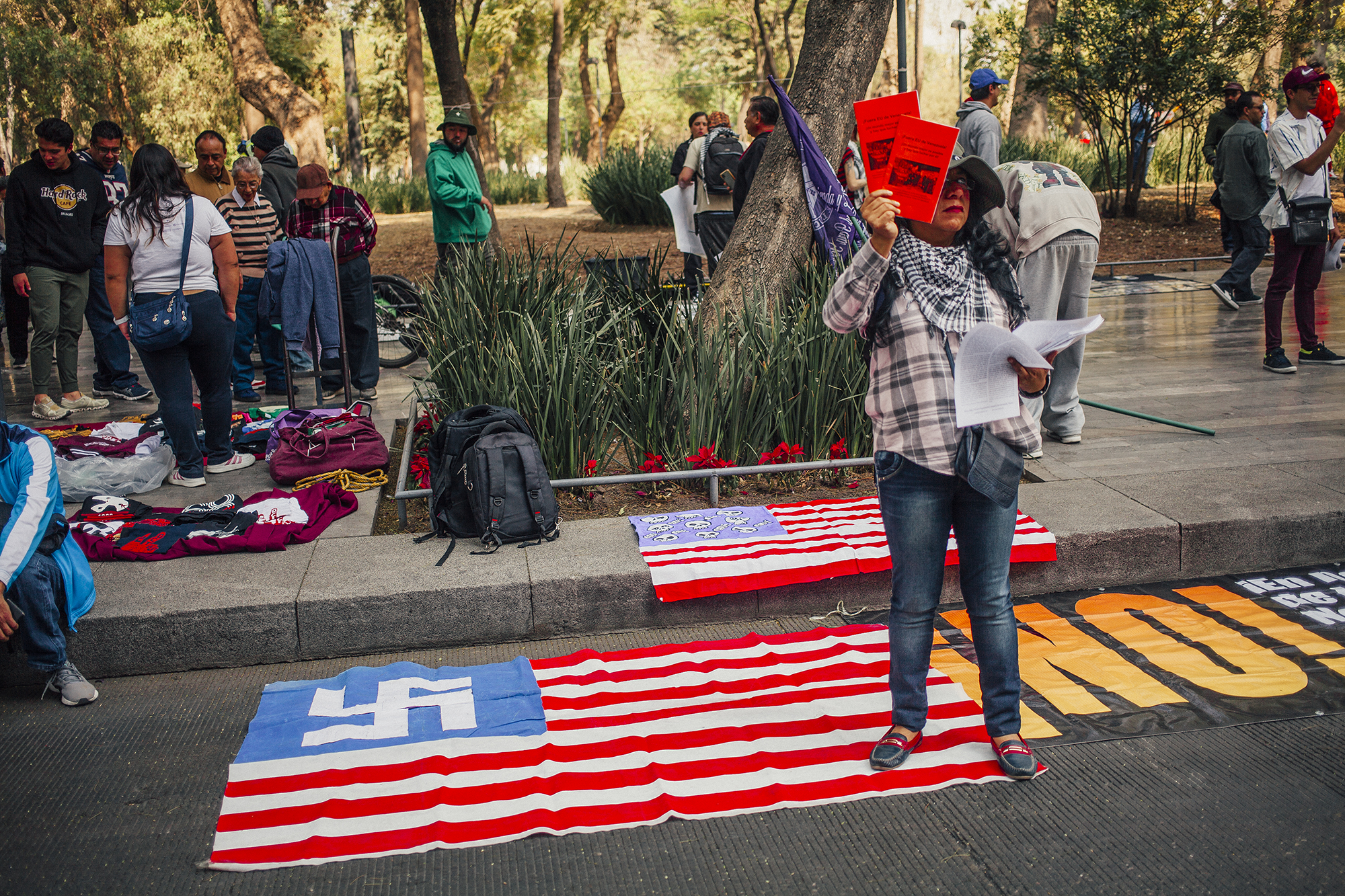
The United States is not only the external origin of the arrangement. It is also the power that now exerts pressure, judges, and shapes its consequences. For decades, it benefited from a relationship that proved functional. Mexico served as a close assembly platform, an agricultural market, a labour provider, a migration buffer zone, a complementary energy source, and a space integrated into its production chains. The trade relationship became enormous, but not symmetrical.
The serious problem was that the Mexican elites mistook these interests for a national strategy. The technocratic group accepted that the country should be reorganized as a productive complement to the United States. Instruments were dismantled. Development banks were weakened. Industrial policy was abandoned. The agricultural sector was left to compete on unequal terms. Foreign investment was presented as development. Commercial banks were taken over by foreign interests, and the State lost a crucial lever: the ability to direct credit toward industry, agriculture, innovation, and national businesses. Without control of credit, industrial policy was crippled. A more sophisticated form of dependency was called modernity.
The crisis is shared, but asymmetrical: Mexico provides deaths, subjugated communities, extorted producers, recruited youth, and threatened authorities; the United States provides demand, weapons, money, trade pressure, diplomatic pressure, and economic rules that narrow the scope for national policy.
Then the consequences appeared: migration, informality, rural depopulation, crime, extortion, violence, and institutional breakdown. And then the United States came along and accused Mexico of causing them problems. That’s cynicism. The crisis is shared, but asymmetrical: Mexico provides deaths, subjugated communities, extorted producers, recruited youth, and threatened authorities; the United States provides demand, weapons, money, trade pressure, diplomatic pressure, and economic rules that narrow the scope for national policy.
This is not about denying Mexican responsibility. On the contrary. Mexico’s responsibility is enormous. But precisely for that reason, it must be stated in full: the disaster was not caused solely from outside nor solely from within. It was produced by a historical arrangement between US interests and Mexican elites who made dependency a strategy. It was not an accident. It was designed.

The Second Floor Never Arrived
More than a year and a half into the new administration, the assessment is clear: the economic transformation has not taken shape. It is not enough to simply say that the Fourth Transformation (4T) continues. Continuity cannot be merely electoral or rhetorical. It must become a tangible state capacity. It must demonstrate that the state can do more than redistribute wealth: it can produce, coordinate, industrialize, rebuild the agricultural sector, manage energy resources, reclaim territories, and negotiate with the United States from a position of independence.
That was the Second Floor. But what’s emerging is something else entirely. In the Economy sector, the apparatus is politically realigning itself amidst stagnation, the review of the USMCA, and a supposed wave of nearshoring that hasn’t translated into industrial transformation. In Agriculture, the change in leadership doesn’t yet reflect a reconstruction of the countryside, but rather a separation between territorial operations and external agri-food negotiations. In Energy, the fracking debate reveals the temptation to turn the subsoil into a new field of attraction for foreign investment, even if this deepens environmental, territorial, and sovereignty contradictions. In Morena, the leadership is changing to reorganize the party for 2027, but the underlying problem is whether the movement can remain a historical project and not just an electoral machine. In Sinaloa, the State faces the brutal reminder that having formal authority doesn’t mean controlling territory.
All of this is happening under pressure from the United States. And there is historical proof. The new government didn’t break with AMLO, but neither did it fully transform the inherited legacy into a new historical direction. It preserved social policies, maintained the narrative of transformation, and preserved Morena’s electoral centrality, but it failed to translate that power into a clear productive strategy. Continuity was maintained on the political front, but it didn’t advance with the same force on the economic front. Foreign trade continued to operate as the axis of Mexico’s integration, foreign investment retained a central place, the USMCA continued to function as the dominant framework, and energy began to be discussed more as a field for attracting capital than as a lever for sovereignty. What didn’t emerge clearly enough was the capacity to transform that integration into learning, technology, domestic suppliers, stronger Mexican companies, better wages, and more governable territories.
The Second Floor couldn’t simply be a more organized administration of the first. It had to be a different phase. The first stage could thrive on political upheaval. The Second had to demonstrate economic capacity. The First could redistribute. The Second had to produce. The First could profit. The Second had to govern. That’s not happening with the necessary force.
Formal Power & Real Power
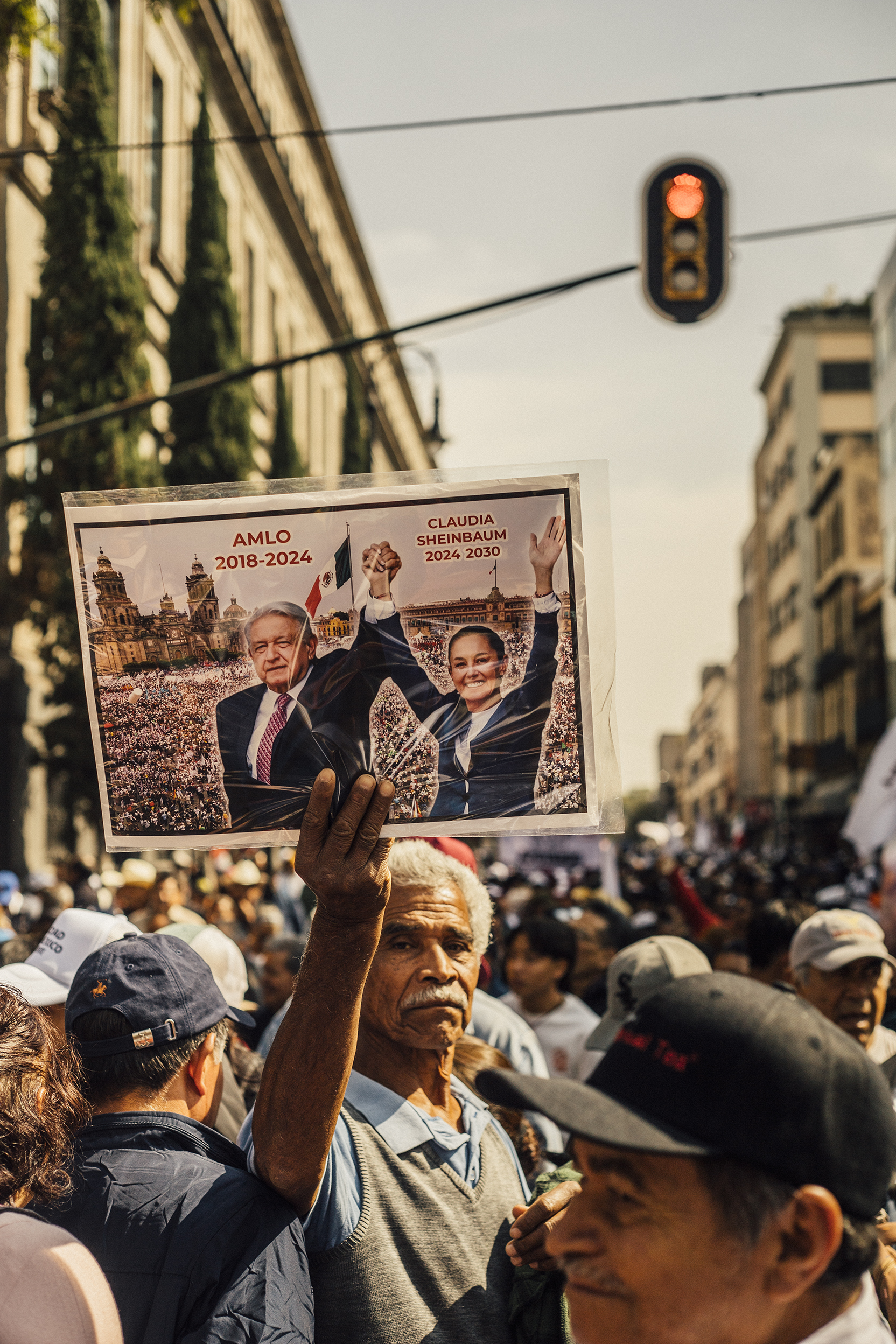
Mexico is not facing a power vacuum. Formal power exists. The government has legitimacy, a party, a majority, structure, programs, presence, and a narrative. The problem is that formal power is not enough.
Formal power appoints officials. Real power industrializes. Formal power signs treaties. Real power negotiates decision-making power. Formal power provides support. Real power rebuilds legal economies. Formal power announces programs. Real power articulates a plan. Formal power wins elections. Real power controls territories. Formal power changes leadership. Real power orchestrates coalitions. Formal power speaks of sovereignty. Real power produces it.
The country already knows how to produce for others. What it hasn’t achieved is generating its own power. Until it confronts this, the Second Floor will remain an administrator of a legacy, not an economic transformation
That’s the dilemma. AMLO carried out the political reform of this cycle. He changed the national conversation, rebuilt popular legitimacy, displaced the old elites from the symbolic center, and demonstrated that the State could intervene again. But the next phase had to go further. It had to rebuild the productive apparatus, revitalize the countryside, reorganize the energy sector, create an industrial and state elite, negotiate differently with the United States, and restore a real State presence to territories where crime fills the void.
That’s what some of us believed. Today, the question is no longer whether the Second Floor should be economic. That was clear. The question is whether the will and capacity to build it still exist. Appointments haven’t provided direction. Integration continues to produce dependency. Foreign investment hasn’t translated into national capabilities. Nearshoring functions more as a promise than a transformation. Agricultural policy hasn’t rebuilt the countryside. Energy policy risks turning strategic resources into a source of profit for foreign capital. Morena retains electoral power, but it hasn’t demonstrated that it can single-handedly guide the historical direction of the project.
The country already knows how to produce for others. What it hasn’t achieved is generating its own power. Until it confronts this, the Second Floor will remain an administrator of a legacy, not an economic transformation. Because economic transformation wasn’t an add-on. It was the true Second Floor.
José Romero was previously Director General of the Centro de Investigación y Docencia Económicas (CIDE), appointed by former President Andrés Manuel López Obrador. CIDE is a publicly-financed social sciences research center aiming to impact Mexico’s social, economic and political development.
-
Jáuregui’s Defense Demands That Mexico’s Attorney General Summon Governor Maru Campos to Say What She Knows About the CIA
His lawyer says all the evidence points to the late state investigations chief, and that Campos changed her version of what she knew on Latinus.
-
People’s Mañanera October 21
President Sheinbaum’s daily press conference, with comments on Pemex, fuel theft, Jalisco’s water crisis, missing persons, and the lie detector.
-
Jáuregui’s Arrest Does Not Close the CIA Case in Chihuahua; Morena Demands Broader Investigations
Morena leader Ariadna Montiel holds Governor Maru Campos politically responsible and says ex-prosecutor Guillermo Zuany must also face justice.