CNTE Announces National Strike on June 1st & Occupation of Mexico City’s Zócalo
This article by Pablo Rodríguez originally appeared in the May 17, 2026 edition of El Sol de México.
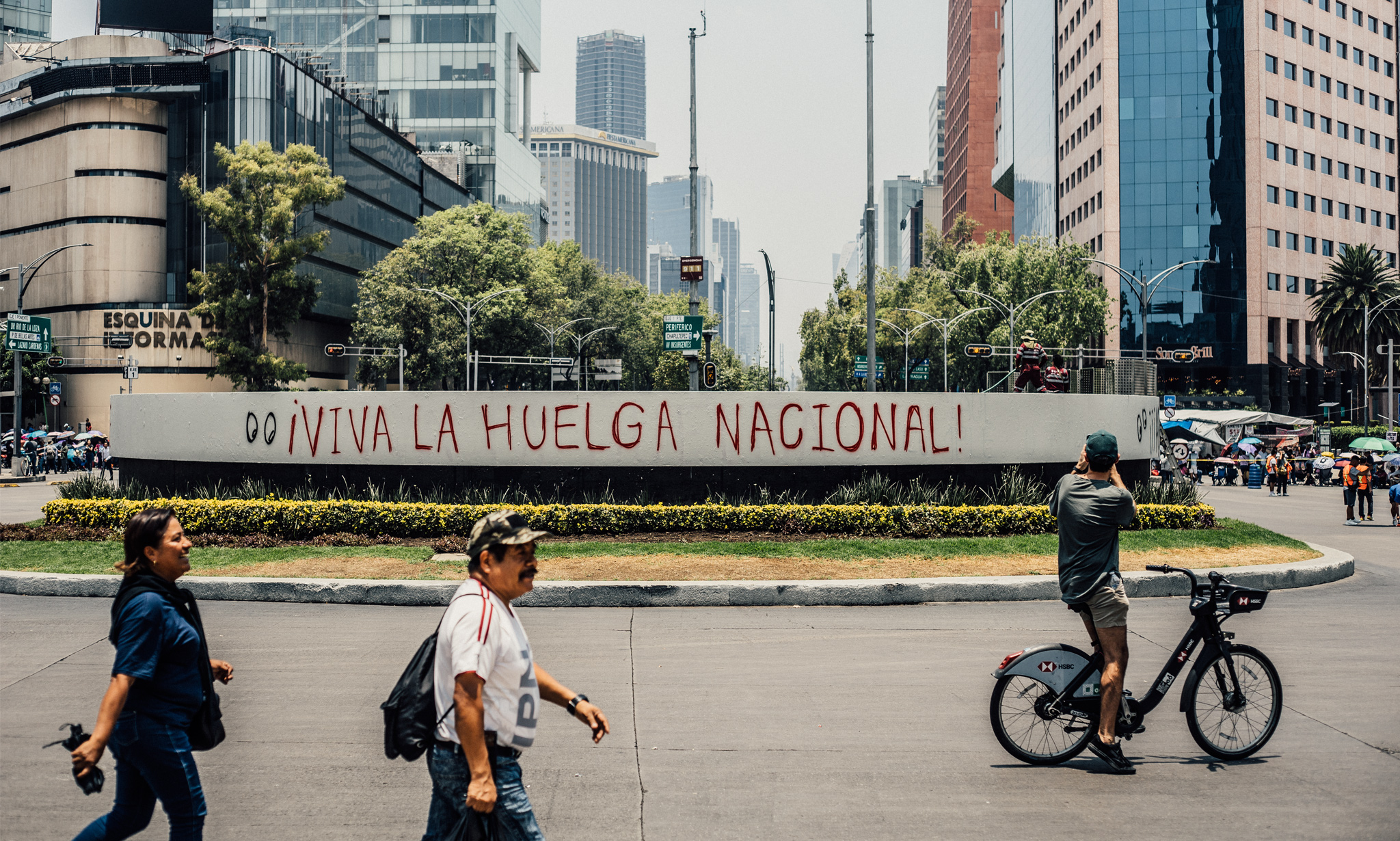
The National Coordinator of Education Workers (CNTE) agreed to begin a national strike on June 1st. The decision was made after a meeting that began on Saturday, May 16, and concluded in the early hours of Sunday at 1:59 a.m.
During a press conference held this Sunday, May 17, the general secretary of Section VII of Chiapas, Isael González Vázquez, stated that “the President of the Republic’s refusal to address our legitimate demands” led to the consensus to begin the national strike.
“The consensus reached is to launch the national strike on June 1, 2026. We will begin with a march from the Angel of Independence to the Zócalo, where the encampment will be set up,” he said.
According to the CNTE, the march will begin in Mexico City at 9:00 a.m.
The leader recalled that, among the main demands of the CNTE, are the modification of the 2007 reform to the ISSSTE Law and the elimination of the educational reform promoted during the government of Enrique Peña Nieto.
“We didn’t find open doors, we didn’t find answers, and that’s why the national strike is imminent,” said Isael González.
Furthermore, he indicated that the mobilization will take place in the days leading up to the start of the World Cup, seeking to raise international awareness of the conflict. “The eyes of the world will be on Mexico City, and there we will be, showing our discontent and fighting for justice,” he stated.
Meanwhile, representatives from various sections rejected the announcement made by the head of the Ministry of Public Education (SEP), Mario Delgado, regarding a nine percent salary increase.
The general secretary of Section IX of Mexico City, Pedro Hernández, asserted that the increase “is a trap,” explaining that the real increase to the base salary would only be four percent.
“We categorically say that these crumbs they throw to education workers are unacceptable, we reject them,” he declared.
He explained that for a basic position the increase means around 410 pesos every two weeks, a figure which he affirmed does not compensate for inflation or the loss of purchasing power.
“We will actually experience a loss in wages. There is no recovery of the purchasing power of education workers’ salaries,” he added.
The CNTE also insisted that the ISSSTE reform maintains a retirement system that forces workers to retire at age 65 and under the scheme of individual accounts managed by pension fund administrators.
“We demand a return to the intergenerational solidarity system, where female workers retire after 28 years of service and male workers after 30,” they stated.
-
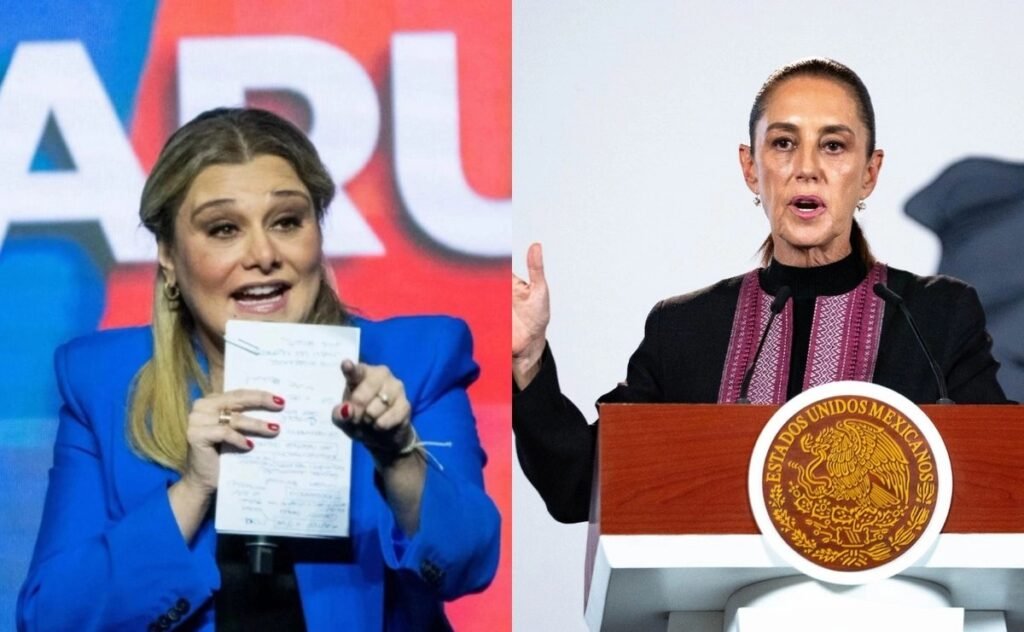
Sheinbaum Meets Privately with Maru Campos on Her Arrival in Ciudad Juárez
If any law was broken in the drug operation involving CIA agents in Chihuahua, those responsible, including state officials, must be prosecuted, the two agreed.
-
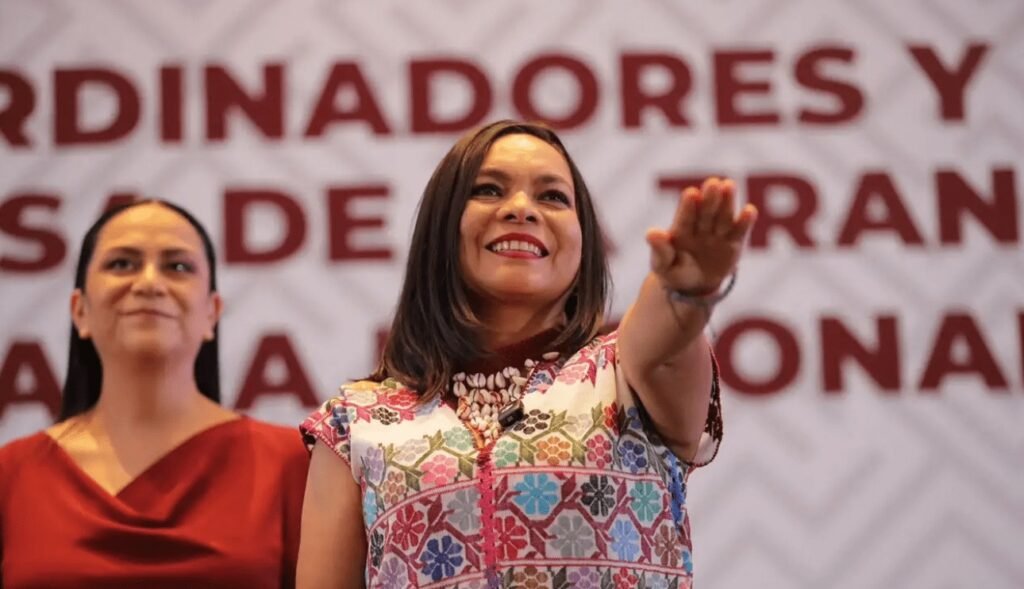
Beatriz Mojica: From Criticizing AMLO to Coordinating Morena in Guerrero
The senator on leave is Morena’s pick for governor of Guerrero in 2027, after a career that includes the PRD and her 2018 support for Ricardo Anaya.
-
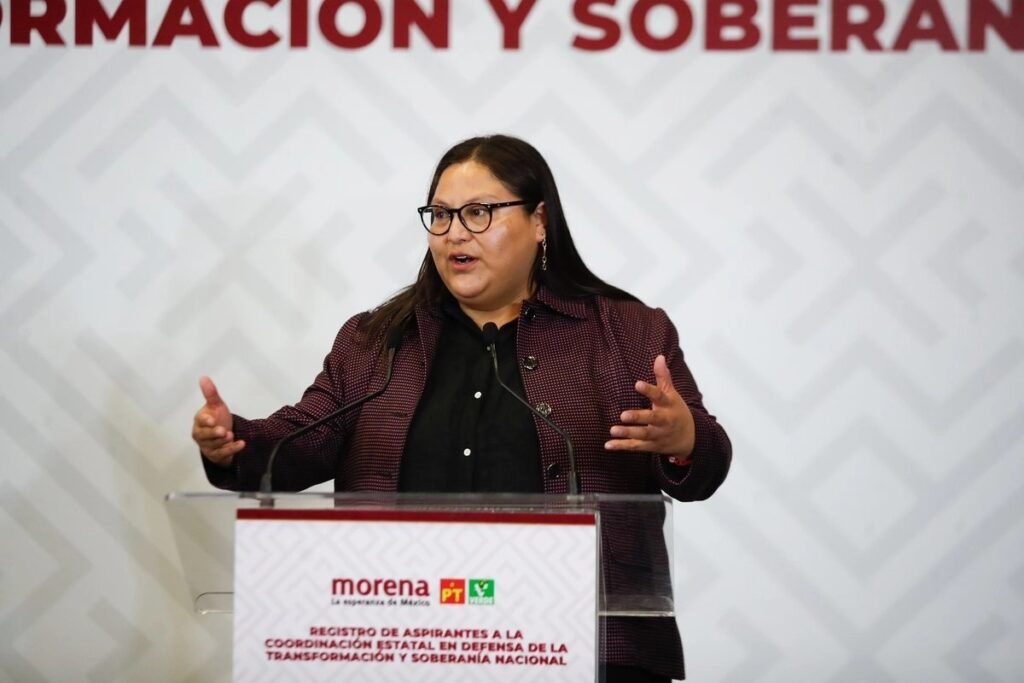
Morena’s Elections Commission Chief: Differences Are Natural to a Living Party
Amid criticism over the 10 chosen profiles, Citlalli Hernández, president of Morena’s National Elections Commission, defended the differences as natural to a living party.